Maximizing Fish Health: The Benefits of Onsite Oxygen Generators in Aquaculture

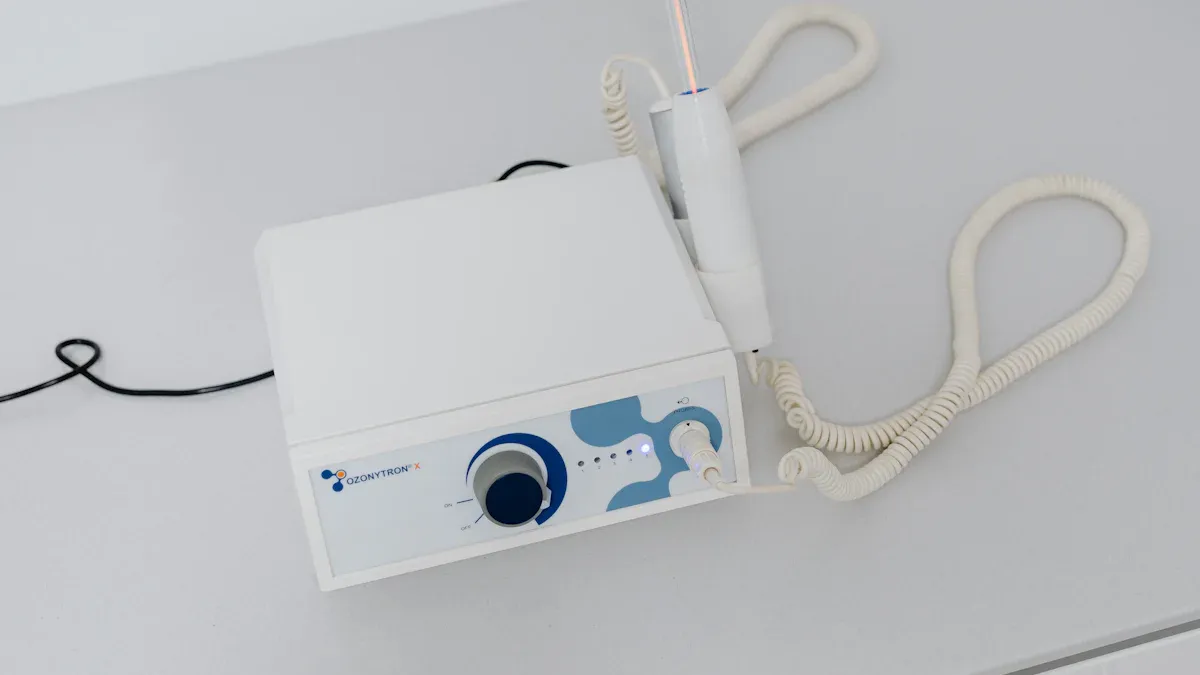
Oxygen is very important in aquaculture. It helps fish grow and stay healthy. If there isn’t enough oxygen, fish can have a hard time living well. You might see some problems with oxygen in your aquaculture systems. For instance, things like temperature and salinity can change how much oxygen is available. When oxygen levels are very low, fish can become tired. This makes it hard for them to eat and swim. Using onsite oxygen generators in aquaculture can help solve these problems. This technology provides a steady supply of oxygen. It improves fish health and productivity.
Key Takeaways
Fish need oxygen to stay healthy. It helps them grow and feel good.
Onsite oxygen generators give fish a constant supply of oxygen. This helps them grow faster and survive better.
Keeping the right amount of oxygen lowers stress in fish. This makes their immune systems stronger and reduces sickness.
It is important to take care of onsite oxygen generators. This ensures they work well and last longer.
Buying onsite oxygen generators can save money in the long run. This is better than using old ways to supply oxygen.
Importance of Oxygen in Aquaculture
Role in Metabolism
Oxygen is very important for fish metabolism. It helps fish use food for energy. When you have enough oxygen, fish can grow better and stay healthy.
Knowing how dissolved oxygen levels affect fish helps you decide how many fish to keep. For example, if you check oxygen levels, you can find the best times to feed them. This helps fish grow and makes less waste.
Here are some key points about oxygen's role in fish metabolism:
Optimal Feeding: More oxygen helps fish eat better.
Growth Rates: Fish grow quicker when there is plenty of oxygen.
Survival Rates: Enough oxygen helps young fish survive better.
Evidence Type | Description |
|---|---|
Metabolic Rate | How much oxygen is available affects how fish use oxygen, which impacts their metabolism. |
Standard Metabolic Rate (SMR) | This shows the lowest metabolic rate for survival when fish are resting. |
Maximum Metabolic Rate (MMR) | This shows oxygen use during high activity, with aerobic scope being the difference between MMR and SMR. |
Effects of Low Oxygen Levels
Low oxygen levels can harm fish health. When oxygen is too low, fish get stressed. This stress can cause changes that hurt their health.
For example, hypoxia means dissolved oxygen is below 2–3 mg O2 l−1. This can make fish use more energy. Fish may find it hard to stay balanced and can get sick over time.
Here are some effects of low oxygen levels:
Increased Aggression: Fish may act more aggressive due to stress, causing injuries.
Reduced Growth: Low oxygen can slow growth and make fish smaller.
Higher Mortality Rates: Being in low oxygen for too long can kill fish.
Physiological Change | Description |
|---|---|
Metabolic Rate | Fish had higher standard metabolic rates (SMR) in low-oxygen conditions than in normal conditions. |
Fish Condition | Fulton’s condition factor (K) was lowest after one month of low oxygen, showing worse health. |
Tolerance Improvement | Staying in low oxygen for a long time helped fish handle lower oxygen levels better. |
Benefits of Onsite Oxygen Generators
Improved Growth Rates
Onsite oxygen generators in aquaculture are very important for fish growth. They keep the right amount of dissolved oxygen. This helps reduce stress in fish. When fish are less stressed, they can use their energy to grow. This means they grow faster and stay healthier.
Research shows that onsite oxygen generators work better than old aeration methods. They give a steady supply of oxygen, which is key for fish health. Because of this, you can see better survival rates and more fish babies. The benefits of onsite oxygen generators are clear: they help produce more fish and healthier ones.
Here are some key advantages of improved growth rates with onsite oxygen generators:
Faster Growth: Fish grow quicker when oxygen levels are steady.
Higher Survival Rates: Good oxygen levels help fish stay healthy and live longer.
Better Feed Conversion: Fish use food better, which helps them grow more.
Enhanced Disease Resistance
Another big benefit of onsite oxygen generators is better disease resistance. Keeping the right oxygen levels improves water quality, which is very important for fish health. When fish live in water with enough oxygen, they get sick less often.
Here are some ways onsite oxygen generators help with disease resistance:
Reduced Stress: Less stress means fish have stronger immune systems.
Improved Water Quality: Enough oxygen helps break down waste, which lowers harmful germs.
Higher Growth Rates: Healthy fish are less likely to get sick, which means fewer deaths.
Studies show that using onsite oxygen generators can greatly lower fish death rates. Here are some noted reductions:
Keeping the right oxygen levels helps fish health and growth.
Less stress on fish leads to better growth and health.
Better water quality lowers the chance of disease.
Faster growth means more fish to harvest.
Enough oxygen can lower fish death rates.
By using onsite oxygen generators in aquaculture, you can make a healthier home for your fish. This technology not only helps them grow faster but also makes them less likely to get sick, leading to a more successful aquaculture business.
Successful Case Studies of Onsite Oxygen Generators
Example 1: Large Fish Farm in South America
A big fish farm in South America used onsite oxygen generators to improve their work. After they set them up, they saw a 20% increase in fish growth rates. The generators kept the right oxygen levels. This made the water clearer. Clear water helped the fish stay healthy. They watched the oxygen levels closely. This helped them keep the best conditions, which led to more fish.
Here are some key improvements observed:
Increased fish growth rates by 20%
Enhanced water clarity
Higher overall fish yield
Example 2: Coastal Aquaculture Operation
Another aquaculture operation by the coast started using onsite oxygen generators to see how they could save money. They got better productivity and lower feed costs. The steady source of oxygen helped them control the dissolved oxygen levels better. This control helped the fish gain weight and reduced death rates. Because of this, they needed less feed, which cut costs and raised profits.
Switching to onsite oxygen generators had some challenges. Workers had to manage the oxygen dosing carefully to keep the right balance for fish. They needed to check things often, and they had to handle safety risks from hydrogen sulfide (H2S).
Challenge Description | Details |
|---|---|
Requires careful monitoring to balance biological activity. | |
Manual Intervention | Regular manual intervention is necessary instead of relying on automation. |
Safety Risks from H2S | The presence of hydrogen sulfide poses safety risks that need management. |
These case studies show the big benefits of onsite oxygen generators in aquaculture. By making fish healthier and improving efficiency, these systems can help make aquaculture more successful.
Practical Considerations for Implementation
Installation and Maintenance
Setting up onsite oxygen generators needs careful planning. First, check what your aquaculture system needs before you install them. Placing the generators correctly helps spread oxygen well. You must also keep up with regular maintenance to make sure the generators work well. Here are some maintenance tasks to think about:
Daily Maintenance:
Clean the outside.
Listen for strange noises.
Check alarms and lights.
Weekly Maintenance:
Look at and clean the air intake filter.
Check wires and connections.
Sanitize the outside surfaces.
Monthly Maintenance:
Check cabinet filters.
Look at tubing for damage.
Clean the humidifier bottle.
Quarterly Maintenance:
Check internal parts.
Annual Maintenance:
Have a technician check the compressor.
To help you keep track of these tasks, here’s a table that shows the maintenance schedule:
Maintenance Task | Frequency |
|---|---|
Routine inspections | Regularly |
Preventive maintenance checks | Every six months |
Change carbon filters | Once a year |
Change coalescing filters | Every six months |
Change particulate filters | Every three months |
Replace analyzer sensor | Annually |
Valve maintenance | Every three years |
General system check | Every six months |
Cost-Benefit Analysis
When thinking about onsite oxygen generators, you should look at the costs compared to old oxygen supply methods. The running costs of onsite generators are much lower. They can pay for themselves in about 6 to 18 months after you buy them. On the other hand, refilling oxygen cylinders can cost a lot each year.
Over five years, using oxygen concentrators costs about $434,032. This includes $202,340 for buying them and $231,692 for running costs. Traditional methods, however, cost $793,004 in total during the same time. This shows that onsite oxygen generators are cheaper than just using oxygen cylinders.
By choosing onsite oxygen generators, you not only help fish health but also make your operation more sustainable. These systems lower running costs and give a steady oxygen supply, helping your fish thrive in the best conditions.
In conclusion, keeping oxygen levels right is very important for fish health and aquaculture success. Onsite oxygen generators give a steady supply of oxygen, which brings many benefits:
More fish babies survive.
Fewer fish die.
You should think about using these systems in your work. They help keep the best oxygen levels and also help make aquaculture better for the environment. By choosing onsite oxygen generators, you can make a healthier home for your fish and boost your overall success. 🌊🐟
FAQ
What are onsite oxygen generators?
Onsite oxygen generators make oxygen right at your fish farm. They remove the need for oxygen tanks and give a steady supply of oxygen to your fish.
How do onsite oxygen generators improve fish health?
These generators keep the right oxygen levels, which helps fish feel less stressed. Healthy fish grow faster and fight off diseases better, which means more fish survive.
Are onsite oxygen generators expensive to operate?
The first cost may seem high, but onsite oxygen generators save money over time. They cut down on the need for oxygen tanks and can pay for themselves in 6 to 18 months.
How often should I maintain onsite oxygen generators?
You need to do daily, weekly, monthly, and yearly maintenance tasks. Regular checks help the generators work well and safely.
Can I install onsite oxygen generators myself?
You can install them by yourself, but getting help from a professional is a good idea. Proper installation makes sure oxygen spreads well and the system works right.