Choosing the Right Parchment Paper for Your Baking Needs

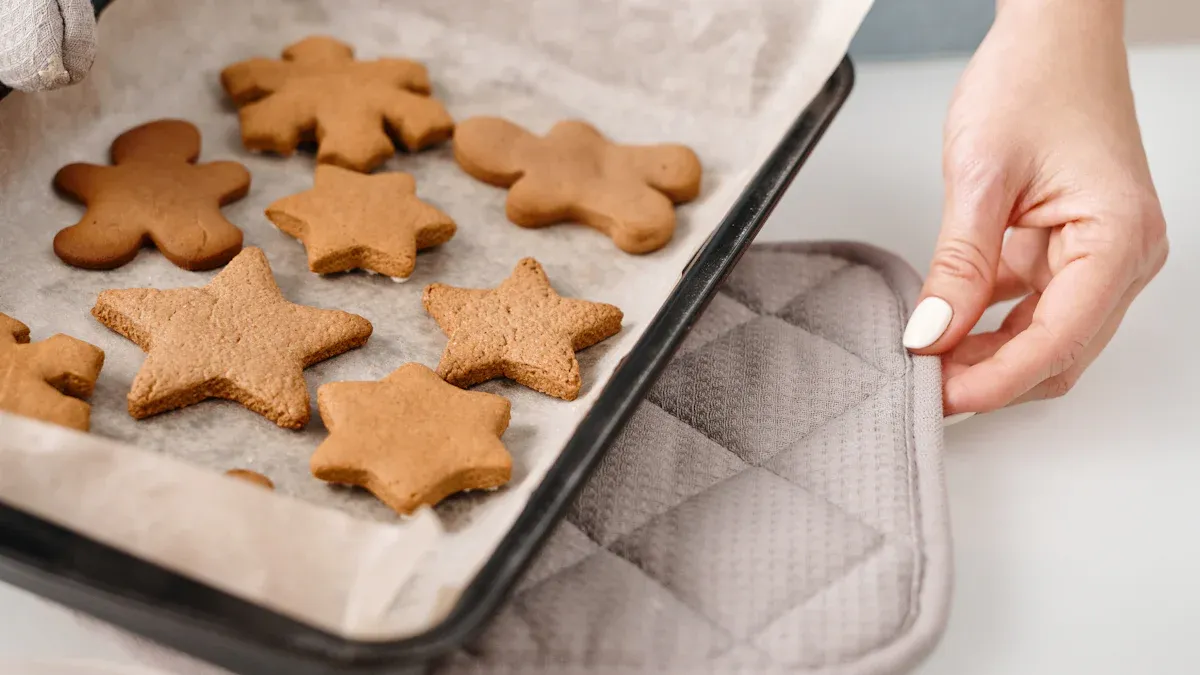
Have you ever been in the baking aisle? You might see many kinds of parchment paper and baking paper. Picking the right one can be hard. Each type, like bleached or unbleached parchment paper, has its use. Choosing the right parchment paper and baking paper can change your baking results a lot. So, it’s important to learn about your choices.
Key Takeaways
Pick parchment paper for baking at high heat. It can take temperatures up to 450°F (232°C) without burning.
Baking paper is good for many uses like roasting and crafting. It can handle heat up to 446°F (230°C) and is often biodegradable.
Search for eco-friendly choices like unbleached parchment paper. These options are better for the planet and help support sustainable practices.
Baking Parchment Defined
Baking parchment is a special paper for the oven. It is mainly made from cellulose, which comes from plants. This makes it strong and long-lasting. To make it work better, baking parchment often has a silicone coating. This coating is safe for food. It makes the paper non-stick and can handle heat. You can bake at high temperatures without worrying about bad chemicals getting into your food.
Composition and Features
The features of baking parchment make it popular with bakers. Here are some important points to know:
Non-Stick Surface: The silicone coating stops food from sticking. This makes it easy to take baked goods off.
Heat Resistance: It can handle high heat, usually up to 450°F (232°C), without burning or falling apart.
Versatility: You can use it for many baking tasks, like lining pans or wrapping food.
Common Uses
Baking parchment is very useful. Here are some common uses that bakers love:
Cookies, biscuits, and scones: It stops sticking and makes cleanup easier.
Cakes: It helps cakes come out of the pan perfectly.
Brownies, bars, and breads: It makes it easy to take them out of deeper pans.
Using baking parchment can really help your baking. It helps you get better results and saves time on cleaning. So, when you’re in the baking aisle, remember that picking the right parchment paper and baking paper can change your kitchen experience!
Baking Paper Explained
Baking paper is an important tool in your kitchen. People often mix it up with baking parchment, but they are different. Baking paper is made from greaseproof paper and has a silicone coating on both sides. This coating makes it non-stick and helps it handle heat up to 446°F (230°C). It resists grease and keeps moisture well, which is great for many baking tasks.
Composition and Features
Here are some key features of baking paper that you should know:
Silicone Coating: This coating makes baking paper non-stick. It helps you take baked goods off easily.
Heat Resistance: It can handle high temperatures, which is important for baking.
Biodegradable: Unlike some parchment papers, baking paper breaks down naturally. This makes it a better choice for the environment.
Common Uses
Baking paper is flexible and can be used in many ways. Here are some popular uses:
Roasting Vegetables: Line your baking sheet to stop sticking and make cleanup easy.
Creating Pouches for Delicate Fish: This method keeps moisture and flavor while cooking.
Crafting Decorative Elements: Use it for food presentations to add style.
Using baking paper can improve your baking experience. It makes things easier and helps you get better results. So, when you’re in the baking aisle, remember the differences between parchment paper and baking paper. Each has its own benefits, and knowing them can really help in your kitchen adventures!
Parchment Paper and Baking Paper: Key Differences
When you bake, knowing the differences between parchment paper and baking paper can really change your results. Let’s look at two important things: heat resistance and non-stick features.
Heat Resistance
Both types of paper have different heat limits, which is important for safe baking. Here’s what you should know:
Parchment Paper: This kind can handle heat up to 420°F to 450°F (215–232°C). It’s made for high-heat baking, but be careful! It can catch fire if it touches flames or is on the oven bottom. So, keep it away from direct heat.
Baking Paper: The highest temperature for baking paper isn’t always clear, but it’s usually higher than parchment paper. This means it can also take high heat, but check the package for details.
Tip: Always follow the manufacturer's instructions for both papers to stay safe and bake well.
Non-Stick Properties
The non-stick features of parchment paper and baking paper are important for easy baking and cleaning. Here’s how they compare:
Parchment Paper: With its silicone coating, parchment paper has great non-stick abilities. Your cookies, cakes, and other treats will come off easily. It’s strong enough for many baking uses, so you can reuse it several times without losing its quality.
Baking Paper: Baking paper also has a non-stick surface, but it usually isn’t as durable as parchment paper. It’s often uncoated, which means it might not last as long with repeated use. If you want something that can handle many baking sessions, parchment paper is better.
Here’s a quick comparison to sum it up:
Feature | Parchment Paper | Baking Paper (assumed similar) |
|---|---|---|
Coating | Silicone coating for non-stick | Usually uncoated |
Heat Resistance | Varies, often lower | |
Durability | Made for many baking uses | Generally less durable |
Reusability | High, good for repeated use | Limited reusability |
Knowing these differences can help you pick the right paper for your baking. Whether you choose parchment paper or baking paper, understanding their heat limits and non-stick features will help you bake better.
Ecological Considerations
When you think about baking, you might not think about how your parchment paper affects the environment. But knowing about the types of parchment paper can help you make better choices for the planet.
Types of Parchment Paper
Here’s a quick look at the main types of parchment paper and how they affect the environment:
Type | Disposal Method | |
|---|---|---|
Brown Parchment | Made from unbleached wood pulp, less harmful | Biodegradable, compostable |
White Parchment | Made from bleached wood pulp, more harmful | Hard to recycle because of silicone coating |
Brown parchment paper is usually better for the environment. It breaks down naturally and can be composted easily. White parchment paper works well but is harder to throw away safely.
Sustainable Options
If you want to bake without harming the earth, think about using sustainable parchment paper. Look for products with certifications like FSC (Forest Stewardship Council). Here’s what to remember:
Feature | Details |
|---|---|
Certification | |
Material | Unbleached, chlorine-free paper |
Coating | Non-toxic silicone |
Temperature Resistance | Safe for microwave and oven (up to 428℉) |
Size | 70 sq ft (13” x 65’) |
Ideal Uses | Baking, reheating, roasting |
Choosing certified compostable parchment paper helps reduce harm to the environment and supports composting. Greaseproof paper is another good choice. It breaks down well and helps cut down on plastic waste. By picking these eco-friendly options, you can enjoy baking while helping the planet! 🌍
Choosing the Right Paper for Baking
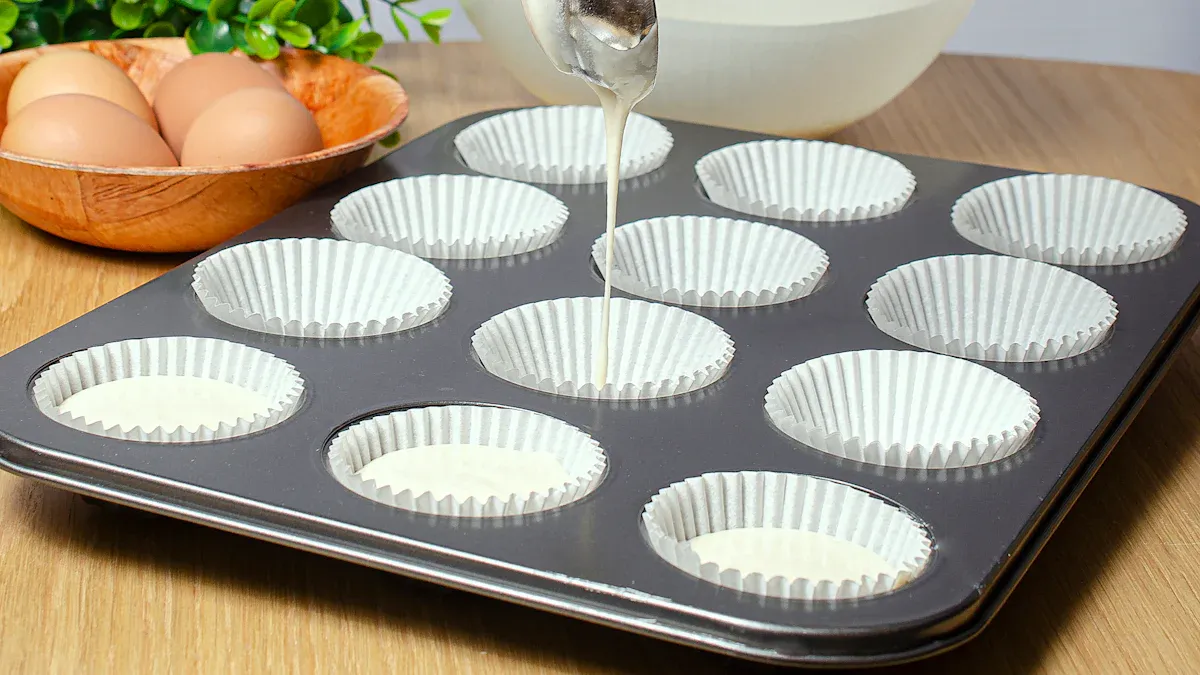
When you are in the baking aisle, you may wonder how to pick the best parchment paper for your needs. It’s not just about grabbing the first roll you see. You should think about quality, cost, and how well it works for your baking tasks. Let’s break it down.
Assessing Quality
Quality is important when it comes to parchment paper. Here are some key points to help you find what’s best for your baking:
Heat Resistance: Look for parchment paper that can handle temperatures up to 450°F (232°C). This makes sure it won’t burn or catch fire while you bake.
Non-Stick Coating: A good silicone coating on both sides is important. This feature helps stop your baked goods from sticking, making cleanup easy.
Thickness and Durability: Thicker papers, usually between 40-60 GSM, are stronger. They are less likely to tear when you use them.
Moisture and Grease Resistance: Good parchment paper should resist moisture and grease. This keeps your food quality high and stops sogginess.
Eco-Friendliness: If you care about the environment, look for unbleached, biodegradable, and compostable options. These choices are better for the planet.
Cost vs. Performance
Now, let’s talk about cost. You might think that cheaper parchment paper is a good deal, but it’s important to balance cost with performance. Here’s what to remember:
Premium Brands: Brands like Reynolds and If You Care often offer better heat resistance and non-stick features. While they may cost a bit more, they usually work better, which is important for home bakers and professional kitchens.
User Satisfaction: Many people prefer brands that focus on being eco-friendly. For example, If You Care is known for its green products, which appeal to those who want to make smart choices.
Reliability: Premium brands usually give better results. If you are serious about baking, spending on quality parchment paper can save you time and trouble later.
When thinking about your budget, remember that high-quality parchment paper can really change your baking experience. For example, Baker’s Signature Parchment Paper has a strong, non-stick surface that makes baking and cleanup easy. It can handle high temperatures without curling or burning, giving you consistent results.
On the other hand, Frieling's High-Quality Parchment Paper is made with great non-stick features. It’s coated with safe silicone on both sides, making it safe and easy to use. Plus, it can be reused, giving bakers a practical and cost-effective choice.
Picking the best parchment paper or baking paper can really help your baking. Keep these important points in mind:
Parchment paper works well for gentle tasks but might burn at high heat.
Baking paper can handle more heat, so it’s better for tough cooking.
Think about using eco-friendly choices too. Choosing papers without bleach helps the environment and supports green brands. Your choices are important, so choose carefully! 🌱
FAQ
What is the difference between bleached and unbleached parchment paper?
Bleached parchment paper is white and uses chemicals. Unbleached is brown and better for the environment, made without harmful stuff.
Can I reuse parchment paper?
Yes! You can reuse parchment paper for similar baking jobs, as long as it stays clean and whole after use.
Is parchment paper safe for microwave use?
Yes! Parchment paper is safe in the microwave, making it good for steaming or reheating food. Just keep it away from flames.