Comparing Leading Nitrogen Gas Generator Suppliers

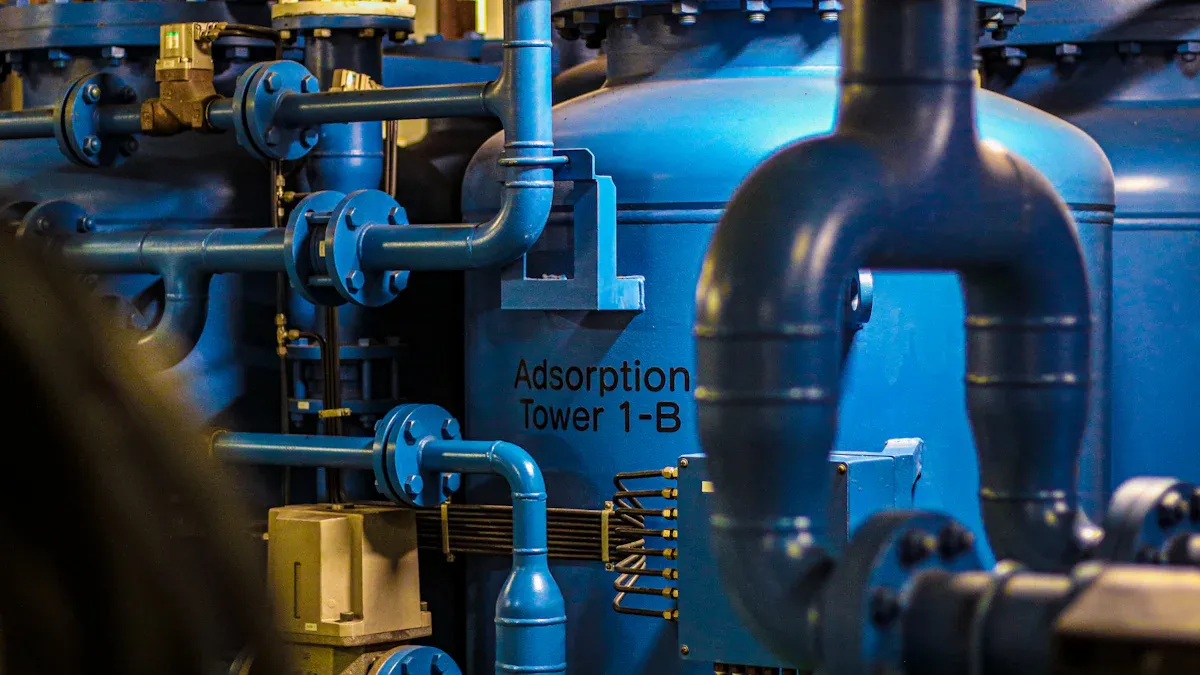
Choosing the best nitrogen gas generator supplier is very important for your work. Many things can affect your choice. Think about things like how pure the nitrogen needs to be, how much you need, and the pressure required. The dryness of the gas matters too. Weather conditions and how well the supplier communicates are also important. Plus, you should think about costs and what technology the supplier has. Comparing different options helps you find a supplier that fits your needs.
Key Takeaways
Picking the right nitrogen gas generator supplier is very important. Think about things like purity, flow rates, and costs to find what works best for you.
Different technologies, like PSA, membrane, and cryogenic, have special benefits. Learn about these choices to pick the best generator for your needs.
Performance is important. Check purity levels and flow rates to make sure the generator fits your needs.
Cost efficiency is important too. Compare starting costs and operating costs to see the long-term value of your nitrogen gas generator.
Good customer support and maintenance options can make your experience better. Search for suppliers that provide training, warranties, and dependable service agreements.
Technology Types
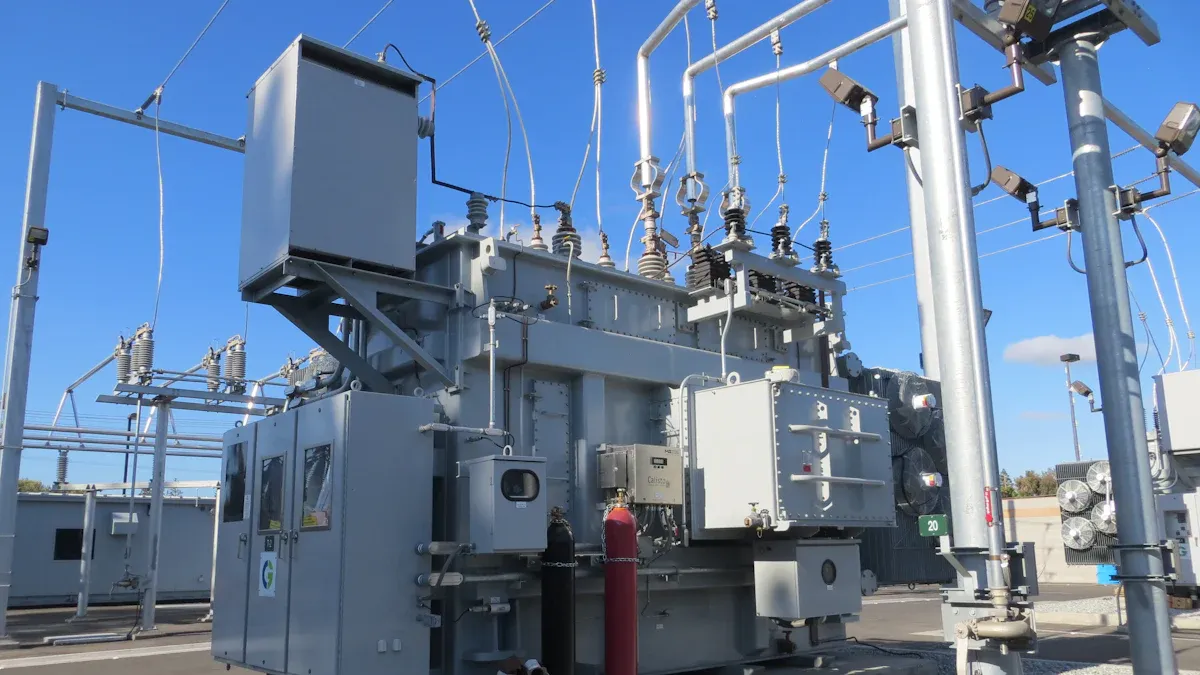
When you pick a nitrogen gas generator supplier, knowing the different technologies is very important. Each type has its own way of working and benefits.
PSA Technology
Pressure Swing Adsorption (PSA) technology is a common way to make nitrogen. In PSA systems, air goes through a bed filled with Carbon Molecular Sieve (CMS). This process traps oxygen and other unwanted gases. Then, nitrogen can be collected. PSA systems have many benefits:
Fast Startup: You can make nitrogen quickly for urgent needs.
Cost-Effective: It costs less to start than other methods.
Versatile Applications: Good for industries like electronics and food storage.
Membrane Technology
Membrane technology uses a special membrane to separate nitrogen from air. As air moves through the membrane, smaller oxygen molecules go through, while nitrogen stays on the other side. This method has its own benefits:
Simple Design: The system is easy to use and care for.
Compact Size: Membrane generators take up less space, good for small places.
Quick Response: You can change production levels fast, which helps with changing needs.
Membrane systems are often used in food and drink, aerospace, and car industries, where lower purity is okay.
Cryogenic Technology
Cryogenic technology cools air to very low temperatures to separate nitrogen from other gases. This method works well for making high-purity nitrogen but has some downsides:
Complex Equipment: The setup needs advanced machines.
High Energy Consumption: It can cost a lot to run because of energy use.
Cryogenic systems are usually found in industries like petrochemicals and steel, where they need a lot of high-purity nitrogen.
Technology Type | Operational Principle | Suitable Applications |
|---|---|---|
Cryogenic Air Separation | Complex equipment, high energy use, good for large amounts of high-purity nitrogen | Petrochemicals, Steel |
PSA | Fast startup, low costs, good for small to medium applications | Electronics manufacturing, Food storage |
Membrane Separation | Quick response, simple design, good for lower purity needs | Oilfield nitrogen injection, Laser cutting |
Knowing these technologies helps you choose a nitrogen gas generator supplier that fits your needs.
Performance

When you look at nitrogen gas generator suppliers, performance is very important. You need to make sure the system fits your needs. Key performance points include purity levels, flow rates, and operating conditions.
Purity Levels
Purity levels show how clean the nitrogen gas is. Different industries need different purity levels. Here’s a table with common nitrogen purity levels from top suppliers:
Industry | Typical Nitrogen Purity Levels |
|---|---|
Heat Treating | 99.9% to 99.999% |
Laser Cutting | 97% to 99.995%+ |
Food and Beverage | 99% to 99.9% |
Pharmaceutical | 97% to 99.999% |
Oil and Gas | 95% to 99% |
Power Generation | 95% to 99.9% |
Electronics Manufacturing | 99.9% to 99.999% |
Knowing these purity levels helps you pick the right nitrogen gas generator supplier for your needs. Higher purity levels usually cost more, so think about what you really need.
Flow Rates
Flow rates show how much nitrogen gas a generator can make over time. This is usually measured in cubic feet per minute (CFM) or cubic feet per hour (CFH). The flow rate is important because it tells you if the system can meet your nitrogen needs.
The flow rate changes based on the purity level needed. Higher purity usually means lower flow rates. For example, if you need very pure nitrogen for electronics, the flow rate might be lower than for a system making less pure nitrogen for food packaging.
Different types of nitrogen generators, like Pressure Swing Adsorption (PSA) and membrane systems, also change flow rates. Each supplier may have different maximum and minimum flow rates based on these things. So, you should compare suppliers to find one that fits your flow rate needs.
Operating Conditions
Operating conditions are about the environment where the nitrogen gas generator works. Things like temperature, humidity, and pressure can affect performance. You want a system that works well in your specific conditions.
Top nitrogen gas generator suppliers make sure nitrogen supply is reliable and steady in several ways:
Continuous, on-demand nitrogen gas supply means you won’t run out during important tasks.
Remote monitoring helps with maintenance and keeps supply steady.
Purity and flow rates can be adjusted for different uses, giving you flexibility.
Full control over nitrogen supply allows for real-time checks and changes to purity levels.
By knowing these performance points, you can choose a nitrogen gas generator supplier that meets your needs.
Cost Efficiency
Cost efficiency is very important when choosing a nitrogen gas generator supplier. You want to make sure your money gives you good returns over time. This part will look at the starting cost, running costs, and long-term value of nitrogen gas generators.
Initial Investment
The starting cost for a nitrogen gas generator depends on the type and size of the system. Here’s a list of price ranges for different generator types:
Type of Generator | Price Range |
|---|---|
Small Flow Nitrogen | $3,000 - $10,000 |
Mid Flow Nitrogen | $10,000 - $50,000 |
Large Flow Nitrogen | $50,000 - $100,000+ |
When you think about these costs, consider what you need. A small flow generator might be enough for low-demand jobs. Bigger operations may need a mid or large flow system.
Operating Costs
Running costs are another important factor. These costs can change a lot between suppliers. Here’s a look at running costs for different nitrogen gas generation options over three years:
Supplier | Year 1 Cost | Year 2 Cost | Year 3 Cost | Total Cost |
|---|---|---|---|---|
Peak Scientific Gas Generator | - | - | $218,351 | |
Traditional Cylinder Delivery | $516,310 | $516,310 | $516,310 | $1,589,099 |
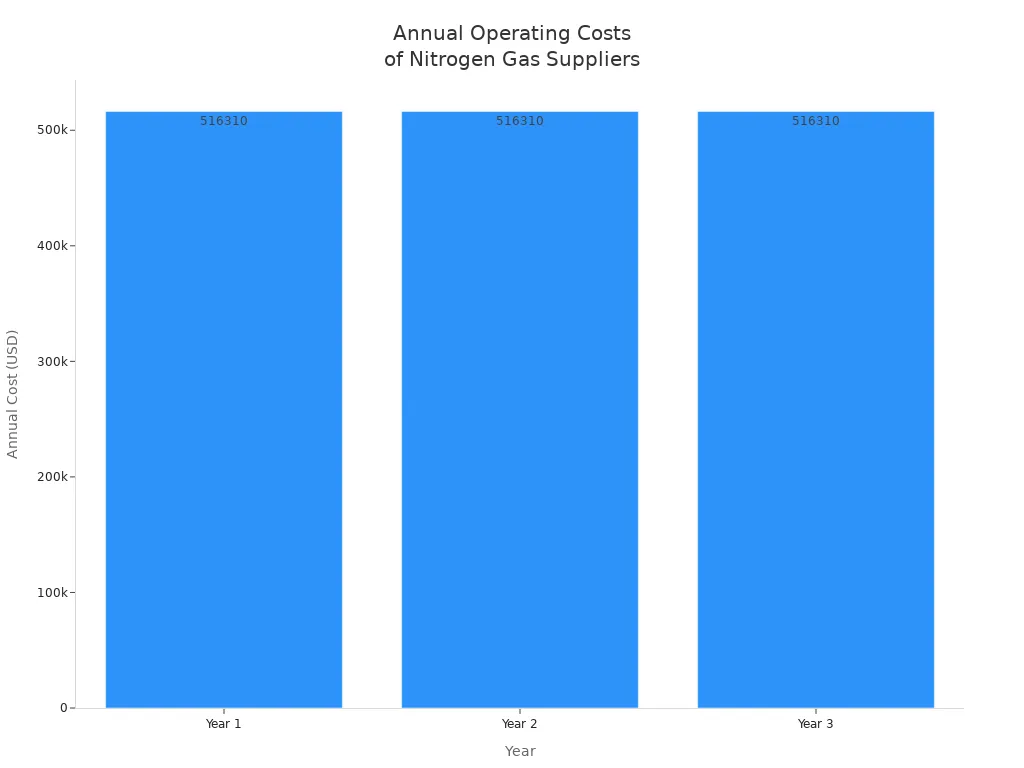
As you can see, the running costs for traditional cylinder delivery are much higher than those of a nitrogen gas generator. This shows the money-saving benefits of getting a generator.
Long-term Value
Long-term value is key to understanding how cost-effective your investment is. Here are some important points to think about:
Regular maintenance can help nitrogen gas generators last longer. This means fewer replacements and less downtime.
Better operations can lower costs and improve efficiency. For example, a small electronics maker cut operational costs by 15% by optimizing flow rate and pressure.
The usual payback time for nitrogen gas generators is between 12 to 24 months. How much you use and energy prices can affect this time. Some users say their payback time is as short as 12 to 14 months.
By looking at these points, you can decide which nitrogen gas generator supplier gives you the best long-term value for your needs.
Efficiency Ratings
When you look at nitrogen gas generators, efficiency ratings are very important. You need to know how much energy the systems use, how well they recover nitrogen, and how they affect the environment.
Energy Consumption
Energy use is different for each type of nitrogen gas generator. Here’s a quick look at the average energy use rates:
Generator Type | Energy Consumption Rate |
|---|---|
PSA | Higher energy usage |
Membrane | Lower energy usage |
PSA systems use more energy, especially when cycling and regenerating.
Bigger PSA setups can be more energy efficient.
Membrane systems use low-pressure air all the time, which means they use less energy.
Choosing a generator that uses less energy can help lower your costs.
Recovery Rates
Recovery rates show how well a nitrogen gas generator turns air into nitrogen. Higher recovery rates mean better use of resources. For example, PSA systems usually have recovery rates from 80% to 95%. Membrane systems can have rates between 50% and 90%. Knowing these rates helps you pick a generator that gives you more output and less waste.
Environmental Impact
The environmental impact of nitrogen gas generators is also important. Here are some key points:
Nitrogen gas generators have a much smaller carbon footprint than traditional methods like nitrogen cylinders.
PSA and membrane technologies help cut down energy use and waste.
Making nitrogen on-site means less transportation, which lowers carbon emissions.
These systems need less energy to run than what is needed to fill nitrogen cylinders.
They create little waste and can often be reused.
By choosing a nitrogen gas generator, you help make operations more sustainable. Many suppliers, like GENERON®, focus on new solutions that follow environmental rules. They help industries like food processing and pharmaceuticals lower their carbon footprint while providing reliable nitrogen.
Understanding efficiency ratings helps you make smart choices about your nitrogen gas generator supplier. Focus on energy use, recovery rates, and environmental impact to find the best option for your needs.
Maintenance Needs
Taking care of your nitrogen gas generator is very important. It helps the system work well and last longer. Regular maintenance keeps everything running smoothly and lowers the chance of sudden problems. Here’s what you should know about regular maintenance, spare parts, and service agreements.
Routine Maintenance
Routine maintenance changes depending on the type of nitrogen gas generator you have. Here’s a simple schedule for different systems:
Daily Maintenance of PSA Nitrogen Generators:
Check the drain valve and air holes.
Clean heat exchangers.
Look at filter drain valves.
Make sure exhaust ports are clear.
Air Compressor Maintenance:
Clean the nitrogen generator.
Open the water drain valve every day.
Check oil levels daily.
Clean or change air filters every 150 days.
Check belt tightness and screws each month.
Change lubricating oil every 1,000 hours.
Maintenance of High-Efficiency Oil Separators:
Manually drain every 8 hours.
Check electronic drainers.
Change filter elements every 6,000 hours.
Maintenance of Refrigerant Dryers:
Manually drain every 8 hours.
Clean condenser fins each week.
Maintenance of Electrical Systems:
Regularly check connections.
Remove dust from electrical boxes.
Doing these maintenance tasks helps keep your nitrogen gas generator working well.
Spare Parts Availability
Having spare parts ready can really help your generator stay up and running. Here’s what some top suppliers offer:
Peak Scientific has high-performance nitrogen gas generators with different flow rates. They provide great support, including warranty registration and remote help to reduce downtime.
Specialty Gas keeps a local stock of common parts in Ontario. They can quickly send rare parts from the UK or U.S. to cut downtime. For important jobs, they suggest using OEM parts to keep gas purity and system reliability.
Service Agreements
Service agreements can give you peace of mind and make sure your nitrogen gas generator gets the care it needs. Here’s a look at common service plans:
Service Plan | Key Features |
|---|---|
Basic - Annual PM Plan | On-site visits, call-out, labor & travel, service parts, system health check, compressor servicing. |
5 Year Managed Protection Plan | Full and hybrid protection plans with breakdown coverage and on-site visits over five years. |
Hybrid Protection Plan | Annual maintenance visit, extra visit coverage, parts discount, guaranteed response time. |
Comprehensive Protection Plan | Full breakdown coverage, all parts & labor covered, guaranteed response time. |
Choosing the right service agreement can lower your total cost of ownership (TCO) and ensure reliable supply with vendor support for maintenance. By understanding these maintenance needs, you can keep your nitrogen gas generator in top shape and avoid costly interruptions.
Customer Support
When you choose a nitrogen gas generator supplier, think about their customer support. Good support can really improve your experience and happiness.
Technical Support
Technical support is very important for keeping your nitrogen gas generator working well. Top suppliers offer many services to help your system run smoothly. Here’s a list of common technical support services:
Service Type | Description |
|---|---|
System Evaluation | Free check to find the right nitrogen generation system quickly and easily. |
Monitoring and Analysis | Collecting data before sale and checking remotely after installation to fix problems fast. |
Technical Service / Support | Quick answers to calls and help to stop issues before they happen. |
Genuine Parts | Using real parts to keep things running well and reduce downtime. |
Service Agreements | Affordable service plans for customers who need help on-site. |
This support helps you avoid downtime and keeps your operations running smoothly.
Warranty Options
Warranties are different for nitrogen gas generator suppliers. A good warranty can protect your investment and give you peace of mind. Here’s a comparison of warranty options from some major suppliers:
Supplier | Warranty Details |
|---|---|
Ingersoll Rand | Standard extended warranty: 30 months from shipment and/or 24 months from start-up |
Peak Scientific | 12 month complete on-site warranty |
Knowing these options helps you pick a supplier that gives you the best protection for your needs.
User Training
Proper training makes sure you and your team can use the nitrogen gas generator well. Many suppliers have training programs just for you. Here’s a look at some training options:
Supplier | Training Type | Location Options |
|---|---|---|
On Site Gas Systems | N2/O2 Generator Training | Home office, plant, or remote location |
South-Tek Systems | Low Pressure Mission Training | In-house, virtual, or on-site training |
Training programs help you get the most out of your nitrogen gas generator and lower the chance of mistakes.
By looking at customer support, warranty options, and user training, you can make a smart choice when picking a nitrogen gas generator supplier.
In conclusion, picking the best nitrogen gas generator supplier needs careful thought about many things. You should focus on technology types, how well they perform, and how much they cost. The nitrogen generator market is growing because of the need for sustainability and lower CO2 emissions. Major companies are improving their products, like Carburos Metálicos' mini generators that provide high-purity nitrogen.
Manufacturing Sector | |
|---|---|
Food and Beverage | 98-99.5% |
Electronics & Semiconductor | 99.99-99.999% |
Plastics Manufacturing | 95-99.5% |
Metalworking | 95-99% |
Power Generation | 95-99.6% |
Think about your specific needs, like starting costs, running costs, maintenance help, and the supplier's reputation. Avoid common mistakes, such as choosing the wrong system size or ignoring maintenance needs. By looking at these factors, you can make a smart choice that fits your needs.
FAQ
What is a nitrogen gas generator?
A nitrogen gas generator makes nitrogen gas from the air around us. It uses methods like PSA, membrane, or cryogenic to separate nitrogen from oxygen and other gases.
How do I choose the right nitrogen gas generator?
Think about what you need, like how pure the nitrogen should be, how much you need, and the conditions it will work in. Look at different suppliers based on their technology, performance, and costs.
What maintenance do nitrogen gas generators require?
Regular maintenance means checking filters, cleaning parts, and watching how the system works. Follow the manufacturer's instructions for specific maintenance times.
Can I customize my nitrogen gas generator?
Yes, many suppliers let you customize your generator. You can change flow rates, purity levels, and system setups to fit your specific needs.
What are the benefits of using a nitrogen gas generator?
Using a nitrogen gas generator gives you nitrogen when you need it, costs less than cylinder delivery, and helps the environment by reducing transportation emissions.