The Evolution of Nitrogen Generation Systems and What Lies Ahead

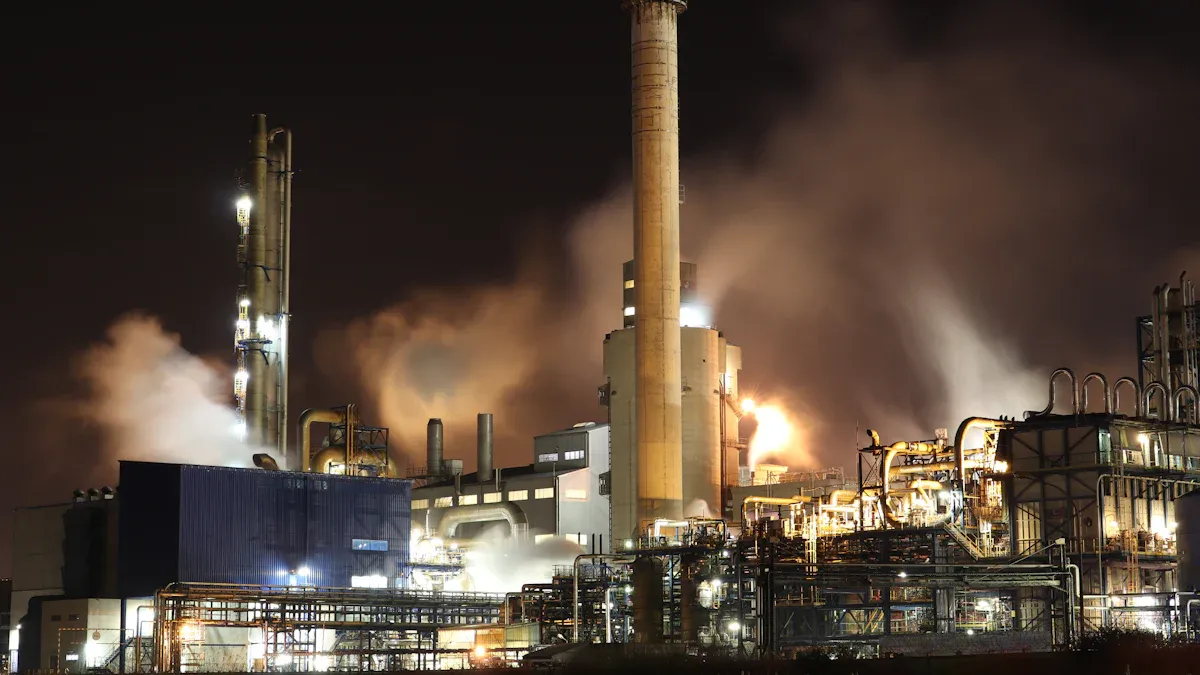
Nitrogen gas generation systems are very important in many industries. They help keep operations running smoothly and improve product quality. These systems are used in different areas like food preservation, chemical processing, and electronics manufacturing. The table below shows how important nitrogen gas generation systems are to key industries:
Industry | Percentage of Total Revenue | Key Applications |
|---|---|---|
Food Industry | Keeping food fresh and packaging food products | |
Chemical Industry | 30% | Many chemical processes |
Electronics | 20% | Making semiconductors and other components |
Other Industries | 15% | Various uses in different sectors |
As technology improves, new ideas and trends change nitrogen generation. This leads to a better and more efficient future.
Key Takeaways
Nitrogen generation systems are very important for industries like food, chemicals, and electronics. They help improve product quality and make operations run better.
Making nitrogen on-site cuts costs compared to using gas cylinders. This saves businesses money and reduces waste.
New technologies like AI and automation make systems work better. They allow for monitoring in real-time and help with maintenance before problems happen.
Trends in sustainability encourage the use of energy-saving nitrogen generation technologies. This helps companies reduce their carbon footprints.
Keeping up with new developments in nitrogen generation can help with better decisions and improvements in different industries.
Current Nitrogen Systems
Nitrogen gas generation systems have changed a lot over time. Many different technologies are used today. Each technology has its own benefits and drawbacks. They meet different needs in industries. Here is a summary of the main types of nitrogen generation technologies:
Technology Type | Purity Level | Pros | Cons |
|---|---|---|---|
Pressure Swing Adsorption (PSA) | Up to 99.999% | High purity, can be scaled up, reliable | Higher starting cost, needs maintenance, uses more energy |
95% to 99.5% | Lower cost, small size, easy to use | Limited purity, trade-off between purity and flow rate, sensitive to temperature | |
Cryogenic Nitrogen Generators | Exceeding 99.9995% | Very high purity, large capacity, flexible | Complex, high setup and running costs, needs more space |
Applications in Industries
Nitrogen gas generation systems are used in many sectors. They help improve efficiency and product quality. In the food and drink industry, nitrogen is very important for keeping things fresh. Here are some key uses:
Nitrogen is used to flush packaging and take out oxygen. This helps food last longer by months.
It helps store food for preservation, which means less food waste.
In the electronics and semiconductor industry, nitrogen creates safe environments for soldering. This process helps reduce oxidation and thermal stress. These are important for keeping products intact. Key benefits include:
Nitrogen cuts down oxidation during assembly and packaging.
It helps make stronger solder joints, which improves product quality.
Nitrogen generators can lower soldering waste by over 50%, making things more efficient.
The costs of running nitrogen generation systems also affect different industries. On-site nitrogen systems only need occasional maintenance, which lowers ongoing costs. On the other hand, gas cylinder systems need regular buying, which can hurt the budget. On-site units only produce the gas needed, which reduces waste.
The cost of nitrogen in cylinders is between $0.80 and $1.50 per CCF.
Making nitrogen on-site costs about $0.0614 per CCF.
Yearly costs for nitrogen cylinders can be around $27,650, while on-site generation costs only about $2,670.
These improvements in nitrogen gas generation systems not only make operations better but also save money across industries.
Innovations in Nitrogen Gas Generation System
Enhanced Generator Design
New improvements in nitrogen gas generation systems have made them work better and be more reliable. Today's designs use different technologies to make nitrogen cleaner and lower costs. Some key innovations are:
Membrane separation and pressure swing adsorption techniques: These methods make nitrogen cleaner and cheaper to produce.
IoT and smart sensors: These tools allow real-time checking and maintenance, which reduces downtime and makes systems more reliable.
Compact and modular designs: These features make installation easier and allow businesses to grow with changing needs.
Energy-saving features: New designs help create cleaner production environments and support sustainability.
Also, modern nitrogen generators are made to be easy to maintain. This design helps keep downtime low, so industries can keep working. Energy-efficient technologies lower costs and help systems last longer.
Feature | Benefit |
|---|---|
Controlled Nitrogen Environment | Improves UV light absorption, making curing processes better. |
Aesthetics | Leads to better color transparency and smoothness in dental products. |
Mechanical Properties | Up to 25% stronger and more durable for 3D printed items. |
Consistency | Ensures even curing, cutting down on differences in results. |
Workflow Efficiency | Allows unlimited curing cycles when needed, improving safety and ease. |
Energy Efficiency Improvements
Energy efficiency is now a big focus in nitrogen gas generation systems. The Horizen 24 nitrogen generator by PEAK Scientific shows this trend. It uses heat optimization technology, which boosts performance while using up to 55% less energy than older models. This change not only cuts power use but also lowers heat output, which saves on air conditioning costs and reduces the carbon footprint for labs.
Likewise, the N2GEN-FLEX by South-Tek Systems uses Pressure Swing Absorption (PSA) technology. This system gets a better air-to-nitrogen ratio than others, cutting energy use by over 20%. These improvements lead to lower costs and better reliability, making these systems smart choices for businesses.
In the last 15-20 years, PSA technology has greatly improved nitrogen generation efficiency. Modern systems can cut running costs by about 35% compared to older ones. Many businesses get back their investment in two to three years. Facilities that focus on upgrades can save around 22% over time due to better efficiency in their processes.
Industry Trends in Nitrogen Generation

Sustainability and Low-Carbon Footprint
Sustainability is very important in the nitrogen generation industry. Companies want nitrogen gas generation systems that use less energy. This change helps deal with rising energy costs while keeping production high. Stricter rules about emissions push businesses to make nitrogen on-site. This method greatly cuts down transportation emissions from traditional nitrogen delivery.
Key trends in sustainability include:
Energy Efficiency: Manufacturers use eco-friendly technologies, like membrane systems, to save energy and lower carbon footprints.
Customization: Special nitrogen generation solutions fit the needs of different industries, ensuring high purity and specific flow rates.
On-site nitrogen generation systems help the environment by reducing the need for frequent nitrogen deliveries. This cuts down carbon emissions from transportation and production.
Automation in Production
Automation is key to making nitrogen production more efficient and reliable. Smart controls allow for real-time monitoring, which reduces manual work and improves efficiency. Automation lets nitrogen generator units run based on set conditions, boosting overall productivity.
Notable benefits of automation include:
Increased Efficiency: Automating the nitrogen treatment process has improved efficiency by 5.7% compared to manual methods.
Real-Time Monitoring: Sensors ensure accurate control over important factors like flow rate and purity, increasing reliability.
The nitrogen generation market is expected to grow a lot, driven by more industrial rules and the need for on-site nitrogen solutions. As industries keep focusing on sustainability and automation, nitrogen gas generation systems will change to meet these new needs.
Future of Nitrogen Gas Generation Systems
AI and Real-Time Optimization
Artificial intelligence (AI) will change nitrogen gas generation systems. By using AI, companies can work better and more accurately. Here are some key benefits of AI:
Improved System Efficiency: AI helps nitrogen generators work at their best.
Predictive Maintenance: AI can predict when maintenance is needed. This helps reduce downtime and makes equipment last longer.
Real-Time Monitoring: Smart sensors check important things like gas flow, temperature, and energy use. This allows for quick changes to keep everything running well.
Using these technologies will save money and make operations better. As companies start using AI in nitrogen generation systems, they will see better performance and lower costs.
Benefit | Description |
|---|---|
Cost Savings | |
Operational Efficiency | Advanced technology and automation make operations smoother and more reliable. |
Customization | Nitrogen generators can be customized for specific needs. |
Energy Efficiency | Using renewable energy helps lower energy use in nitrogen generation. |
Market Growth Projections
The nitrogen gas generation market is expected to grow a lot in the next ten years. It was valued at USD 1.2 billion in 2024 and could reach USD 2.8 billion by 2033. This means a growth rate of 9.8% each year from 2026 to 2033.
Some regions will lead this growth:
Asia Pacific: Will likely have about 38% of the market share in 2024, worth USD 5.13 billion. This growth comes from industrialization and investments.
North America: The second-largest market, valued at USD 3.78 billion in 2024, with a growth rate of 5.1% until 2033, thanks to a strong industrial base.
Europe: Has a market value of around USD 2.97 billion in 2024, focusing on strict rules and sustainability.
Middle East & Africa and Latin America: Growing quickly due to more investments in different sectors.
New technologies, like nitrogen fixation for making sustainable ammonia, will also change the market. This technology is important for creating fertilizers that help grow food. Onsite nitrogen generators will give hospitals and industries better control over their nitrogen supply, making it more flexible and cheaper.
As the nitrogen generation market changes, new technology will affect global supply chains and industrial processes. Moving towards onsite generation will cut down transportation emissions and support global sustainability goals. However, challenges like high startup costs and the need for skilled workers might slow growth in some areas.
It is important for industry workers to understand new changes in nitrogen generation systems. Keeping up with these updates can bring big benefits. Here are some good ways to stay informed:
Go to industry conferences to learn about new advancements.
Join webinars that focus on laboratory gas supply solutions.
Talk to experts in the field to get helpful insights.
Using advanced nitrogen generation technologies has many benefits, like saving money, having more control, and improving quality. As the industry changes, professionals need to stay alert and flexible to make the most of these new ideas. 🌱
FAQ
What are nitrogen generation systems?
Nitrogen generation systems make nitrogen gas right where it is needed. They remove the need for gas cylinders. This helps save money and makes things work better. Many industries use these systems for things like keeping food fresh and making electronics.
How do pressure swing adsorption (PSA) systems work?
PSA systems take nitrogen from air by changing the pressure. They grab oxygen and other gases onto a special material. This lets pure nitrogen flow out. This way works well and can be adjusted for different industry needs.
What are the benefits of on-site nitrogen generation?
On-site nitrogen generation cuts down on transportation costs and emissions. It also makes sure there is always nitrogen available. This lowers running costs and reduces waste. Companies can adjust production to fit their needs.
How does automation improve nitrogen generation systems?
Automation makes things work better by allowing real-time checks and control. Smart sensors change operations based on set rules, which cuts down on manual work. This leads to more reliability and productivity in nitrogen generation.
What trends are shaping the future of nitrogen generation systems?
Important trends include efforts for sustainability, better energy efficiency, and using AI technologies. These changes aim to lower carbon footprints, improve operations, and meet the rising need for on-site nitrogen solutions.