The Future of Nitrogen Generation Systems: Innovations and Trends

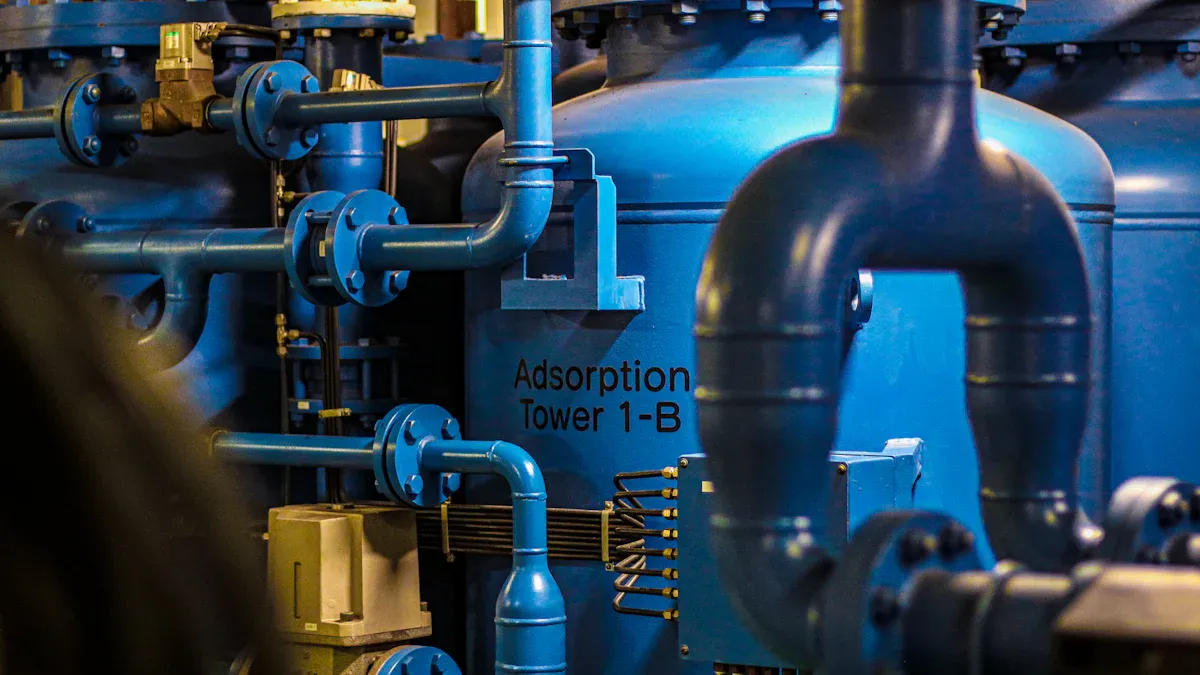
Nitrogen generation systems are very important in many industries. These include food packaging, medicine, and electronics. These systems provide a steady supply of nitrogen. This is important for keeping products safe and high quality. The nitrogen generation field is changing quickly. This change is due to more demand and new technology. In the last ten years, the global nitrogen generation market has grown steadily. It is expected to be worth about USD 0.46 billion in 2024. It is also projected to grow at a rate of 3.8% each year until 2033. This growth shows that industries depend more on nitrogen. It also shows the need for new ideas in nitrogen generation technology.
Key Takeaways
On-site nitrogen generation systems help save money. They also improve efficiency and lower environmental harm. This happens by reducing risks from transportation and handling.
New PSA and membrane technologies make nitrogen generation use less energy. They are more flexible and easier to take care of.
Industries such as food, pharmaceuticals, and electronics need nitrogen systems. These systems keep products safe and of high quality.
High starting costs and strict rules make it hard for the industry. However, these challenges also push for new ideas and better technology.
Future growth will depend on using energy wisely. It will also rely on renewable energy and smart systems that change with industry needs.
Market Trends in Nitrogen Generation
Industrial Demand
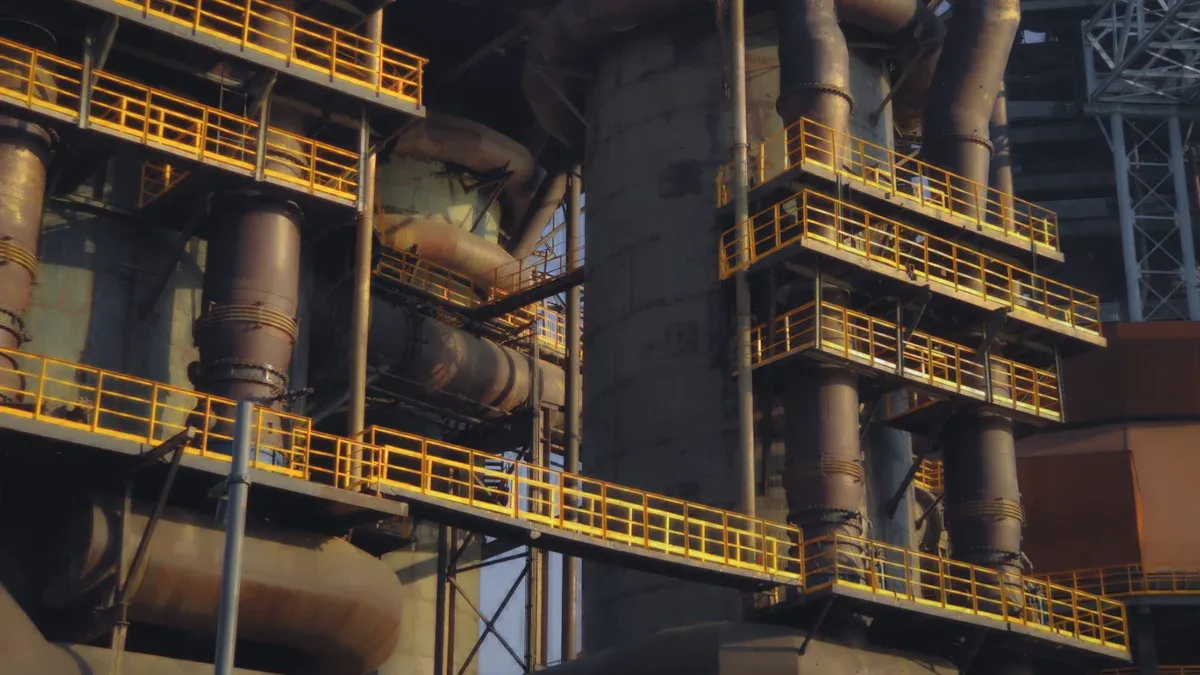
The need for nitrogen generation systems is growing in many areas. Industries like food and beverage, pharmaceuticals, and electronics are the main reasons for this growth. These industries use nitrogen for many things, like packaging, preservation, and making processes better.
Food and Beverage: Nitrogen is very important for keeping products fresh. It replaces oxygen in packaging. This stops oxidation and keeps germs away. This method is called Modified Atmosphere Packaging (MAP). It helps keep food quality high.
Pharmaceuticals: In this field, nitrogen creates safe spaces for making and packaging drugs. This keeps medications safe and stops contamination during production.
Electronics: The electronics field uses nitrogen to create safe environments during important steps like soldering. This helps reduce oxidation and makes products last longer.
Other fields, like aerospace, automotive, and oil and gas, also add to the rising need for nitrogen generation systems. For example, aerospace companies use nitrogen to stop oxidation during making and to remove oxygen from fuel tanks for safety.
The expected compound annual growth rate (CAGR) for the nitrogen generator market in the United States is 3.0% from 2024 to 2031. This growth is due to the rising need for high-purity nitrogen in food and beverage, electronics, and pharmaceuticals. The U.S. market size is likely to reach about USD 2604.08 million by 2024.
On-Site Generation Popularity
On-site nitrogen generation systems are becoming more popular because they have many benefits. Industries are using these systems more to meet their nitrogen needs in a smart and cost-effective way.
Cost Savings: On-site generation cuts costs a lot compared to buying liquid nitrogen. Companies can see a return on investment (ROI) in 9 to 24 months.
Operational Efficiency: These systems give a steady supply of nitrogen. This reduces downtime and helps production run smoothly.
Safety and Environmental Benefits: On-site generation removes the dangers of handling liquid nitrogen and high-pressure tanks. It also lowers the carbon footprint by cutting down on transportation needs.
Flexibility and Scalability: On-site systems let companies change nitrogen production based on demand. This flexibility is important for industries with changing nitrogen needs.
The move towards on-site nitrogen generation fits with larger sustainability trends. Companies are focusing more on reducing their environmental impact. On-site systems help with this by lowering transportation emissions and energy use.
Innovations in Nitrogen Generation Systems
PSA Technology
Pressure Swing Adsorption (PSA) technology has improved a lot. This makes it better for nitrogen generation systems. PSA systems work by compressing air. They use carbon molecular sieves to take out oxygen. This lets them produce high-purity nitrogen. Recent improvements in this technology include:
Description | |
|---|---|
Adsorption Materials | Better materials lead to higher adsorption and performance. |
Control Systems | Smart control systems improve operation and automation. |
Energy Efficiency | New designs aim to cut energy use and costs. |
Sustainability | PSA systems now help lower carbon footprints and meet environmental goals. |
Customization and Miniaturization | Compact, customizable solutions are made for specific industry needs. |
Market Growth Drivers | Growth in emerging economies and partnerships drive innovation. |
Automation and Smart Technologies | Automation features help optimize nitrogen generation when needed. |
These improvements focus on saving energy and making systems smaller. This helps PSA work in many industries. For example, PSA nitrogen generators now have energy-saving features. They can go into standby mode when not in use. This means they only work when needed, cutting energy use and costs. Compared to older nitrogen delivery methods, PSA systems give a steady supply without needing delivery contracts. On-site PSA nitrogen generation can lower total nitrogen costs by up to five times. Many companies see a positive return on investment within two years.
Membrane Technologies
Membrane separation technologies have also improved a lot. They offer an energy-saving choice to traditional nitrogen production methods. These systems use semi-permeable membranes. They let nitrogen pass through while blocking oxygen, water vapor, and impurities. Recent developments show several key benefits:
Nitrogen Purity Range: Membrane systems can reach nitrogen purity levels up to 99.95%. This gives precise control to meet specific needs.
Scalability: The modular design allows for easy expansion by adding membrane modules, which helps with changing production needs.
Energy Consumption: Users can save energy by choosing the right purity levels. Higher purity settings use more energy.
Maintenance: Membrane systems need very little maintenance because of their simple design and strong membranes. This ensures long life and stable product quality.
Start-up Speed: These systems can start up quickly, which helps with operational flexibility.
Recent advancements in membrane technologies lead to more sustainable, reliable, and cost-effective nitrogen supply solutions. They work without needing very low temperatures, making them cheaper and better for producing nitrogen with purity levels between 95% and 99.5%. The modular design of membrane systems supports on-site nitrogen generation. This improves scalability and reduces reliance on outside suppliers. This flexibility lets facilities change production capacity based on demand. It also improves operational efficiency and safety by reducing the handling of large nitrogen amounts.
Challenges Facing the Industry
Economic Factors
The nitrogen generation industry has many economic problems. These issues affect both makers and users. One big problem is the high upfront cost of nitrogen generation systems. Many small and medium businesses find it hard to pay for the initial investment. This can stop them from using these technologies. Even though on-demand nitrogen generation saves money in the long run by removing cylinder rental fees and delivery costs, getting funding is still tough. Laboratories often depend on grants or startup packages to pay for these costs. They can see a return on investment in just a few months.
Other economic factors include:
Maintenance Complexity: Regular checks and repairs need skilled workers, which raises costs.
Raw Material Price Volatility: Prices for important materials like natural gas and ammonia change due to global demand and political events. These price changes directly affect manufacturing costs and the prices of nitrogen generation equipment.
Regulatory Issues
Regulatory problems also greatly affect the nitrogen generation industry. In places like the EU, strict purity rules and certifications can slow down installations and raise costs. For example, the Nitrates Directive aims to control nitrate pollution. It requires industries that use nitrogen to follow certain rules. This directive needs monitoring and updating every four years, which can make things harder for manufacturers.
Also, changes from agencies like the EPA and OSHA create stricter environmental and safety rules. These changes push industries to use cleaner and more energy-efficient nitrogen generation systems. While compliance costs can be a barrier, they also encourage innovation and research investments. Companies that adjust their research and development to meet new regulations can gain an edge by creating technologies that fit changing standards.
Future Opportunities for Nitrogen Generation Systems
Energy Efficiency
The nitrogen generation industry is seeing big improvements in energy efficiency. New developments in membrane and pressure swing adsorption (PSA) technologies are making systems work better and cost less. These technologies now have:
Smart Control Systems: AI and IoT help monitor systems in real-time. This makes operations better and saves energy.
Regulatory Support: Government programs encourage the use of energy-efficient nitrogen generation technologies. These programs help industries invest in green solutions.
Industry 4.0 Standards: Using advanced analytics and predictive maintenance helps save energy in nitrogen generation systems.
These improvements lead to sustainable nitrogen generation with lower carbon footprints. Energy-efficient nitrogen generators make nitrogen on-site. This cuts out costs for transportation and storage. They also need less maintenance and manual work than older systems, which saves money over time. For example, membrane nitrogen generators are very energy-efficient. They use little power and greatly lower operational costs.
Renewable Integration
Using renewable energy sources in nitrogen generation systems offers exciting chances. Emerging economies, especially in Asia Pacific and Latin America, are growing fast. Governments in these areas support sustainable nitrogen generation technologies with policies and incentives. This trend helps create:
Portable and Modular Systems: These systems are great for decentralized manufacturing and field work, making them more flexible.
Green Feedstocks: Using bio-methane and green ammonia as feedstocks helps reduce greenhouse gas emissions and improves sustainability.
Hybrid Systems: Mixing membrane separation with PSA or cryogenic distillation helps balance cost, purity, and energy use.
As industries move towards local production, the need for on-site nitrogen generation grows. This lowers supply chain risks and boosts operational efficiency. The push for sustainable, low-carbon nitrogen generation technologies sets the market up for strong growth in the future.
The future of nitrogen generation systems looks bright. This is because of the growing need from industries and new technology. Here are some important points:
On-site generation systems save money and improve efficiency.
New ideas in PSA and membrane technologies aim for energy savings and being eco-friendly.
New markets offer big chances for growth in nitrogen generation.
Keeping up with new ideas is important to stay competitive and meet changing industry needs. As companies adjust to these trends, they can strengthen their operations and help create a better future.
Companies should think about how these changes can influence their plans and investments in nitrogen generation systems.
FAQ
What are nitrogen generation systems?
Nitrogen generation systems make nitrogen gas right where it is needed. They use methods like Pressure Swing Adsorption (PSA) and membrane separation. These systems help businesses save money and work better by giving a steady supply of nitrogen.
How do on-site nitrogen generation systems save costs?
On-site systems remove the need to buy liquid nitrogen and cut down on transportation costs. Companies usually get their money back within 9 to 24 months because of lower running costs and better efficiency.
What industries benefit from nitrogen generation systems?
Industries like food and drink, medicine, electronics, aerospace, and cars gain a lot from these systems. They use nitrogen for packaging, keeping products fresh, and making safe production areas, which improves product quality and safety.
What are the main challenges in nitrogen generation?
Big challenges include high starting costs, complicated maintenance, and changing prices for raw materials. Rules and regulations also create problems since industries must follow strict purity and environmental rules.
How is energy efficiency improving in nitrogen generation systems?
New technology like PSA and membrane systems is making energy use better. Smart control systems and automation help lower energy use, leading to more eco-friendly and cost-saving nitrogen generation solutions.