How Industrial Nitrogen Generators Reduce Operational Costs

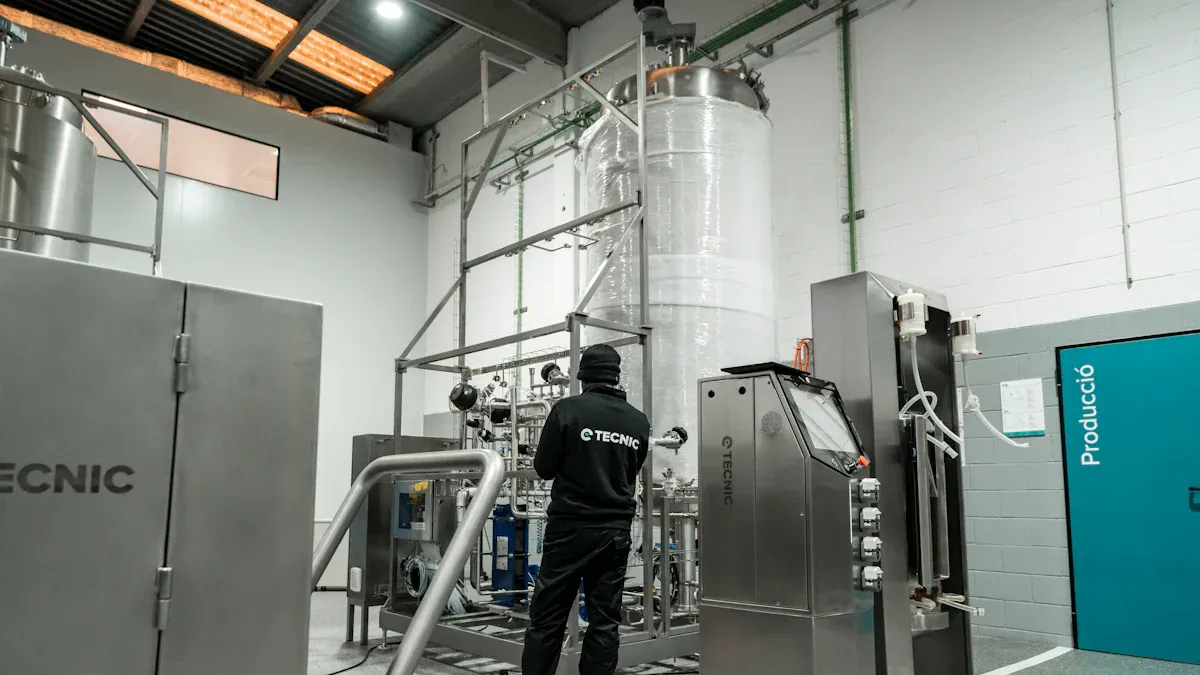
Using an industrial nitrogen generator can greatly lower your costs. You can save between 75% and 92% compared to old nitrogen supply methods. Making nitrogen on-site removes delivery fees. These fees can be over $100 each time. It also cuts down on storage needs. This saves you from paying monthly tank rental fees that can go over $2,000. This method also helps your operations run better. It gives you a steady supply of nitrogen when you need it. This reduces waste and stops interruptions in your work.
Key Takeaways
An industrial nitrogen generator can help your business save 75% to 92% on nitrogen costs. This is much better than using traditional supply methods.
Making nitrogen on-site means you won’t pay delivery fees. It also cuts down on storage needs, which saves money.
Membrane and PSA generators have different benefits. You should pick one based on your purity needs and budget.
By making nitrogen on-site, you can avoid price changes. This keeps costs steady and ensures a reliable supply.
Buying nitrogen generators can improve how your business runs. It also helps reduce harm to the environment.
Types of Nitrogen Generators
There are two main types of industrial nitrogen generators: membrane generators and PSA (Pressure Swing Adsorption) generators. Each type has different features, costs, and uses.
Membrane Generators
Membrane generators use a special membrane to separate nitrogen from other gases in the air. This method is simple and works well for many uses. Here are some important facts about membrane generators:
Cost: They usually cost between $3,000 and $20,000. This makes them a cheaper choice for smaller businesses.
Purity Level: Membrane generators can make nitrogen with a purity level of 95-99.5%. This is good for many industrial tasks.
Lifespan: These systems last about 5 to 10 years. They need to be replaced every few years.
PSA Generators
PSA generators work in a different way. They use pressure to capture oxygen and other gases. This lets only nitrogen go through. This method gives high-purity nitrogen, which is important for certain uses. Here are some details about PSA generators:
Cost: PSA generators cost between $10,000 and $30,000. They may cost more at first, but they often save money in the long run.
Purity Level: PSA generators provide high-purity nitrogen. This makes them great for industries that need strict quality.
Lifespan: These systems can last over 15 years and need little maintenance.
Type of Generator | Purity Level | |
|---|---|---|
$10,000 - $30,000 | High-purity nitrogen | |
Membrane Nitrogen Generators | $3,000 - $20,000 | 95-99.5% nitrogen purity |
Both types of generators have their benefits. Picking the right one depends on your needs, budget, and how pure you want the nitrogen to be.
Operational Mechanisms
It is important to know how industrial nitrogen generators work. This helps you get the most benefits. There are two main technologies that power these generators: membrane technology and PSA (Pressure Swing Adsorption) technology. Each one works differently and helps save money and energy.
Membrane Technology
Membrane technology separates nitrogen from other gases in the air. It uses a special membrane that lets some gases pass through. This method is easy and works well for many uses. Here are some important points about membrane technology:
Lower Operational Costs: Keeping an eye on the system saves energy. This cuts down on costs a lot.
Extended Equipment Lifespan: Watching the system closely helps find small problems early. This stops damage and saves money on replacements.
Reduced Nitrogen Waste: Good control makes sure nitrogen is made and used efficiently. This cuts waste and uses your resources better.
Improved Labor Efficiency: Monitoring from afar means less need for manual checks. Your workers can do more important tasks, which boosts productivity.
Membrane systems usually use less energy because they run on low-pressure air all the time. They don’t need to cycle on and off, which also helps lower energy costs. But remember, membrane filters wear out over time. Replacing them can cost over $1,000 every two years, but they are easier to maintain than other systems.
PSA Technology
PSA technology works by using pressure to separate nitrogen from other gases. This method is more complicated but gives high-purity nitrogen, which is very important for some industries. Here are the main points about PSA technology:
PSA nitrogen generators can last more than 15 years if taken care of properly.
Carbon molecular sieves take out oxygen and impurities from compressed air.
The process switches between high and low pressures, allowing for constant nitrogen production.
With good care, carbon molecular sieves can last over 10 years. Regular maintenance includes checking for leaks, looking at pressure levels, and changing filters every six months. Even though PSA systems might cost more at first, their long life and efficiency can save you a lot of money later.
Generator Type | Maintenance Requirements | |
|---|---|---|
PSA | Change filters every year; higher maintenance costs | Can last over 20 years with good care; higher initial costs |
Membrane | Fewer moving parts; lower maintenance needs | Membrane filters wear out over time; replacement costs can go over $1,000 every two years; generally easier to maintain but may need more frequent replacements |
Both technologies have their own benefits. Choosing the right one depends on what you need, your budget, and how pure you want the nitrogen to be.
Cost Savings of On-Site Generation

Making nitrogen at your own place can save a lot of money for businesses. When you create nitrogen right at your facility, you can cut out many costs that come with old supply methods. Here are some main ways you can save cash:
Elimination of Delivery Fees
When you make nitrogen on-site, you stop paying for delivery fees. Old nitrogen supply methods often charge a lot for bringing gas cylinders. These costs can add up fast, costing you hundreds of dollars each time.
Look at this table that shows the cost differences:
Cost Type | On-Site Generation | Cylinder Delivery |
|---|---|---|
$0.25 | $0.70 - $3.00 | |
Delivery Charges | Eliminated | Included |
Hazmat Fees | Eliminated | Included |
Equipment Rental Fees | Eliminated | Included |
Contract Fees | Eliminated | Included |
By switching to an industrial nitrogen generator, you can save about $25,000 or more each year after paying back your initial costs. This big savings comes from getting rid of delivery and rental fees. This lets you use your money better.
Reduced Storage Needs
Making nitrogen on-site also means you need less storage space. With old methods, you usually need big tanks to hold nitrogen. These tanks take up important space and can cost over $2,000 each month to rent.
When you create nitrogen on-site, you only make what you need, when you need it. This way, you don’t need large storage tanks, which saves you money. You can arrange your facility better and use the extra space for other important tasks.
Avoiding Price Fluctuations
Another big plus of on-site nitrogen generation is that you can avoid price changes in the nitrogen market. When you make nitrogen yourself, you keep your costs steady. You have direct control over how much you produce, its purity, and pressure, which helps keep costs stable.
Here are some benefits of avoiding price changes:
You can make the exact purity you need for your work.
A steady nitrogen supply helps you avoid problems in your supply chain.
You can run your operations smoothly without worrying about price changes.
On the other hand, buying bulk nitrogen often has hidden costs and prices that change. After you invest in an industrial nitrogen generator, your only ongoing costs are for maintenance and electricity. These costs are easy to predict each year. This long-term savings lets you focus on your main business without the worry of rising nitrogen prices.
Real-World Applications
Manufacturing Examples
Industrial nitrogen generators are used a lot in different manufacturing areas. They help improve efficiency and lower costs. Here are some common uses:
Application Area | |
|---|---|
Aerospace | Create a safe environment to stop oxidation. |
Pharmaceuticals | Keep products stable and intact. |
Electronics | Stop oxidation in delicate parts. |
Metal Manufacturing | Lower corrosion and boost product quality. |
Manufacturing companies have seen their costs drop by up to 50% by making nitrogen on-site. You cut out transportation and delivery fees, which helps save money. Making nitrogen at your location also means less downtime for changing cylinders and waiting for deliveries. This improvement increases overall productivity. You can adjust nitrogen purity levels to fit your specific needs, making your processes even better.
Food and Beverage Applications
In the food and drink industry, nitrogen generators are very important for keeping product quality. They provide many benefits that lead to cost savings:
Benefit | Description |
|---|---|
Lower ongoing costs for delivery, transport, and rental fees for nitrogen sources. | |
Continuous Supply | Offer a steady and reliable supply of nitrogen, removing delivery risks. |
Safety | On-site generators are safer than using high-pressure cylinders, lowering accident risks. |
Environmental Benefits | Reduce environmental harm from transporting nitrogen. |
Space Savings | Need less storage space than cylinders or liquid nitrogen tanks, opening up facility space. |
Using an industrial nitrogen generator helps you keep a steady supply of nitrogen for packaging. This keeps products fresh and extends their shelf life. By relying less on outside suppliers, you improve your efficiency and cut costs.
In conclusion, industrial nitrogen generators can save your business a lot of money. They help lower costs for transporting, storing, and handling nitrogen cylinders. You get a steady source of nitrogen right at your place. This way, you also reduce your carbon footprint compared to older supply methods.
Think about investing in on-site nitrogen generation. This choice gives you full control over your nitrogen supply. It removes problems in the supply chain and makes your operations more flexible. By using in-house generation, you can cut nitrogen costs by 30–60% each year.
Buying an industrial nitrogen generator can bring big savings and better efficiency in the long run.
FAQ
What is an industrial nitrogen generator?
An industrial nitrogen generator makes nitrogen right where you need it. It uses methods like membrane or PSA to take nitrogen from the air. This means you don’t have to worry about delivery or storing nitrogen tanks.
How much can I save with on-site nitrogen generation?
You can save about 30% to 60% each year by making nitrogen on-site. This savings comes from not paying for delivery, cutting storage costs, and avoiding price changes.
What industries benefit from nitrogen generators?
Many industries use nitrogen generators. These include manufacturing, food and drink, pharmaceuticals, and electronics. Each industry uses nitrogen to keep products fresh and stop oxidation.
How do I choose the right nitrogen generator?
To pick the right nitrogen generator, think about how pure you need the nitrogen, your budget, and how much space you have. Membrane generators are cheaper for lower purity, while PSA generators give high-purity nitrogen for important uses.
What maintenance do nitrogen generators require?
Nitrogen generators need regular care. This includes checking for leaks, watching pressure levels, and changing filters. Membrane systems need new filters every two years, while PSA systems usually need filter changes every six months.