How to Choose the Right 11 by 17 Paper for Your Projects

Have you ever thought about how the right paper can improve your project? Picking the right type of paper is very important for getting great results. It makes your work look better and shows your professionalism. This helps you leave a good impression on clients and stakeholders. In this blog, we will look at important things like weight, finish, and orientation that can affect your choice of 11 by 17 paper.
Key Takeaways
Picking the right 11 by 17 paper makes your project look better.
Think about the paper's weight: light paper is good for drafts. Heavy paper works well for important projects.
Choose the finish carefully: coated paper makes colors pop. Uncoated paper is best for writing.
Orientation is important: use tabloid for vertical designs. Use ledger for horizontal designs to make it easier to read.
Always check your printer's details to see if it can use the paper size and weight you want.
11 by 17 Paper Types
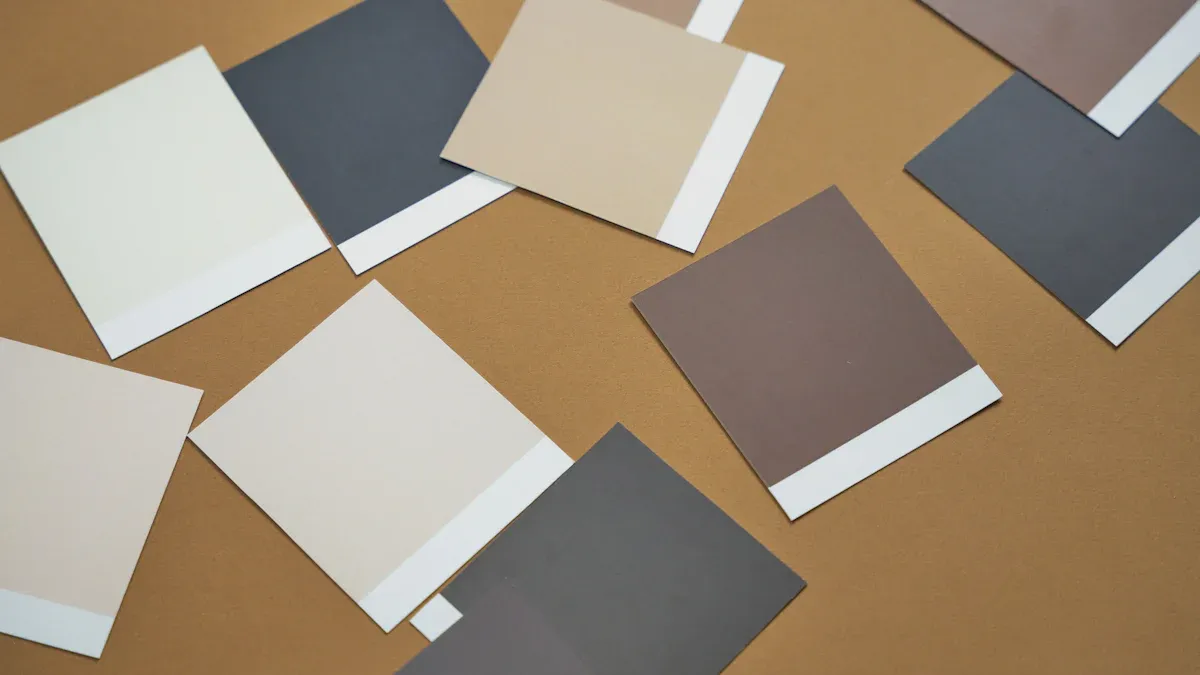
When you need 11 by 17 paper, you have many choices. Each type has different uses and can change how your projects turn out. Let’s look at the three main types: standard copy paper, cardstock, and photo paper.
Standard Copy Paper
Standard copy paper is common in offices and homes. It usually weighs between 20 lb and 24 lb. This makes it light but strong enough for daily tasks. This paper is great for printing documents, reports, and presentations.
Tip: When picking standard copy paper, think about its brightness and opacity. Brighter paper improves contrast, making your text easier to read. This is very important for double-sided documents. Higher opacity stops text from showing through.
Here’s a quick look at some common uses for standard copy paper in 11 by 17 size:
Use Case | Description |
|---|---|
Important for reading technical drawings made in CAD software. | |
Architecture Plans | Great for large drawings that need detailed interpretation. |
Presentations | Good for ledgers and presentations where larger formats are needed. |
Cardstock
Cardstock is thicker than standard copy paper. It usually weighs between 80 lb and 130 lb or more. This extra weight makes it feel sturdier. It’s a great choice for projects that need durability, like invitations, business cards, and posters.
You can pick from different weights of cardstock, each for different needs:
Cardstock Weight | Description | Uses | Advantages |
|---|---|---|---|
Lighter cardstock, flexible but somewhat rigid. | Invitations, greeting cards, letterheads. | Easy to handle and print on. | |
100 lb (270 gsm) | Popular for premium stationery, sturdier feel. | Business cards, premium letterheads, higher-end invitations. | Professional feel without being too thick. |
110 lb (298 gsm) | Heavier cardstock, luxurious feel. | Business cards, wedding invitations, formal stationery. | High-end tactile experience, boosts perceived value. |
120 lb (324 gsm) | Very thick and durable, for premium projects. | High-end invitations, announcements, special event stationery. | Significant heft, luxury feel for formal occasions. |
130 lb (352 gsm) and Above | Extremely thick, for premium projects. | Deluxe invitations, presentation folders. | Ultra-premium feel, may need special printing. |
Photo Paper
If you want to print high-quality images, 11 by 17 photo paper is the best choice. This paper is made just for photos. It gives you a larger space that shows more detail and color.
Using photo paper helps you show your visuals in portfolios or displays well. The coated surface of photo paper helps create richer colors and sharper images. This makes it perfect for professional presentations or personal projects.
Uses for 11 by 17 Paper
11 by 17 paper is very useful for many projects. This bigger size helps with both function and looks. Let’s check out some popular ways to use it.
Printing Documents
Printing documents on 11 by 17 paper can make them easier to read. This larger size gives you more space for pictures and charts. It works well for technical drawings, spreadsheets, and reports. Many businesses use this size for:
Magazines that need to fold and combine sheets.
The extra space helps organize content better. Your information will look much clearer on 11 by 17 paper.
Creating Posters
If you want to make eye-catching posters, 11 by 17 paper is a great option. The larger size allows for clear designs that grab attention. Here are some reasons to use this size for posters:
Bigger prints catch the eye of people walking by.
When making your poster, use high-quality images. A resolution of at least 300 dpi makes your visuals look sharp. Paying attention to this detail can really help how your message is understood.
Craft Projects
For people who love crafts, 11 by 17 paper offers many options. Its strength can vary, so you can pick the right paper for your project. Here’s a quick look at how different types of paper compare:
Paper Type | Durability Level | Ideal Use in Crafts |
|---|---|---|
Cardstock | High | Making cards, projects needing strength |
Construction Paper | Moderate | Kids' crafts, but not for long-lasting items |
Tissue Paper | Low | Lining gift bags, not for strong crafts |
Watercolor Paper | High | Watercolor painting, holds up to wetness |
With 11 by 17 paper, you can make beautiful cards, posters, and other crafts. The larger size lets you be more creative and detailed in your work.
Key Considerations for 11 by 17 Paper
When you pick the right 11 by 17 paper, think about some important things. These include weight and thickness, finish and texture, and orientation. Each of these can change how good your printed materials look and work.
Weight and Thickness
The weight and thickness of 11 by 17 paper are very important. Different weights can change how the paper feels and how well it prints. Here’s a quick look at common weight options:
Weight (lbs) | Thickness (mil) | GSM (grams per square meter) | |
|---|---|---|---|
Copy Paper | 20lb | 5mil | 75gsm |
Light Weight | 32lb | 8mil | 120gsm |
Medium Weight | 50lb | 11mil | 176gsm |
Standard Photo | 68lb | 10.4mil | 270gsm |
Heavy Weight | 86lb | 14mil | 320gsm |
Choosing the right weight is very important, especially for big printing jobs. Here are some things to remember:
Heavier paper is usually thicker and stiffer, which can improve print quality.
Not all printers can use every paper weight. The wrong weight can cause jams or bad prints.
If you often have problems with paper weight, you may need to get better printing equipment.
Finish and Texture
The finish and texture of your 11 by 17 paper can change how your project looks. You can choose between coated and uncoated finishes, and each has its own benefits.
Coated Paper: This type has a smooth finish that makes colors brighter and sharper. It’s great for projects where pictures are important, like posters or ads.
Uncoated Paper: This option feels more natural and is often used for documents where you need to write or print. It absorbs ink well, making it good for text-heavy projects.
When you choose your paper, think about how the finish will affect how your work looks. A glossy finish can make colors stand out, while a matte finish can give a more professional look.
Orientation: Tabloid vs. Ledger
The orientation of your 11 by 17 paper can also change how you show your information. You have two main choices: tabloid and ledger.
Name | Dimensions | Orientation | Typical Use Cases |
|---|---|---|---|
Tabloid | 11″ x 17″ | Portrait | Newspapers, Posters, Newsletters |
Ledger | 11″ x 17″ | Landscape | Spreadsheets, Charts, Financial Reports |
When to Use Each Orientation:
Tabloid Paper: Use this for magazines, newsletters, or event posters. It’s great for layouts that need vertical reading.
Ledger Paper: Choose this when making large spreadsheets or architectural drawings. It’s best for side-by-side comparisons or timelines.
Choosing the right orientation can improve the layout and usability of your printed materials. For example, horizontal layouts work well for math equations, while vertical layouts are easier to manage on a desk.
Picking the right 11 by 17 paper can really help your projects. Think about things like weight, finish, and orientation. Here’s a quick list of what to remember:
Weight Range | Best Use |
|---|---|
Drafts and simple documents | |
28-32 lbs | Business reports, resumes, letterheads |
40-60 lbs | Brochures, booklets, marketing materials |
70-80 lbs | High-quality color prints |
100 lbs | Marketing materials that need a premium feel |
Before you buy, check out different choices. This helps you find paper that fits your needs, improves clarity, and works well with your printer. Also, look for FSC certifications to support eco-friendly sourcing. Happy printing! 📄✨
FAQ
What is the best weight for 11 by 17 paper?
The best weight depends on your project. For documents, 20-24 lb works well. For posters or cards, consider 80 lb or higher for durability and a premium feel.
Can I use 11 by 17 paper in any printer?
Most printers can handle 11 by 17 paper, but check your printer's specifications first. Some models may require adjustments or may not support larger sizes.
How do I choose between tabloid and ledger orientation?
Choose tabloid for vertical layouts like newsletters and posters. Opt for ledger when you need horizontal space for spreadsheets or charts. It depends on your content's presentation.
Is photo paper suitable for everyday printing?
Photo paper is great for high-quality images but may not be ideal for everyday printing. Use standard copy paper for regular documents to save costs.
Where can I buy 11 by 17 paper?
You can find 11 by 17 paper at office supply stores, online retailers, or specialty paper shops. Compare prices and types to find the best option for your needs.