Innovative Techniques in Green Printmaking: A Look at Sustainable Practices

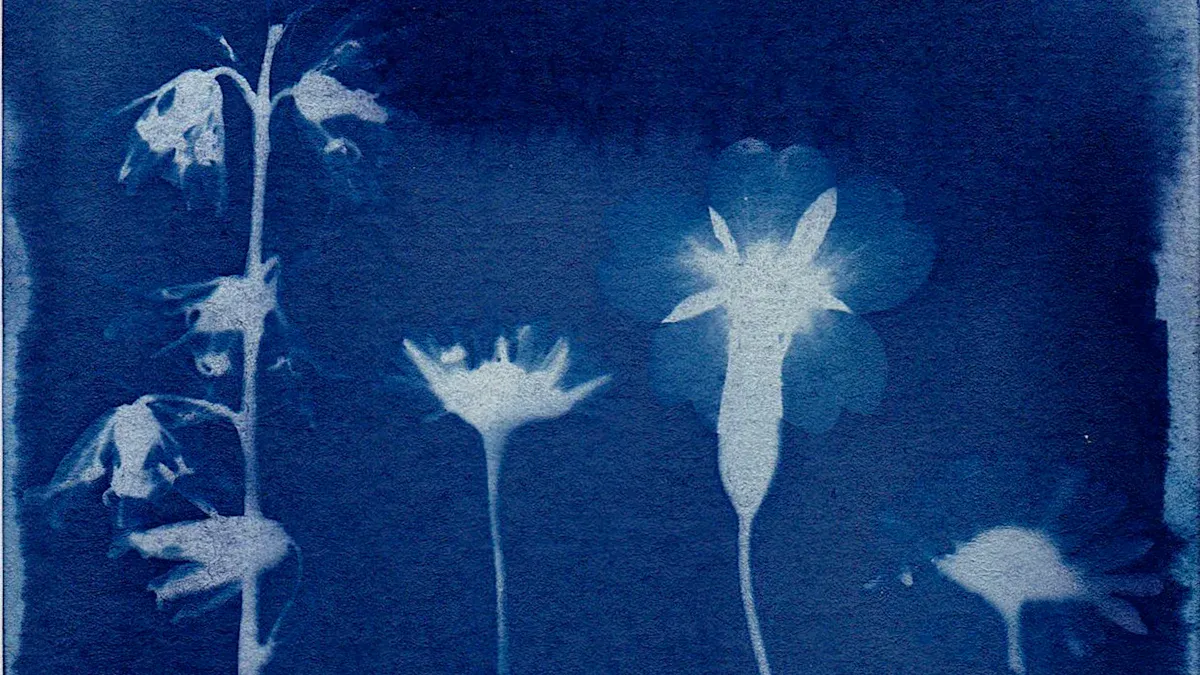
Sustainability is very important in printmaking today. Old methods can hurt the environment with chemical waste and using too many resources. You can help by using new techniques that reduce this harm. Using green printmaking practices helps our planet and sparks creativity. When you try these sustainable methods, you help create a better future for artists and the environment.
Key Takeaways
Use eco-friendly inks. This helps reduce harmful emissions. It also supports recycling efforts.
Try non-toxic etching methods. This lets you create art safely. It protects your health too.
Use recycled materials in your printmaking. This cuts down on waste. It supports a circular economy.
Get involved with your community. Host workshops to promote sustainable practices. Inspire others to join in.
Use renewable energy sources in your studio. This lowers your carbon footprint. It also improves energy efficiency.
Importance of Sustainable Practices

Old printmaking methods can really hurt the environment. The life of printed materials affects our planet from getting raw materials to throwing them away. Here are some important points to think about:
Making paper causes deforestation, which destroys habitats and lowers biodiversity.
About 35-40% of cut trees go to paper making, using a lot of water and energy.
Making one ton of paper can need 10,000 to 20,000 gallons of water.
Besides these environmental problems, old printmaking methods release harmful pollutants. Volatile Organic Compounds (VOCs) are big pollutants in printing. They evaporate at room temperature and can cause health problems like eye and throat irritation, headaches, and dizziness. These compounds are a major cause of air pollution from printing.
Pollutant Type | Source of Emission |
|---|---|
Volatile Organic Compounds (VOCs) | Emissions from inks and cleaning solvents |
Hazardous Air Pollutants (HAPs) | Emissions from inks and cleaning solvents |
Toluene | Used as an ink solvent and for cleaning |
Methyl Ethyl Ketone | Common solvent in inks |
Xylene | Common solvent in inks |
1,1,1-Trichloroethane | Common solvent in inks |
Using green printmaking methods has many benefits. You can lower environmental harm while saving money. Here are some benefits of switching to sustainable practices:
You can save money by using fewer harmful chemicals.
Strong waste management plans support a circular economy.
Green printmaking also fits with global sustainability goals. It improves your brand image by showing social responsibility. Customers like businesses that care about sustainability, which leads to more loyalty.
By using eco-friendly materials and renewable energy, you can greatly lower energy use and greenhouse gas emissions. Sustainable practices reduce waste, helping to save forests and lower overall resource use.
Techniques in Green Printmaking
Non-Toxic Intaglio Etching
Non-toxic intaglio etching has changed traditional printmaking. Artists like Cedric Green have created methods that use safer options instead of harmful acids. For example, electro-etching and electrolytic methods use saltwater solutions. This change removes dangerous materials and processes, making a healthier workspace. You can enjoy fewer health risks, like vision problems and breathing issues, while making beautiful prints.
Hapa-Zome Technique
The Hapa-Zome technique, made famous by India Flint, gives a special way to print. This method uses a hammer to press leaves and flowers onto fabric. It uses natural colors from plants. By gathering materials yourself, you connect with nature and lessen environmental harm. This technique focuses on sustainability because it does not use synthetic dyes. You can make amazing designs while caring for the environment.
Eco-Friendly Inks
Using eco-friendly inks is very important in green printmaking. These inks lower harmful emissions and help recycling. Here are some common types of eco-friendly inks:
Soy ink: Made from soybeans, it has low VOC emissions and is easy to recycle.
Algae-based ink: Uses algae cells for colors, is biodegradable, and works with recycling.
Water-based ink: Removes petroleum-based solvents, greatly cutting VOC emissions.
UV-curable ink: Cures with ultraviolet light, making a product free of solvents and VOCs.
By picking these inks, you help create a healthier planet while keeping high-quality prints.
Recycled Materials
Using recycled materials in your printmaking can greatly cut down waste. Many printmaking supplies can have recycled content without losing quality. For example, cotton fiber paper can have up to 50% recycled content. Here’s a quick overview:
Material Type | Minimum Recycled Content (%) |
|---|---|
Reprographic, offset and tablet paper | 20% |
Cotton fiber paper | 50% |
Text & cover papers | 50% |
Using recycled materials helps the environment and supports a circular economy.
Renewable Energy Use
Using renewable energy sources in printmaking studios can greatly lower carbon footprints. By using hydroelectric and biomass energy, you cut down on fossil fuel use. This change improves energy efficiency and reduces waste. You can help meet sustainability goals while possibly getting funding to help with costs. By using renewable energy, you help make printmaking greener.
Case Studies in Green Printmaking
Artist Spotlight: Cedric Green
Cedric Green is a leader in green printmaking. He uses safe electrolytic etching and electrochemical methods. These techniques get rid of harmful acids and solvents. Green's art focuses on water and memory. His creative way of working helps the environment. It also encourages other artists to try these methods.
Here’s a quick look at other artists making progress in sustainable printmaking:
Artist Name | Techniques Used | Description |
|---|---|---|
Don Braisby | Non-toxic electrolytic techniques | Studies safe methods for etching and plating. |
Fabiola Mercandetti and Marco Innocenzi | Non-toxic etching methods | Teach safe techniques in Italy through workshops and articles. |
Cassandra Tondro | Ecoprinting with natural materials | Makes unique prints using leaves and flowers from nature. |
Mark Graver | Non-toxic printmaking courses | Teaches classes on safe printmaking techniques. |
Helen Clarke | Etching and reduction linocuts | Shows the Australian landscape using eco-friendly methods. |
Paco Mora | Non-toxic photogravure | Works with photogravure using safe methods. |
Business Example: EcoPrint Solutions
EcoPrint Solutions is a top company in printmaking that uses sustainable practices. They have gained many benefits from this change:
Use of eco-friendly materials like recycled paper and vegetable-based inks.
Happier customers and more loyalty.
By following these practices, EcoPrint Solutions has adjusted to stricter government rules. They now get sustainable materials, like FSC-certified paper and recycled products. This change meets customer needs and supports global sustainability goals.
But there are still challenges. Companies often deal with waste from inefficient processes and high energy use from big machines. Balancing being green with making money can be hard, especially for smaller businesses. Even with these challenges, the focus on green printmaking helps create a healthier planet and a better future.
Broader Impact of Green Printmaking
Economic Benefits
Using sustainable practices in printmaking can help your business save money. Here are some important benefits you might see:
Cost Savings: Eco-friendly printing usually costs less to run. Energy-saving printers lower electricity bills. Digital printing cuts down on waste and saves materials.
Enhanced Brand Reputation: When you focus on being green, you attract customers who care about the environment. This can lead to more loyalty and a stronger presence in the market.
Compliance with Regulations: Following environmental rules helps you avoid fines. It shows that your brand is a leader in sustainability, which builds trust with customers.
Using sustainable practices can also make your public image better. When you work to reduce your environmental impact, you show that you care about responsible practices. This connects with customers who appreciate eco-friendly efforts.
Community Engagement
Green printmaking helps bring the community together and raise awareness. Many programs encourage teamwork and learning. Here are some ways you can get involved:
Workshops and Programs: Team up with local schools and groups to hold workshops. These programs can teach people about sustainable practices and why eco-friendly materials matter.
Community Print Projects: Join in on printmaking projects that help the community. These projects often need support and can create a sense of togetherness around shared values.
Mobile Printmaking Studios: Think about bringing art-making to areas that need it. Mobile studios can give access to printmaking tools and inspire creativity in different communities.
By using green printmaking methods, you help the environment and connect better with your community. This approach matches the values of many local people, who care more about eco-friendly practices in their everyday lives.
In conclusion, new methods in green printmaking give artists great chances to help the environment. You can try techniques like non-toxic intaglio etching, eco-friendly inks, and the Hapa-Zome technique. These methods boost creativity and support sustainability.
Here are some important points from successful green printmaking projects:
Key Point | Explanation |
|---|---|
Switching to green printmaking greatly cuts down waste and pollution. | |
Health Benefits | Using safe materials improves health and makes a safer workspace. |
Economic Advantages | Eco-friendly materials usually save money and lower disposal costs. |
Community Engagement | Joining group projects encourages sustainability and inspires others. |
Creative Techniques | Trying new methods like solarplate and cyanotype can spark creativity. |
You can begin your path to sustainability today. Think about using vegetable-based inks or joining community print projects. Together, you can positively impact the environment while enjoying printmaking. 🌍✨
FAQ
What is green printmaking?
Green printmaking means using safe and eco-friendly methods in printmaking. It focuses on using materials that are good for the environment, non-toxic inks, and renewable energy. This way, you can help the planet while being creative.
Why should I use eco-friendly inks?
Eco-friendly inks reduce harmful emissions and are easier to recycle. They help you make great prints while keeping you and the environment safe. Choosing these inks supports green practices.
How can I start using recycled materials?
You can start by finding recycled paper and other supplies. Look for items that have recycled content. Many art suppliers sell eco-friendly choices that keep quality high while cutting down on waste.
What are the benefits of non-toxic etching?
Non-toxic etching methods get rid of harmful acids and solvents. These techniques make your workspace safer, lower health risks, and support environmental care. You can create art without putting your health at risk.
How can I engage my community in green printmaking?
You can organize workshops or community print projects. Work with local schools and groups to teach about sustainable practices. Getting others involved encourages creativity and spreads eco-friendly values in your community.