Maximizing Biogas Quality: How Oxygen Generators Improve H2S Removal


Biogas quality is very important for making energy. But, hydrogen sulfide (H2S) causes big problems. This harmful gas can damage equipment and harm health. So, getting rid of it is necessary. H2S stops methanogenesis. This lowers methane production and raises costs. Oxygen generators for biogas are a good answer. They help remove H2S. This improves biogas quality and keeps biogas systems safe and working well.
Key Takeaways
Oxygen generators help lower harmful hydrogen sulfide (H2S) in biogas. This makes biogas safer and better overall.
They can also save money. This happens by increasing methane production and lowering costs for bulk oxygen deliveries.
Oxygen generators help the environment. They make oxygen on-site, which cuts down on transportation emissions. This also boosts renewable energy production.
Microaeration techniques add oxygen in a controlled way. This keeps healthy microorganisms while lowering H2S without hurting methane production.
It is easy to add oxygen generators to current biogas systems. This can greatly improve waste breakdown and energy efficiency.
Oxygen's Role in Biogas
Anaerobic Digestion Process
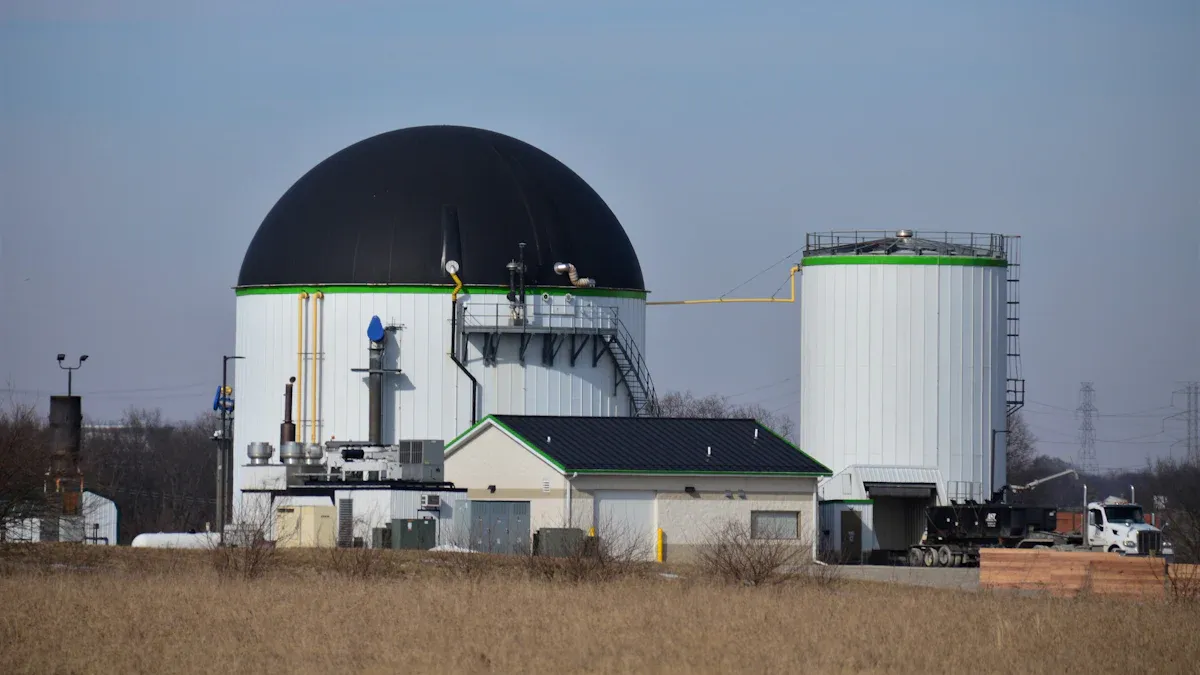
Oxygen is very important in the anaerobic digestion process. This process breaks down organic matter without using oxygen. Microorganisms, like bacteria, grow well in this setting. They change waste into biogas, which mainly has methane and carbon dioxide. However, adding a little oxygen can make this process better. When you add oxygen through micro-aeration, it helps certain microorganisms grow. These microorganisms can help get rid of hydrogen sulfide (H2S) from the biogas. You need to control this carefully to keep sensitive anaerobes, like methanogens, safe from oxidative stress.
H2S Formation Mechanism
H2S forms during anaerobic digestion mostly because of protein breakdown. Here are the main ways H2S forms:
Protein is the main source of H2S in food waste digestion.
Sulfides make up 20–70% of total sulfur in the mixed fermentation liquor during fermentation.
Bacteria break down proteins, which leads to sulfide production. Also, sulfate-reducing bacteria (SRB) change sulfate to sulfide in the early stages of fermentation.
Adding oxygen greatly affects how fast H2S forms. Studies show that putting oxygen in anaerobic reactors can remove about 98% of H2S. In different setups, H2S removal efficiency is over 98%, with elemental sulfur as the main product. This shows how oxygen generators for biogas can really improve biogas quality by lowering harmful H2S levels.
Benefits of Oxygen Generators for Biogas
Cost-Effectiveness
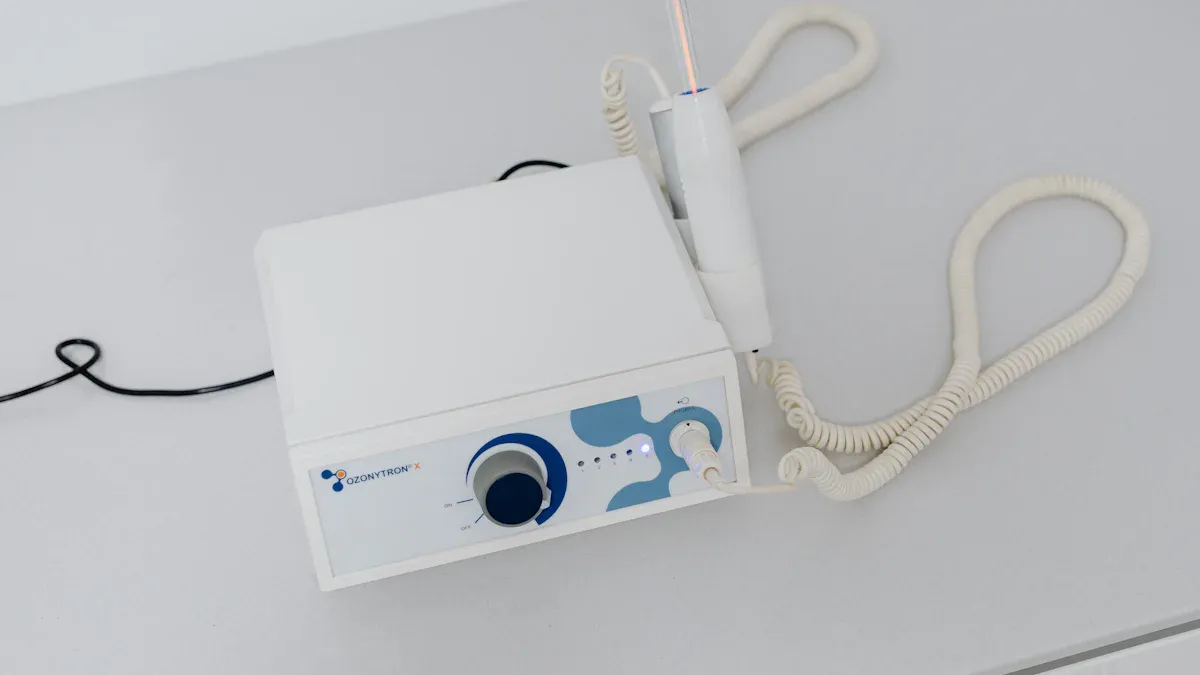
Using oxygen generators for biogas can save a lot of money. They help make more methane and speed up waste breakdown. This means you get more energy from the same waste. Here are some important points about how oxygen generators save money:
Reduced Operational Costs: You save on delivery fees by not needing bulk oxygen deliveries.
Energy Efficiency: Advanced Pressure Swing Adsorption (PSA) technology makes oxygen in a way that saves energy, which helps you save money over time.
Lower Desulfurization Costs: Using oxygen generators can cut desulfurization costs to as low as $0.03/Nm3 when you make oxygen on-site.
Evidence | Description |
|---|---|
Cost Savings | Removing hydrogen sulfide with oxygen is cheaper than using iron salts or activated carbon. |
Operational Efficiency | You lower costs by not needing bulk oxygen deliveries and using energy better. |
Environmental Impact | Oxygen generators are good for the environment and make maintenance easier. |
Environmental Impact
Oxygen generators also help the environment. Using these systems can lower your carbon footprint in many ways:
Lower Emissions: Making oxygen on-site reduces transportation emissions, making biogas production cleaner.
Increased Efficiency: Better biogas production means more renewable energy, which helps cut down on fossil fuel use.
Waste Reduction: Processing organic waste well means less landfill use, helping create a better waste management system.
Key Point | Description |
|---|---|
Lower Emissions | Making oxygen on-site cuts down transportation emissions. |
Increased Efficiency | Better biogas production means more renewable energy. |
Waste Reduction | Efficient processing of organic waste means less landfill use. |
How Oxygen Generators Function
Oxygen generators are very important for improving biogas quality. They do this by removing hydrogen sulfide (H2S) effectively. Knowing how these systems work helps you see their benefits in making biogas.
Pressure Swing Adsorption (PSA)
Pressure Swing Adsorption (PSA) is a common way oxygen generators make oxygen for biogas. This process has several main steps:
Step | Description |
|---|---|
1 | Air Compression and Filtration: Air from outside is compressed and cleaned to remove dirt. |
2 | Adsorption: Clean air goes through zeolite, which traps nitrogen and lets oxygen pass. |
3 | Desorption and Regeneration: The full adsorbent bed is refreshed by lowering pressure to release nitrogen. |
4 | Cyclic Operation: The system switches between two towers to keep a steady oxygen supply. |
5 | Oxygen Storage and Delivery: The oxygen made is stored and sent out at controlled pressure and flow. |
This method lets you create oxygen on-site, which is good for the environment and saves money. You can adjust the oxygen levels to fit your biogas needs, usually between 90% and 95%. This careful delivery cuts costs compared to using bottled oxygen.
Microaeration Techniques
Microaeration techniques add small amounts of oxygen into the biogas fermenter. This helps lower H2S levels by changing H2S into elemental sulfur. Here are some key points about microaeration:
Microaeration lowers H2S levels without hurting organic matter removal or methane production.
Research shows that adding a little dissolved oxygen (DO) at 0.2–0.3 mg L−1 can almost stop H2S generation.
Full-scale projects in Europe show that microaeration can handle different biogas flow rates and H2S levels, improving both organic matter breakdown and methanogenic activity.
Adding oxygen generators to your biogas plant is easy. Bringing in gaseous oxygen helps change H2S, keeping your biogas system working well. Making oxygen on-site gives you a steady and reliable oxygen supply, so you don’t need outside sources.
In conclusion, oxygen generators are very important for improving biogas quality. They lower harmful hydrogen sulfide (H2S) levels. This helps protect your equipment and increases methane production. Here are some important findings from recent studies:
Key Findings | Description |
|---|---|
Greatly increases how flammable biogas can be. | |
Lean Conditions | The effect of oxygen is stronger when the flame is lean. |
Upper Limits | Less effect at the upper limits; the fuel jet controls blowout. |
Lower Limits | Controlled by the swirling flow at the lower limit. |
Using oxygen generators supports sustainability goals. They help save energy and reduce carbon footprints. By using these technologies, you help create a cleaner environment and improve biogas production. Take advantage of oxygen generators to boost your biogas quality today! 🌱
FAQ
What is the main benefit of using oxygen generators in biogas production?
Oxygen generators lower hydrogen sulfide (H2S) levels in biogas. This makes biogas better, protects equipment, and boosts methane production. This leads to more efficient energy creation.
How do oxygen generators affect the anaerobic digestion process?
Oxygen generators help certain microorganisms grow that remove H2S. This helps break down waste better while keeping methanogenic bacteria healthy.
Can I integrate oxygen generators into my existing biogas system?
Yes, you can easily add oxygen generators to your current biogas setup. They give a steady oxygen supply, helping you improve H2S removal without big changes to your system.
Are there any environmental benefits to using oxygen generators?
Absolutely! Oxygen generators cut down transportation emissions by making oxygen on-site. They also boost renewable energy production, which helps lower carbon footprints and improve waste management.
How much does it cost to implement oxygen generators?
The cost depends on your system's size and needs. However, using on-site oxygen generators can greatly reduce operational costs compared to traditional methods, making them a smart choice.