The role of nitrogen gas manufacturers in sustainable industry practices


Nitrogen gas is very important in many industries. More of it is being made and used now. The market is expected to grow from about USD 23.95 billion in 2023 to around USD 42.68 billion by 2030. This growth shows that more people want sustainable practices. Nitrogen gas manufacturers use new technologies to save energy and cut down waste. They use renewable energy sources and cleaner production methods. This helps them lower their carbon footprints a lot. These efforts follow environmental rules and also show responsibility in the industry.
Key Takeaways
Nitrogen gas makers help industries make less waste. They do this by producing nitrogen where it is needed. This cuts down on using disposable cylinders and prevents gas leaks.
Using nitrogen makes safe, oxygen-free spaces. These spaces protect products and improve quality. They also lower spoilage in food, electronics, and chemicals.
Making nitrogen on-site saves energy and lowers costs. It also reduces carbon emissions by avoiding transportation and using cleaner methods.
Nitrogen gas makes places safer. It prevents fires and explosions in areas with flammable materials. It does this through oxygen displacement and purging methods.
Industries like agriculture, food packaging, and pharmaceuticals gain from nitrogen. It helps keep products fresh, safe, and stable while supporting sustainability.
Waste Reduction
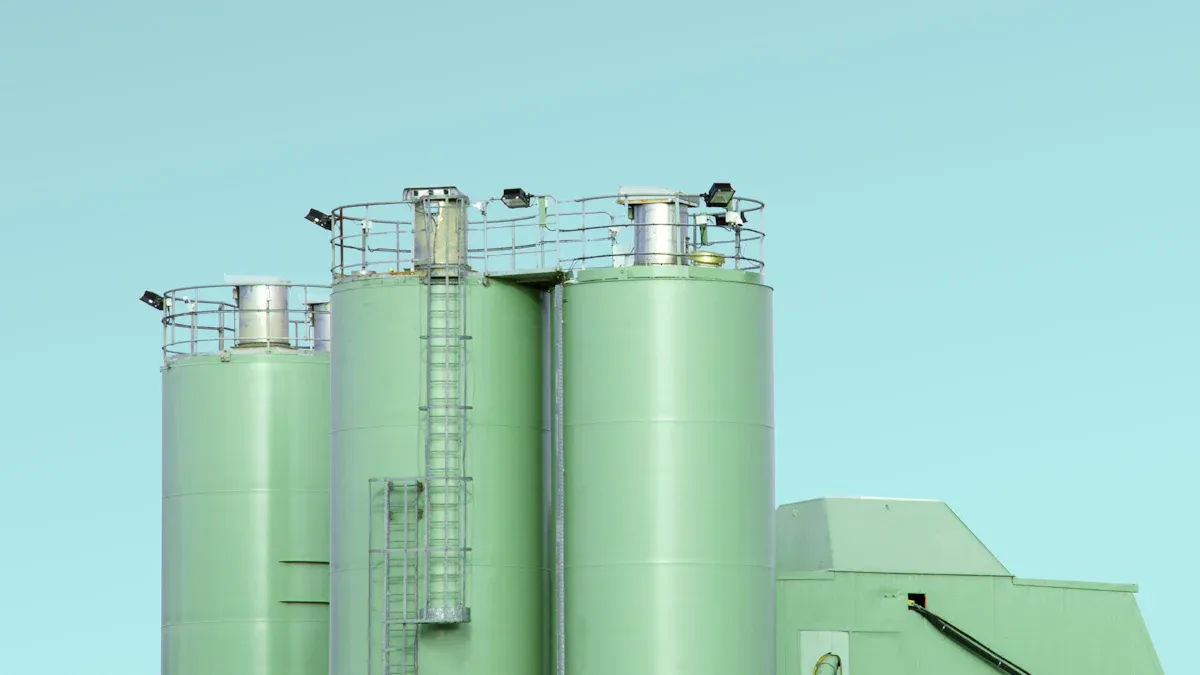
Nitrogen gas is very important for reducing waste in many industries. When manufacturers make nitrogen on-site, they do not need disposable nitrogen cylinders. These cylinders often go to landfills and create waste. Also, stored nitrogen gas can leak. This can waste up to 10% of the product before it is used. Making nitrogen on-site cuts down on physical waste and stops nitrogen gas loss. This makes the production process more efficient.
Inert Atmosphere Benefits
Using nitrogen gas to create an inert atmosphere helps reduce waste a lot. In metal fabrication, nitrogen stops oxidation during welding and cutting. This protective environment makes stronger and cleaner welds. It also cuts down on post-weld cleanup and chemical use. Nitrogen's inert properties help manage heat better. This stops overheating and distortion.
In food processing, nitrogen gas replaces oxygen in packaging. This is very important for keeping food fresh. Oxygen causes spoilage by promoting microbial growth and oxidation. By using nitrogen, manufacturers can make food last longer without harmful chemical preservatives. This method keeps food quality high and reduces waste from spoiled products.
Reducing Contamination
Nitrogen gas manufacturers help reduce waste by creating spaces that limit contamination. In electronics manufacturing, nitrogen replaces oxygen and moisture. These are big threats to sensitive parts. This process makes sure soldering and packaging happen in a clean atmosphere. This leads to better quality and reliability of electronic devices.
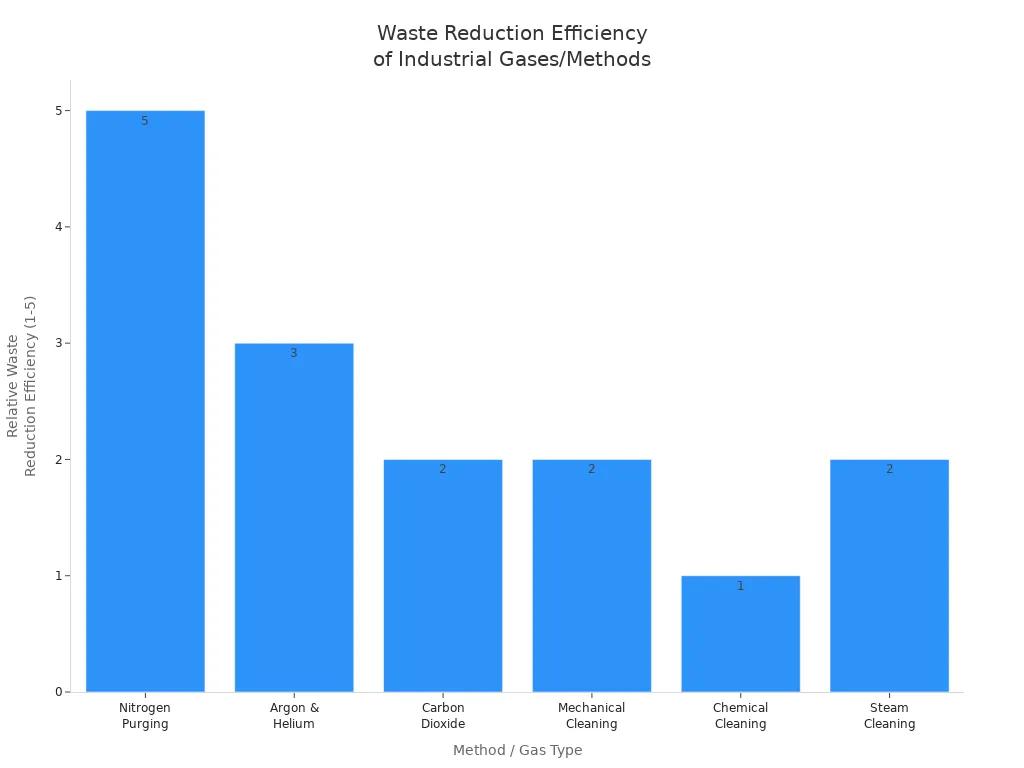
Also, nitrogen's inert nature lets it be used in many ways, like purging and blanketing. These methods stop oxidation and contamination, which improves product quality. For example, in chemical manufacturing, nitrogen-free environments lower nitrogen pollutant emissions, like NOx, compared to regular methods. Research shows that using nitrogen in chemical looping gasification technology greatly reduces nitrogen waste and emissions. This shows how effective it is in supporting sustainable practices.
Energy Efficiency

Energy efficiency is very important for nitrogen gas manufacturers. They use new technologies to save energy and cut costs.
On-Site Generation
On-site nitrogen generation systems have changed how industries get nitrogen. These systems make nitrogen gas when needed, which saves a lot of energy. Here are some main benefits of on-site generation:
Lower Costs: On-site nitrogen generation lowers total nitrogen costs and energy use. Operating costs for these systems can be about $0.06 to $0.45 per 100 cubic feet. This is cheaper than $0.40 to over $3.00 for traditional supply methods.
Reduced Waste: On-site systems stop energy waste from bulk liquid nitrogen evaporation and cylinder bleed-off. This can waste around 10-25% of nitrogen.
Tailored Production: These systems let manufacturers adjust nitrogen purity to fit their needs. This stops unnecessary energy use when ultra-high purity nitrogen is not needed.
Energy Efficiency: New improvements in nitrogen generation technology have made energy use better. For example, systems go into standby mode when not in use, saving energy.
By using on-site generation, manufacturers also lower the carbon footprint from transporting nitrogen. This change helps improve efficiency and supports sustainability goals.
Lowering Carbon Footprint
Nitrogen gas manufacturers help lower carbon emissions with on-site generation. Not needing transportation and storage cuts down carbon emissions from delivery trucks. Also, on-site systems make nitrogen with less fossil fuel, which lowers greenhouse gas emissions.
Key points about reducing carbon footprints include:
Minimized Leaks: On-site systems lower nitrogen leaks and risks of environmental contamination compared to traditional supply methods.
Renewable Energy Integration: Many on-site systems can use renewable energy sources, which further reduces carbon footprints.
Waste Reduction: By making nitrogen on-site, manufacturers avoid waste and packaging from nitrogen cylinders or liquid nitrogen dewars.
Overall, on-site nitrogen generation not only improves energy efficiency but also helps promote sustainable practices in many industries.
Safety Enhancements
Nitrogen gas is very important for safety in many industries. Its special properties help lower risks of fire, explosions, and contamination. By creating a safe atmosphere, nitrogen gas manufacturers help industries work more safely.
Inerting Applications
Inerting applications use nitrogen to push out oxygen in places with flammable materials. This process is key to stopping fires. For example, in chemical plants, nitrogen lowers oxygen levels in storage tanks and reactors. This keeps dangerous chemicals from catching fire.
Nitrogen does not catch fire and pushes out oxygen, which is needed for fires.
Studies in oil refineries show how nitrogen stops explosions and fires.
Continuous nitrogen purging keeps oxygen levels low, making things safer.
Using nitrogen purging methods, like dilution and vacuum purging, helps lower oxygen levels even more. These methods make sure oxygen does not get too high, reducing fire and explosion risks in places that handle flammable materials.
Handling Hazardous Materials
Handling hazardous materials safely is very important. Nitrogen gas can help improve safety in this area. Here are some best practices for using nitrogen when handling dangerous materials:
Train all workers on safe handling and risks of nitrogen gas.
Give workers the right personal protective equipment (PPE), like safety glasses and gloves.
Store nitrogen cylinders in dry, well-ventilated areas away from heat.
Clearly label cylinders to avoid mistakes and ensure safe use.
By following these tips, industries can lower the risks of using nitrogen gas. Regular checks and maintenance also help find leaks and keep operations safe. Overall, nitrogen gas improves safety in industrial practices, making it a key part of modern manufacturing and processing.
Industry Solutions
Nitrogen gas is very important in many industries. It provides special solutions that help with efficiency and sustainability. Its uses in farming, food packaging, and medicine show how useful it is.
Agriculture Applications
In farming, nitrogen gas helps keep stored grains fresh. It replaces oxygen in storage areas, which stops spoilage, oxidation, and pests. This process makes grains last longer and keeps their nutrients. On-site nitrogen systems are cost-effective and sustainable for specific storage needs. These systems improve control and safety by not needing outside nitrogen deliveries.
Specialty gases like nitrogen are key for keeping crops fresh.
Metro Welding Supply Corp. offers custom nitrogen solutions for farmers.
Their services include expert advice to use nitrogen better.
Focus on sustainability ensures a steady nitrogen supply.
Food Packaging Innovations
Nitrogen gas greatly helps food packaging by making food last longer and reducing spoilage. Modified Atmosphere Packaging (MAP) uses nitrogen instead of oxygen, which slows spoilage in fresh fruits, meats, and dairy. This safe environment keeps food fresh and cuts down on chemical preservatives.
Vacuum sealing takes out air, stopping bacteria in cheese and processed meats.
High-barrier packaging films protect grains and snacks from moisture and oxygen.
New ideas include smart packaging with IoT sensors to check freshness.
Recent studies show that nitrogen packaging improves food safety by keeping texture, flavor, and smell. It creates a low-oxygen space that stops germs from growing, meeting consumer needs for clean-label products.
Pharmaceutical Uses
In the medicine field, nitrogen gas has many important jobs. It acts as an inert gas to stop oxidation and damage to sensitive products. Nitrogen is used in packaging to make products last longer and reduce moisture.
Pharmaceutical Use | Description |
|---|---|
Protects drugs that are sensitive to oxygen from damage. | |
Purging and Sparging | Takes out dissolved oxygen during making sterile drugs. |
Freeze Drying | Keeps low pressure and temperature during freeze-drying to maintain stability. |
Controlled Atmosphere Storage | Replaces oxygen to slow down the damage of bulk drugs and raw materials. |
Nitrogen's inert qualities help keep products safe by stopping unwanted chemical reactions. This reliability supports consistent quality and meets regulations in medicine manufacturing.
Nitrogen gas manufacturers are very important for helping industries be more sustainable. They reduce waste by using new technologies that create safe environments. This improves product quality and cuts down on spoilage. Energy-saving systems that make nitrogen on-site also lower carbon emissions and costs. Plus, these manufacturers make things safer by creating non-reactive spaces that reduce fire risks.
As more industries use these sustainable methods, they support global efforts to cut nitrogen waste and care for the environment. The future of nitrogen gas looks bright, with signs showing a move towards smarter, eco-friendly solutions that help both the economy and the planet.
FAQ
What is nitrogen gas used for in industries?
Nitrogen gas has many uses. It helps create safe environments, keeps food fresh, and improves safety in chemical work. Because it does not react easily, it stops oxidation and contamination. This makes it very important for making and storing products.
How does nitrogen gas reduce waste?
Nitrogen gas cuts down on waste by stopping food from spoiling in packaging. It also creates safe spaces in manufacturing. On-site systems make nitrogen, which means less need for disposable cylinders. This lowers physical waste and product loss.
What are the safety benefits of nitrogen gas?
Nitrogen gas makes things safer by pushing out oxygen in places with flammable materials. This safe environment lowers the chances of fires and explosions. This is very important in industries like chemicals and oil refining.
How does on-site nitrogen generation improve sustainability?
On-site nitrogen generation helps lower emissions from transportation and saves energy. It lets industries make nitrogen when they need it. This reduces waste and carbon footprints while helping manage resources better.
Can nitrogen gas be used in agriculture?
Yes, nitrogen gas is very important in farming. It helps keep stored grains fresh. It replaces oxygen in storage areas, which stops spoilage and pests. This helps grains last longer and keeps their nutrients.