How Nitrogen is Revolutionizing the Oil and Gas Industry


Nitrogen is very important in the oil and gas industry, and one of the key questions is, what are the uses for nitrogen? It changes how things work and makes them better, which helps with safety, efficiency, and protecting the environment. In 2023, the chemical industry used more than 36 million metric tons of nitrogen, primarily for making ammonia and urea. This highlights how crucial nitrogen is. You gain from nitrogen's safe properties, as it lowers the chances of fires and explosions in dangerous places. Additionally, nitrogen helps save energy, aligning with goals to protect the environment.
Key Takeaways
Nitrogen makes pipelines safer. It creates a safe atmosphere. This lowers the chances of fire and explosions.
Using nitrogen for pressure tests is safer. It is also more efficient than old methods. This is especially true in cold weather.
Nitrogen injection helps get more oil out. This makes extraction better and cheaper.
In LNG operations, nitrogen keeps things cold. It also provides insulation. This helps keep processes safe and efficient.
On-site nitrogen generators help operations run better. They provide a steady supply. This cuts costs and improves safety.
Nitrogen in Pipelines
Nitrogen is very important for pipeline work in the oil and gas industry. It has many uses that make things safer and more efficient. Here are some main uses of nitrogen in pipelines:
Pipeline Purging: Nitrogen helps remove unwanted gases or dirt. This keeps the materials in the pipeline safe.
Pressure Testing: You can use nitrogen to check if the pipeline is strong. It finds leaks and weak spots to keep operations safe.
Pipe Freezing: Nitrogen cools parts of the pipe to make a solid plug. This lets workers fix things without stopping the whole system.
Pipeline Cleaning: Nitrogen helps push cleaning tools through the pipeline. This removes dirt and checks the inside.
Pipeline Purging
When you purge a pipeline with nitrogen, you make a safe atmosphere. This greatly lowers the chance of fire and explosion. Nitrogen's safe properties stop oxidation, which can cause rust. Here are some benefits of nitrogen purging:
Evidence Description | Explanation |
|---|---|
Nitrogen's inert properties prevent oxidation | By replacing oxygen with nitrogen, oxidation is preventable, which improves pipeline integrity. |
Nitrogen purging removes moisture, reducing risks of corrosion and contamination. | |
Slows down corrosion process | Keeping pipelines dry and free from reactive gases extends their lifespan and reliability. |
Using nitrogen for purging also makes operations safer. You must check oxygen levels during the process to stay safe. Workers need to wear protective gear during nitrogen purging to avoid injuries.
Pressure Testing
Nitrogen pressure testing is a safer choice than other methods. It does not catch fire and is not toxic, which cuts fire and explosion risks. Unlike compressed air, nitrogen does not help fires, making it better for safety. Here are some benefits of using nitrogen for pressure testing:
Cold-weather environments: Nitrogen works well in freezing temperatures, making it good for winter tests.
Moisture-sensitive systems: Nitrogen stops rust or dirt since it is a dry gas.
Eliminating drying time: Reduces waiting time by not needing to dry water from the pipeline.
Cost efficiency for smaller systems: Faster and cheaper for small pipes or parts.
Non-flammable and inert: Lowers risks compared to air or oxygen tests.
Reduced environmental impact: No need to dispose of or dry things after testing.
Personnel safety: A controlled process keeps everyone safe during testing.
What are the Uses for Nitrogen in Oil Fields
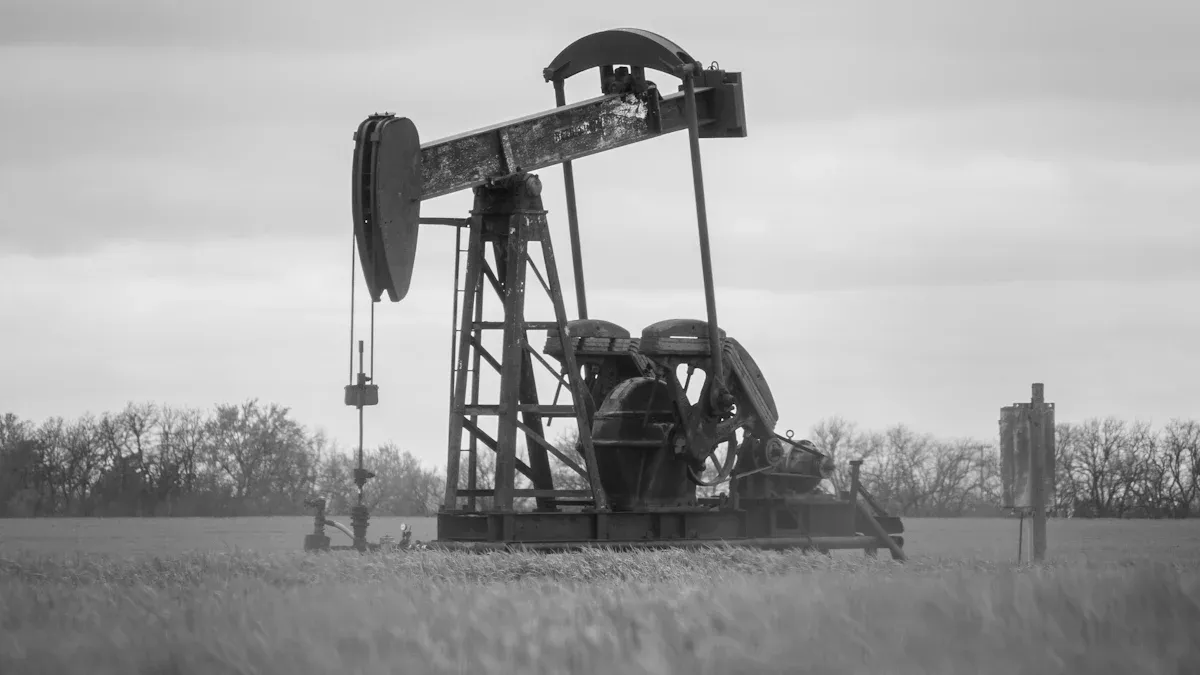
Nitrogen is very important in oil field work. It helps get more oil and keeps things safe during extraction. Here’s how nitrogen helps in these key areas:
Enhancing Recovery
You can greatly increase oil recovery rates by using nitrogen in different ways. Here are some main uses:
Enhanced Oil Recovery (EOR): Nitrogen injection helps get more oil by pushing it out. This method lets oil flow better, making it easier to collect.
Well Pressurization: Nitrogen keeps the pressure in the reservoir steady. This helps get oil out more efficiently and stops the well from drying up too fast.
Gas Lift: This method boosts oil extraction in older wells by 200% to 300%. Nitrogen helps bring the oil to the surface, making it easier to gather.
Non-corrosive Properties: Nitrogen does not harm borehole pipes. This helps your equipment last longer and cuts down on repair costs.
Underbalanced Drilling: By pushing out oxygen, nitrogen stops rust and helps keep the well strong. This makes drilling safer.
Here’s a summary of how nitrogen helps productivity in oil fields:
Use of Nitrogen | Contribution to Productivity |
|---|---|
Enhanced Oil Recovery (EOR) | Increases oil recovery by pushing it out. |
Well Pressurization | Keeps reservoir pressure steady, helping extraction. |
Gas Lift | Boosts oil extraction in older wells by 200% to 300%. |
Non-corrosive properties | Protects borehole pipes, helping them last longer. |
Underbalanced Drilling | Pushes out oxygen, stopping rust and keeping the well strong. |
Safety and Stability
Safety is very important in oil field work. Nitrogen injection helps stop blowouts and keeps wells stable. Here’s how:
Balancing Well Pressure: Nitrogen injection helps keep well pressure balanced. This is key to stopping blowouts during work.
Inert Medium: It provides a safe medium that does not harm the reservoir. This keeps operations safe and protects nature.
Hydrostatic Pressure Reduction: By lowering hydrostatic pressure, nitrogen helps fluids flow back into the well. This helps get production back on track.
You can also use nitrogen generators for better oil extraction. These generators give you nitrogen when you need it, cutting down on waiting time and ensuring a steady supply. Here are some benefits of using nitrogen generators:
Advantage | Description |
|---|---|
On-site nitrogen generation gives a steady supply, boosting productivity. | |
Better Safety | Lowers risks from handling high-pressure gas tanks, making the workplace safer. |
Increased Control and Flexibility | Lets you easily change nitrogen flow rates and purity, improving how it fits into processes. |
Using nitrogen in oil fields not only increases productivity but also improves safety and helps the environment. Its safe nature stops flammable situations, making it a better choice than other gases.
Applications in Petrochemical Processes
Nitrogen is very important in petrochemical processes. It helps chemical reactions and improves product quality. By keeping environments inert, nitrogen stops dangerous reactions that could cause explosions. This safety step is very important in petrochemical plants.
Chemical Reactions
You can use nitrogen to create safe conditions for chemical reactions. Here are some key benefits:
Inert Environment: Nitrogen helps keep an inert atmosphere. This stops unwanted reactions that could disrupt processes.
Purging Equipment: You can purge equipment with nitrogen to remove reactive gases. This makes operations safer and more efficient.
Pressure Maintenance: Nitrogen keeps pressure in closed systems. This helps overall process stability and efficiency.
These factors make petrochemical processes more efficient. You can get better results while reducing risks.
Product Quality
Nitrogen also helps ensure product quality. Here’s how:
Contamination Prevention: By replacing oxygen, nitrogen lowers the risk of contamination. This keeps products pure and reliable.
Stability Enhancement: Nitrogen helps stabilize products during storage and transport. This makes sure the quality stays high until the product reaches its final destination.
Controlled Reactions: You can control chemical reactions better with nitrogen. This leads to consistent product quality and fewer variations.
Using nitrogen in petrochemical processes not only improves safety but also boosts the quality of the final products. You can trust that nitrogen will help you get better results in your operations.
Importance in LNG Operations
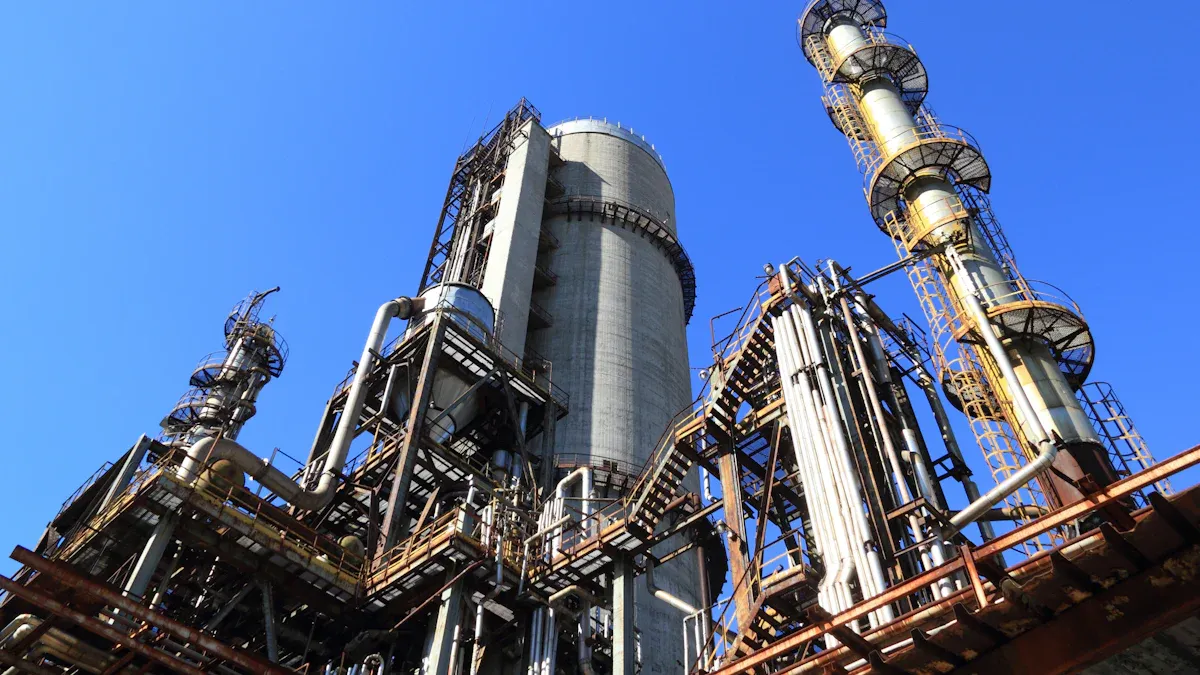
Nitrogen is very important in liquefied natural gas (LNG) operations. Its special properties make it necessary for many uses, especially in very cold places.
Cryogenic Applications
In LNG operations, you often work with very low temperatures. Nitrogen helps keep these temperatures steady. Here are some main uses:
Cooling Agent: Nitrogen cools things during the liquefaction process. It helps turn natural gas into a liquid, making it easier to move.
Insulation: You can use nitrogen to insulate storage tanks. This stops heat from getting in, keeping the LNG at the right temperature.
Pressure Control: Nitrogen keeps pressure in storage tanks. This helps operations stay safe and efficient.
Using nitrogen in these cold applications makes LNG operations safer and better.
Safety Measures
Safety is very important in LNG operations. Nitrogen helps keep a safe working area. Here’s how:
Inert Atmosphere: Nitrogen creates a safe atmosphere. This lowers the chances of fire and explosion during work.
Leak Detection: You can use nitrogen to find leaks. By putting pressure in systems with nitrogen, you can spot leaks without using flammable gases.
Emergency Response: In emergencies, nitrogen can help control fires. Its non-flammable nature makes it a good choice for putting out fires.
By knowing the uses for nitrogen in LNG operations, you can see how important it is for safety and efficiency. Nitrogen not only helps with cold applications but also makes sure safety measures protect workers and the environment.
Use in Pigging and Pipeline Cleaning
Nitrogen is very important for pigging and cleaning pipelines. You can use nitrogen to make cleaning better and reduce downtime. Here’s how it works:
Cleaning Techniques
Using nitrogen to clean pipelines has many benefits. Here are some good cleaning methods:
Purging and Inerting Pipelines: Nitrogen makes a safe, non-reactive space. This stops oxidation and rust, keeping operations safe.
Drying Pipelines: After fixing things, nitrogen helps dry the pipelines. This stops moisture from building up, which can cause rust.
Displacing Flammable Gases: Nitrogen pushes out oxygen and other flammable gases. This lowers explosion risks, especially in sensitive spots.
These methods not only make things safer but also improve how well your operations run.
Minimizing Downtime
You can greatly cut down on pipeline downtime by using nitrogen for cleaning. Here are some main benefits:
Reduced Plant Downtime: Nitrogen services help keep your plant running. This means more productivity.
Operational Efficiency: Using nitrogen to displace gas and recompress it makes operations work better. This helps you get back to work quickly.
Lower Maintenance Costs: By stopping rust and moisture buildup, nitrogen cuts future maintenance costs. This saves you money over time.
Using nitrogen in your pigging and pipeline cleaning not only makes things safer but also increases efficiency. You can count on nitrogen to help you keep your pipelines in good shape while reducing downtime and costs.
Nitrogen is very important for changing the oil and gas industry. It helps make things safer, more efficient, and better for the environment. Here are some main effects of nitrogen:
The COVID-19 pandemic caused a 30% drop in nitrogen dioxide (NO2) emissions in big production areas like the Permian Basin.
New technology, like on-site nitrogen generators and Pressure Swing Adsorption (PSA), makes operations better and cuts costs.
As you look into nitrogen's possibilities, think about how it can improve work and help create a greener future in the oil and gas industry. 🌍
FAQ
What does nitrogen do to help get more oil?
Nitrogen helps get more oil by pushing it into reservoirs. This raises pressure and brings more oil to the surface. Methods like Enhanced Oil Recovery (EOR) use nitrogen to make extraction much better.
How does nitrogen make pipelines safer?
Nitrogen makes pipelines safer by creating a non-reactive atmosphere. This lowers the chances of fire and explosion during work. It also stops rust and damage, keeping the pipeline strong.
Can nitrogen help the environment?
Yes, nitrogen helps the environment. Using it in operations cuts down emissions and lowers spill risks. Also, nitrogen's non-reactive nature stops harmful reactions, making practices safer in the oil and gas industry.
What are nitrogen generators, and why are they useful?
Nitrogen generators make nitrogen on-site, giving a steady supply for work. They boost efficiency, lower costs, and improve safety by removing the need for high-pressure gas tanks. This flexibility helps with many tasks in the industry.
How does nitrogen help in LNG operations?
Nitrogen is very important in LNG operations because it keeps low temperatures and provides insulation. It creates a safe, non-reactive atmosphere, lowering fire risks and helping find leaks during liquefaction and storage.