The Role of Onsite Oxygen Generators in Biogas Desulfurization

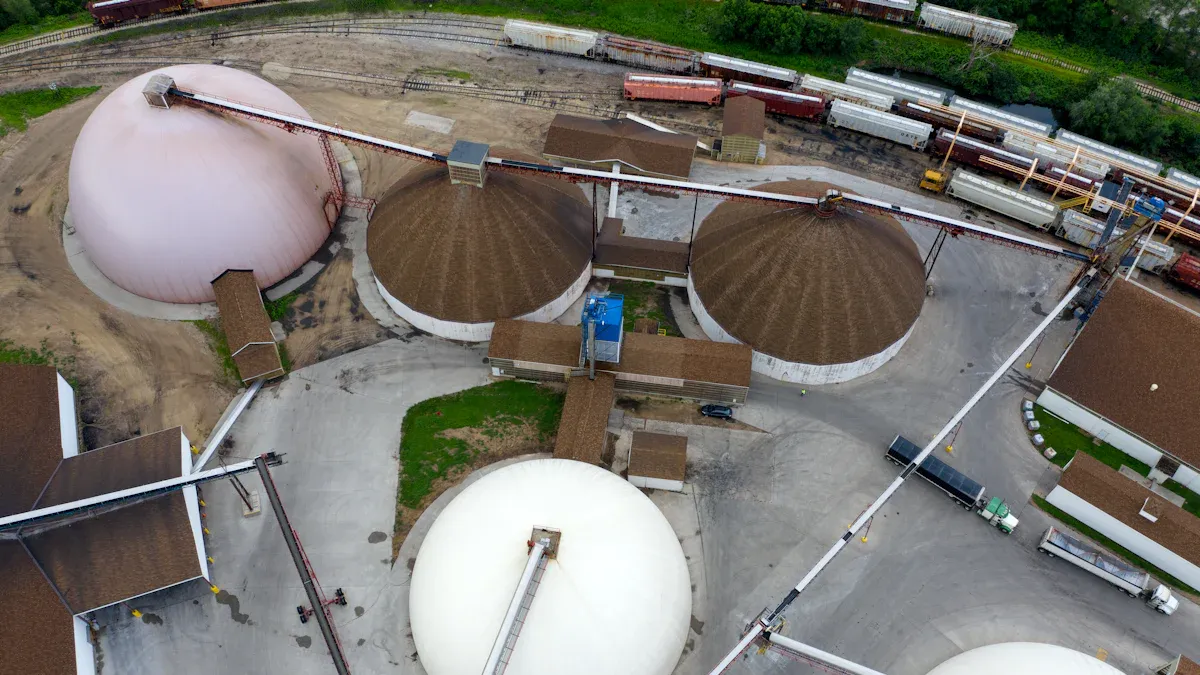
Biogas production is crucial for clean energy, and recent data shows it is steadily increasing. In 2020, biogas production reached approximately 1.46 exajoules. This growth highlights the importance of managing biogas quality effectively, particularly by controlling hydrogen sulfide (H₂S) levels. Using oxygen generators for biogas onsite significantly enhances the cleaning process by adding oxygen to the system. This addition supports bacteria in breaking down H₂S, reducing corrosion risks and improving safety at biogas facilities.
Key Takeaways
Onsite oxygen generators give a constant supply of oxygen. This helps bacteria get rid of harmful hydrogen sulfide (H₂S) from biogas. It makes the biogas safer and better.
Adding oxygen to biogas systems stops rust, cuts repair costs, and makes methane cleaner for energy use.
Biological desulfurization works best with the right oxygen levels, moisture, nutrients, and time. This makes onsite oxygen control very important for removing H₂S effectively.
Using onsite oxygen generators saves money and reduces risks. They remove the need to transport and store oxygen tanks. They also provide flexible and reliable operation.
Real-world examples show that onsite oxygen generators can remove over 99% of H₂S. They also increase methane purity and help equipment last longer. This proves their importance in biogas plants.
Oxygen's Role in Biogas
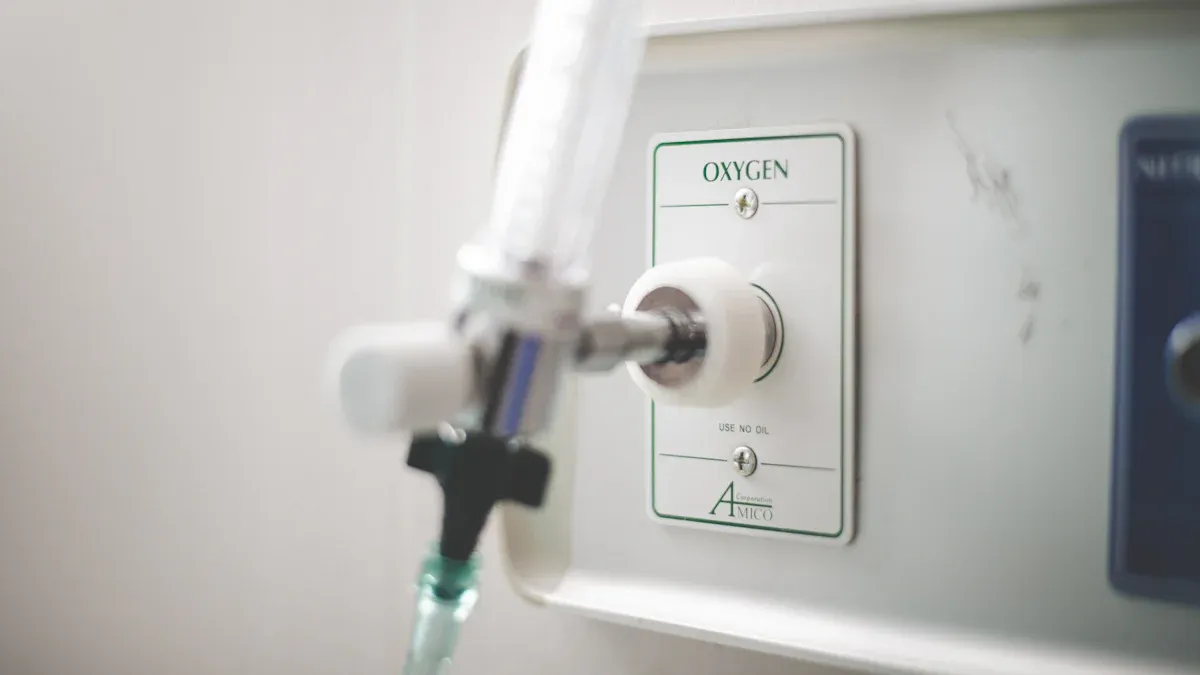
Oxygen is very important for cleaning biogas. It helps tiny living things change hydrogen sulfide (H₂S) into sulfur and water. This process keeps equipment safe from damage and improves biogas quality. By adding oxygen to the top of the biogas tank, facilities can help this natural process without using chemicals or complicated machines.
Benefits of Oxygen Addition
Adding oxygen to biogas systems has many big benefits:
Enhanced Sulfide Removal: Oxygen helps sulfur-oxidizing bacteria (SOB) change H₂S into sulfur and sulfate. This change lowers the amount of sulfide. Research shows that keeping the right amount of dissolved oxygen can remove up to 90% or more of sulfide.
Improved Biogas Purity: Oxygen can take the place of air in biotrickling filters. This change removes nitrogen, making biogas cleaner for other uses.
Reduced Corrosion: By getting rid of harmful H₂S early, adding oxygen helps prevent damage in biogas facilities. This means lower repair costs and longer-lasting equipment.
Operational Flexibility: On-site oxygen generators for biogas give a steady supply of oxygen. This helps control how much oxygen is added, which is key for removing H₂S effectively.
Impact on Biogas Quality
Adding oxygen greatly improves biogas quality. Studies show that it can lower H₂S levels by about 98% when using around 0.96 NL/Nm³ of biogas. Using less oxygen means less removal efficiency, so keeping the right oxygen levels is important.
Also, the process of cleaning does not harm anaerobic digestion. Instead, it helps biogas meet standards for both O₂ and H₂S. Certain types of bacteria, like Lentimicrobiaceae and Rhodobacteraceae, do well in these conditions, helping to break down H₂S even more.
H₂S Removal Processes
Managing hydrogen sulfide (H₂S) is very important for keeping biogas quality high. There are two main ways to remove H₂S: biological desulfurization and chemical methods. Each method works differently and has its own needs.
Biological Desulfurization
Biological desulfurization uses tiny living things to change H₂S into safer substances. This usually happens in places like biofilters, biotrickling filters, and bioscrubbing towers. Special groups of bacteria, like chemolithoautotrophs and anoxygenic photoautotrophs, are key in this process. They turn H₂S into elemental sulfur and sulfate, which lowers H₂S levels in biogas.
Several important factors affect how well biological desulfurization works:
Residence Time: Longer times usually mean better removal rates. For example, biofilters can remove H₂S by about 82.6% to 91.1% when conditions are just right.
Nutrient Availability: Giving enough nutrients helps bacteria grow and work better, improving the desulfurization process.
Moisture Content: Keeping the right moisture levels is crucial for bacteria to work and remove H₂S effectively.
There are challenges in biological systems, like the buildup of elemental sulfur, which can block filters and need fixing. It’s important to keep checking H₂S levels to make sure the system works well and stays safe.
Chemical Methods
Chemical methods for H₂S removal use different reactions to change H₂S into safe substances. Common chemical processes include absorption, adsorption, and catalytic conversion.
Absorption: This method uses liquids, like amines or alkaline salts, to soak up H₂S from the gas. It can be physical or chemical absorption. For example, iron hydroxide (Fe(OH)₃) reacts with H₂S to make iron sulfide (Fe₂S₃) and water. This reaction needs moisture to work well.
Adsorption: In this method, H₂S sticks to solid materials, like activated carbon or iron oxide. While it works well, some H₂S may remain, which often needs more processing in methods like the Claus process to get elemental sulfur.
Membrane Separation: This new technology has benefits like low costs and high purity of products. Membrane technologies use polymeric and inorganic membranes to separate H₂S from biogas effectively.
The choice of method depends on what is needed for the operation and how efficient it should be. For example, advanced scrubber systems offer steady and cost-effective biogas cleaning, making sure safety rules are followed.
Advantages of Oxygen Generators for Biogas
Onsite oxygen generators for biogas have many benefits. They help make operations more efficient and sustainable. These systems are a reliable and cost-effective way to manage hydrogen sulfide (H₂S) levels in biogas production.
Enhanced Control Over Production
One big advantage of onsite oxygen generators is better control over biogas production. Facilities can change oxygen levels exactly as needed. This helps improve the desulfurization process. Operators can quickly respond to changes in biogas flow rates or composition. For example, a steady oxygen supply at controlled micro-aeration levels can remove over 99% of H₂S without hurting methane quality. This control helps ensure that biogas meets safety and quality standards all the time.
Also, onsite systems get rid of the problems that come with traditional oxygen supply methods. By making oxygen on-site, facilities save money and avoid the hassle of transporting and storing oxygen cylinders. This change not only cuts costs but also makes things safer by reducing risks from handling high-pressure gas cylinders.
Continuous Supply Benefits
The constant supply of oxygen from onsite generators greatly improves biogas desulfurization. These systems provide a steady flow of oxygen, which is important for keeping biological activity high in fermenters. Continuous dosing keeps the desulfurization process stable. This allows facilities to manage higher biogas flow rates while still removing H₂S effectively. For instance, solid inoculum systems with a continuous oxygen supply do better than liquid systems, achieving higher removal rates with less oxygen.
Plus, onsite oxygen generators are designed to need less maintenance and have less downtime. The twin-tower cycle operation in pressure swing adsorption (PSA) systems switches between adsorption and regeneration. This ensures a steady oxygen supply. This design reduces wear on equipment and makes it last longer, which lowers operational costs. Facilities that switched to onsite oxygen generation see big improvements in stability and less need for maintenance.
Real-World Applications
Onsite oxygen generators work well in many biogas plants around the world. These systems use pressure swing adsorption (PSA) technology to make high-purity oxygen (90%-95%) right at the treatment sites. This helps remove hydrogen sulfide (H₂S), which protects equipment and improves biomethane quality.
Case Studies Overview
Several important case studies show how onsite oxygen generators help with biogas desulfurization:
European Livestock Biogas Plant: This facility used a VPSA system that could handle 5,000 m³/h. It achieved an amazing 99.9% desulfurization efficiency. The methane purity rose to 97%, which increased annual power generation by 15%. The plant also cut equipment corrosion by 80%, saving about $2 million each year compared to traditional liquid oxygen supply methods.
Chinese Landfill Biogas Project: This project combined membrane separation with biological desulfurization. It used membranes that resist corrosion and lasted six years. Smart controls adjusted the oxygen supply automatically, leading to an 18% drop in energy use.
These examples show how effective onsite oxygen generators are for biogas. They can lower H₂S levels from thousands of ppm to below 50 ppm.
Implementation Insights
Using onsite oxygen generators teaches important lessons for biogas facilities. Proper operation and maintenance are key for steady H₂S removal. Poor management can cause performance to vary. Micro-aeration, which means injecting oxygen onsite, has the lowest costs for setup and maintenance among scrubbers. However, it might not always work well due to issues like air injection clogging and changes in feedstock sulfur.
Training and support for operators can greatly improve scrubber performance. Regular checks on biogas quality help fix problems quickly. Also, outside factors like changing renewable energy prices and market conditions can affect how often these systems are used. Understanding these factors is important for getting the best use of oxygen generators for biogas.
Onsite oxygen generators are very important for improving biogas quality. They help control hydrogen sulfide (H₂S) levels effectively. These generators provide a steady supply of oxygen. This means facilities do not need to rely on traditional oxygen deliveries. This change lowers costs and makes operations safer. For example, at the Leeming Biogas facility, these systems help keep biological activity stable. This leads to better biogas production and fewer harmful by-products. Operators need to watch oxygen levels closely to keep conditions just right. Working with suppliers for custom solutions helps ensure support and efficiency in biogas operations.
FAQ
What is the main purpose of onsite oxygen generators in biogas facilities?
Onsite oxygen generators give a steady supply of oxygen. This helps the biological process that removes hydrogen sulfide (H₂S). It lowers H₂S levels, which makes biogas better and protects equipment from rust.
How do onsite oxygen generators compare to traditional oxygen supply methods?
Onsite oxygen generators remove the need to move and store oxygen tanks. They save money, offer flexibility, and provide a steady oxygen supply. This makes them better than older methods.
What are the benefits of reducing H₂S levels in biogas?
Lowering H₂S levels makes biogas better, increases methane purity, and cuts down on equipment rust. This means lower repair costs and safer biogas facilities.
Can onsite oxygen generators affect the anaerobic digestion process?
No, onsite oxygen generators do not hurt anaerobic digestion. They help good bacteria break down H₂S, making sure biogas is safe and meets quality standards.
What factors influence the effectiveness of biological desulfurization?
Important factors are residence time, nutrient availability, and moisture content. Keeping these factors at the right levels helps remove H₂S effectively and keeps the system working well.