The Role of Oxygen Generators in Biogas Desulfurization: Enhancing Biomethane Quality

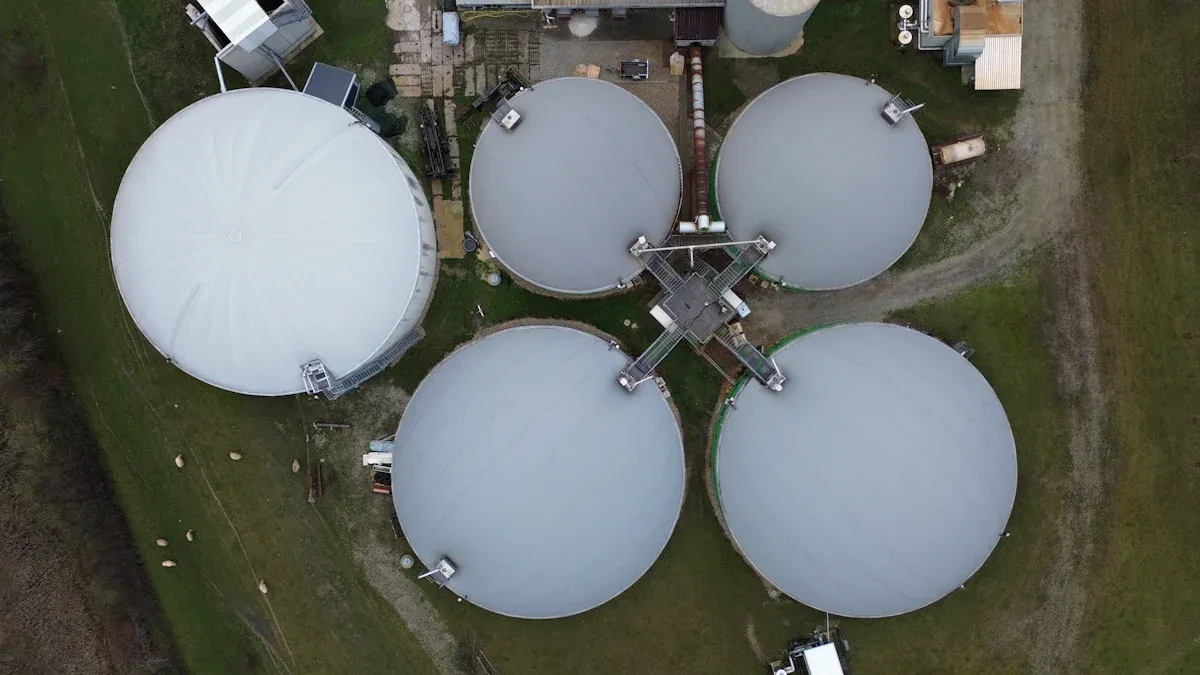
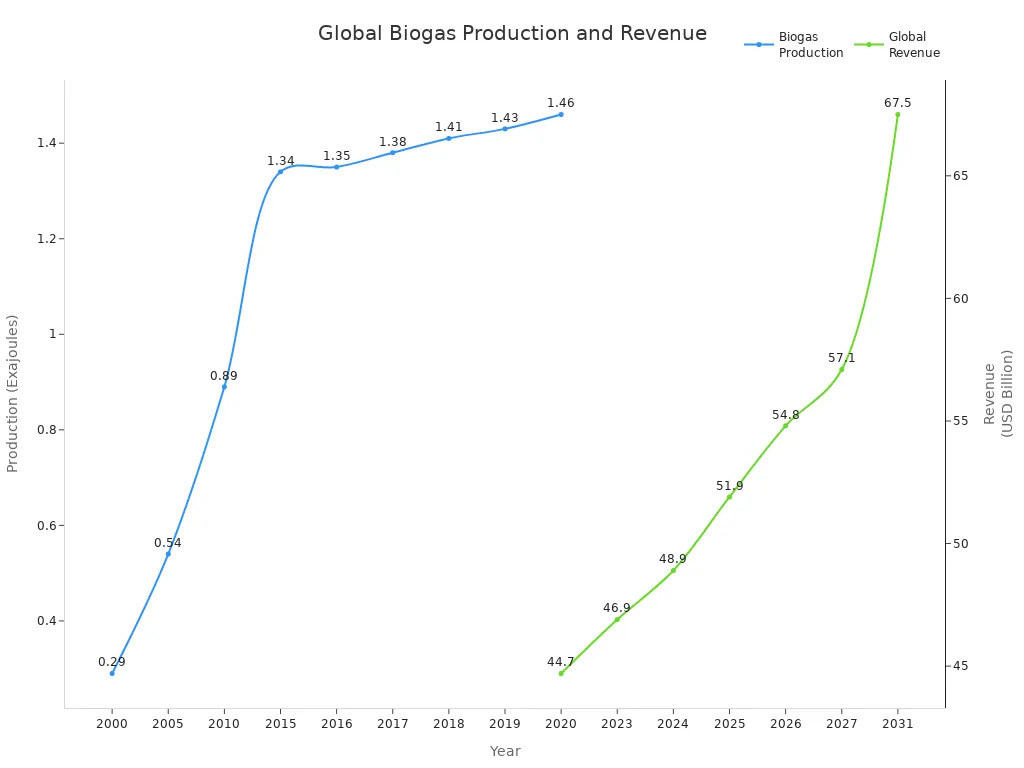
Biogas is very important for renewable energy. It provides us with a clean alternative to fossil fuels, which helps lower greenhouse gas emissions. Recently, biogas production has seen significant growth. Europe is the leader, producing about 776,905 terajoules. This indicates a rising demand for biomethane. For instance, North America's biomethane market surged from nearly nothing in 2014 to over 543 million ethanol-equivalent gallons in 2021. As you learn more, you will discover how an oxygen generator for desulfurization in biogas plays a crucial role in enhancing biomethane quality by effectively removing sulfur from biogas.
Key Takeaways
Biogas is a renewable energy source. It greatly cuts down carbon emissions when compared to fossil fuels.
Oxygen generators make biogas better by taking out harmful sulfur compounds. This helps make biomethane cleaner.
Micro-oxygenation increases the work of microbes. These microbes change hydrogen sulfide into elemental sulfur. This makes desulfurization work better.
Using oxygen generators can save money. It can lower costs by 40-60% compared to old desulfurization methods.
Investing in oxygen generation technology helps support sustainable farming and wastewater treatment.
Biogas Importance

Renewable Energy Source
Biogas is an important renewable energy source. It comes from organic materials like farm waste, food scraps, and manure. When you turn these materials into energy, you help cut down on waste and create power. Biogas produces much less carbon than regular fossil fuels. For example, biogas from cattle manure gives off 96.16% less carbon per kWh than natural gas. This drop in carbon is key to fighting climate change.
Using biogas can help you lower CO2 emissions.
It reduces the greenhouse effect, making it a cleaner energy choice.
Environmental Benefits
The benefits of using biogas for the environment are big. Biogas technology cuts down greenhouse gas emissions and helps with sustainability. Here are some main benefits:
Cleaner Energy: Biogas is a clean energy source that lessens environmental harm. It meets future energy needs without using up resources.
Reduced Deforestation: By using less firewood, biogas helps save forests. This means less deforestation happens.
Improved Agricultural Productivity: The organic fertilizers made from biogas improve soil health. This leads to better crop growth and sustainable farming methods.
Source | Biogas Production | |
|---|---|---|
Den Boer et al. | Kitchen waste | 680,000 tCO2eq/year |
Uusitalo et al. | Heat and electricity | Greater reductions than composting |
Balcioglu et al. | Cattle and chicken manure | Up to 2.5% annual reduction |
Wąs et al. | Agricultural waste and manure | 5% to 6.14% theoretical potential, 2.3% to 2.8% technical potential |
Tamburni et al. | Agricultural waste | Up to 3,000,000 MgCO2eq in Emilia Romagna |
Using biogas technology means you are less likely to hurt the environment. You help create a cleaner planet by using less firewood and fossil fuels. Choosing biogas not only helps you but also supports a better future for everyone.
Challenges in Biogas Utilization
Sulfur Compounds in Biogas
Biogas usually has sulfur compounds that can cause big problems. These compounds mainly come from the materials used in anaerobic digestion. Organic sulfur compounds from proteins and amino acids, along with inorganic ones like sulfate, break down during digestion. This creates hydrogen sulfide (H2S), which can be dangerous in high amounts.
You might see different amounts of sulfur compounds based on the feedstock. For example, a dairy biogas facility with a covered lagoon had the lowest total sulfur concentration, mostly sulfur dioxide. On the other hand, a facility with a digester had higher levels, with almost half being hydrogen sulfide. Some facilities reported H2S levels as high as 77.7 ppm, which is above safe limits.
Impact on Biomethane Quality
The presence of sulfur compounds greatly affects biomethane quality. Hydrogen sulfide (H2S) is a major impurity in raw biogas. Removing it is important to make sure that the Renewable Natural Gas (RNG) meets quality standards for natural gas pipelines. This process makes biomethane purer and increases its energy content, making it more marketable.
Also, sulfur compounds can cause operational issues. Here’s a summary of their effects:
Evidence Type | Description |
|---|---|
Corrosive Effects | H2S can damage metal pipes and biogas equipment badly. |
Desulfurization Costs | H2S raises operational costs because of the need for extensive desulfurization. |
Utilization Limits | H2S levels should be <1000 ppm for traditional boilers and <0.1 ppm for engines to prevent damage. |
Regulatory standards for biomethane purity increase the need for good desulfurization technologies. These rules require removing harmful impurities like H2S to meet environmental standards. By solving these problems, you can improve biomethane quality and help create a more sustainable energy future.
Oxygen Generator for Desulfurization in Biogas

Mechanism of Oxygen Generation
Oxygen generators are very important for cleaning biogas. They use a method called Pressure Swing Adsorption (PSA) to take oxygen out of the air. This method uses a special material called a molecular sieve. The sieve works by taking advantage of how fast different gases move. When the pressure is high, gases stick to the sieve's surface. When the pressure drops, the gases come off. This process helps separate oxygen, which can then be added to biogas systems.
PSA technology is very effective. It can create oxygen that is 93% to 99% pure. This high level of purity is crucial for good desulfurization. Other methods, like VPSA (Vacuum Pressure Swing Adsorption), usually reach about 95% purity but work at lower pressures. The table below shows the differences between these methods:
Feature | PSA Technology | VPSA Technology |
|---|---|---|
Oxygen Purity | 93% to 99% | Up to 95% |
Operation Pressure | Operates at high pressure | Operates at lower pressure with vacuum |
Energy Efficiency | High reliability, but less energy efficient than VPSA | More energy efficient for large-scale operations |
Maintenance | Low-cost maintenance | N/A |
Space Requirements | Minimal space requirements | N/A |
Return on Investment | 6 to 24 months | N/A |
Applications | Biogas production, wastewater treatment, etc. | Biogas production, aquaculture, etc. |
Benefits of Micro-Oxygenation
Micro-oxygenation greatly boosts the activity of microbes that remove sulfur in biogas systems. By adding small amounts of oxygen, you can help certain microorganisms grow. These microorganisms change hydrogen sulfide (H2S) into elemental sulfur. This process lowers H2S levels and improves biogas quality.
Research shows that the best oxygen injection rate for good desulfurization is about 1% O2 (v/v). This amount works well for biogas with 1000–4000 ppm H2S and 65–70% CH4. With this setup, you can reach a biodesulfurization efficiency of about 99.8%.
Here are some key benefits of micro-oxygenation:
Improved Sulfur Removal: Adding oxygen helps turn H2S into elemental sulfur, making it easier to remove.
Reduced Sulfide Concentration: Studies show that sulfide levels drop in both biogas and liquid phases with micro-oxygenation.
Cost-Effectiveness: Using an oxygen generator for desulfurization in biogas can cut annual oxygen costs by 40-60% compared to older methods.
Enhancing Biomethane Quality
Improved Purity and Efficiency
Using an oxygen generator for desulfurization in biogas greatly improves the purity and efficiency of biomethane. By controlling oxygen levels well, you can increase biogas production and make the system work better. Here are some main benefits:
Increased Energy Yields: Adding oxygen at certain times in the biogas process gives higher energy yields.
Cost-Effective Solutions: Onsite oxygen generators are a reliable and efficient way to keep oxygen levels right, which lowers operational costs.
Continuous Supply: A steady flow of oxygen cuts down on maintenance needs and lessens downtime, making operations smoother.
These improvements not only raise the quality of biomethane but also help make biogas plants more sustainable.
Applications in Agriculture and Wastewater Treatment
Oxygen generators are very important in different areas, especially in agriculture and wastewater treatment. Their ability to improve biogas quality has led to big advancements in these fields.
In agriculture, oxygen generators help keep biological activity steady in fermenters. This stability helps produce gas efficiently and cuts down on harmful by-products like hydrogen sulfide. For example, the Atlas Copco OGP10 oxygen generator at the Leeming Biogas facility in North Yorkshire shows this effectiveness. The facility makes over five million cubic meters of biogas each year, showing the impact. James Smith, the General Manager, highlights how oxygen is key for making grid-quality biogas while using fewer dangerous chemicals.
In wastewater treatment, oxygen generators boost the efficiency of microorganisms that break down organic waste. The benefits of using oxygen generators here include:
Benefit | Description |
|---|---|
Pure oxygen helps microorganisms work better, speeding up the breakdown of organic waste. | |
Higher BOD reduction | Faster rates of biochemical oxygen demand reduction improve overall treatment efficiency. |
Improved nutrient removal | Better nitrification and denitrification processes lead to more effective nitrogen and phosphorus removal. |
Reduced odorous compounds | Pure oxygen cuts down on hydrogen sulfide and other smells, making the work environment better. |
Long-term results for biogas plants that use oxygen generator technology are also impressive. These systems give a steady and stable oxygen supply, which is crucial for biogas operations. They adjust oxygen production to meet needs without high costs. Plus, their strong design means less maintenance is needed, improving overall efficiency.
In conclusion, oxygen generators are very important for better biogas quality. They help get rid of harmful sulfur compounds, which makes biomethane cleaner. By using these generators, you can get:
Higher energy yields from biogas.
Cost savings through efficient operations.
Sustainable practices in agriculture and wastewater treatment.
Investing in oxygen generation technology not only increases your biogas production but also helps the environment. Use this new idea to support a greener future! 🌱
FAQ
What is an oxygen generator?
An oxygen generator makes oxygen from the air. It uses a method called Pressure Swing Adsorption (PSA). This technology separates oxygen from other gases. It gives a pure oxygen supply for many uses, like cleaning biogas.
How does oxygen improve biogas quality?
Oxygen helps biogas quality by helping tiny living things grow. These microorganisms change hydrogen sulfide (H2S) into elemental sulfur. This process cuts down harmful sulfur compounds. As a result, biomethane becomes cleaner and works better.
What are the benefits of using oxygen generators in biogas plants?
Using oxygen generators in biogas plants means more energy, lower costs, and better biomethane quality. They also give a steady supply of oxygen. This reduces the need for maintenance and lessens downtime.
Can oxygen generators be used in wastewater treatment?
Yes, oxygen generators help wastewater treatment a lot. They make aerobic digestion better, speed up breaking down organic waste, and help remove nutrients. This leads to more effective treatment processes.
How much does it cost to implement an oxygen generator system?
The cost to set up an oxygen generator system depends on its size and technology. However, many places see their money back in 6 to 24 months. This is due to lower costs and better efficiency.