The Role of Nitrogen Gas in Modern Manufacturing Processes

Nitrogen gas is very important in today's manufacturing, particularly when considering what nitrogen gas is used for. It helps make processes work better and faster. You can see it used in many areas, like food packaging, electronics, and medicine. Nitrogen is safe because it does not catch fire. It is also used in industries like oil, gas, and cars. Understanding what nitrogen gas is used for can help improve your manufacturing methods.
Key Takeaways
Nitrogen gas helps factories work better. It lowers fire risks and stops bad chemical reactions.
Using nitrogen at the site saves money and cuts waste. This makes production greener and better for the planet.
Nitrogen gas is very important for food safety. It keeps food fresh by stopping spoilage and oxidation.
In medicine, nitrogen keeps things clean. It also protects delicate compounds from damage caused by oxygen.
Knowing how nitrogen works can help make better manufacturing decisions. It also creates a safer workplace.
Efficiency in Manufacturing
Streamlining Production
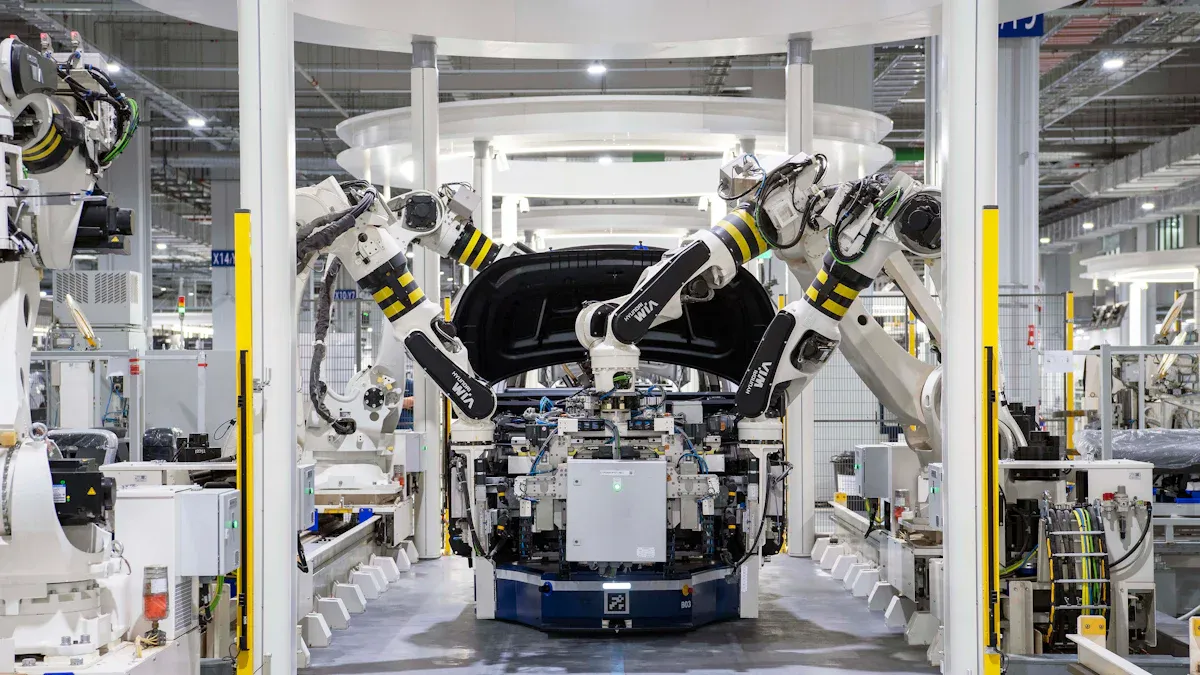
Nitrogen gas is very important for making production better in many industries. Its special features help improve efficiency and safety. This is why many manufacturers choose it. Here are some main benefits of using nitrogen gas:
Decreased Risk of Spontaneous Combustion: Nitrogen is stable, which lowers fire risks in manufacturing. This safety helps you work without worry.
Non-reactivity: Nitrogen does not react easily. This stops unwanted chemical reactions. It keeps product quality high during manufacturing.
Low Utility Costs: Using nitrogen can save money in production. Its low cost makes it a good choice for manufacturers wanting to improve their work.
In metal fabrication, nitrogen gas creates a safe space for welding and cutting. It reduces oxidation, which can harm the final product. In electronics, nitrogen protects delicate parts during assembly. This prevents contamination and keeps things reliable.
Reducing Waste
Nitrogen gas also helps cut down on waste in manufacturing. By using resources wisely, you can save money and help the environment. Here are some ways nitrogen helps reduce waste:
Eliminating Reliance on External Suppliers: Making nitrogen on-site cuts costs for buying and delivery. This self-sufficiency makes your operations better.
Precise Control Over Nitrogen Consumption: You can use resources better, which reduces waste. This control helps you use resources wisely.
Reduced Production of Soldering Dross: Nitrogen generators can lower soldering dross by over 50 percent. This means less waste and better product quality, saving you time and money on cleaning.
Cost Savings from On-Site Generation: Making nitrogen on-site costs less than buying it from suppliers. This way, you avoid extra costs and can use resources better.
By using nitrogen gas in your manufacturing, you boost efficiency and support sustainability goals. The eco-friendly nature of nitrogen makes it a great choice for cleaner production.
Safety Benefits of Nitrogen
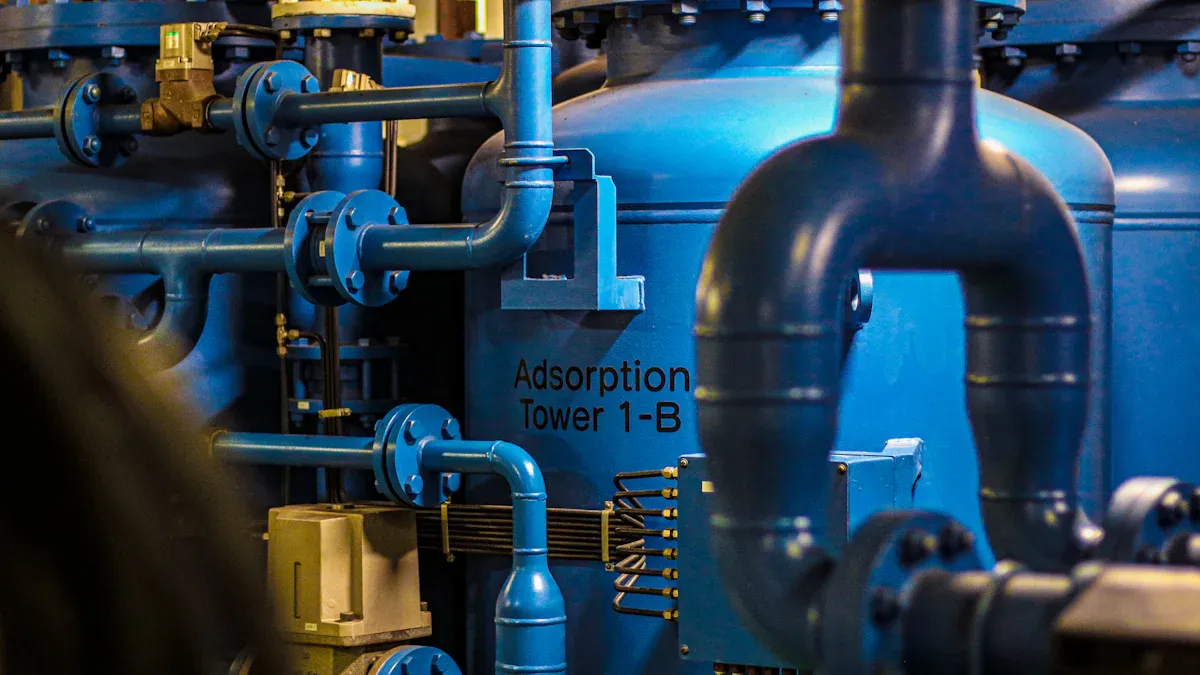
Nitrogen gas is very important for safety in manufacturing. Its special features make it a popular choice for many uses.
Non-Flammable Properties
One big benefit of nitrogen gas is that it does not catch fire. This makes it great for processes where fires could happen. Here are some important facts about nitrogen's safety:
Chemically Inert: Nitrogen stays stable in normal conditions. It does not react easily with other things, which stops unwanted chemical reactions.
Non-Flammable: Nitrogen does not ignite or help fires. This is important in places like oil refining. It keeps process vessels and pipelines safe from explosions caused by flammable gases.
Safety Regulations: Employers need to check nitrogen gas risks to see how much workers are exposed. OSHA requires clear signs in areas with high nitrogen levels. Monitoring the air is important in small spaces to keep the air safe to breathe.
Evidence Description | Explanation |
|---|---|
Nitrogen is chemically inert under normal conditions. | It does not easily react with other substances and does not support combustion. |
Nitrogen is a non-flammable, nor explosive, inert gas. | It does not ignite or support combustion under normal conditions. |
In oil refineries, nitrogen is used to inert process vessels and pipelines. | This prevents explosions caused by flammable gases by displacing oxygen. |
Chemical plants use nitrogen to protect reactors and storage tanks. | It creates an inert atmosphere, ensuring volatile chemicals do not come into contact with oxygen. |
Safe Storage Solutions
Storing nitrogen gas properly is very important for safety in manufacturing. Here are some best ways to store nitrogen safely:
Ventilation: Keep gas cylinders in cool, dry, and well-ventilated places, away from fire sources.
Temperature Control: Make sure the storage area is below 100 degrees Fahrenheit to stop pressure build-up.
Cylinder Management: Keep full and empty cylinders apart to avoid mix-ups. Sort gas containers by hazard type (flammable, oxidizers, toxic).
Personal Protective Equipment (PPE): Always wear the right PPE when handling cylinders to stay safe.
Regular Inspections: Check and maintain gas delivery systems often to find leaks quickly. Use a tracking system for gas cylinder inventory.
Certification/Standard | Description |
|---|---|
OSHA | Requires signs and safety measures in areas with possible oxygen shortage. |
NFPA | Gives rules for safe storage and handling of nitrogen, including ventilation needs. |
CGA | Provides safety standards and practices for the industry about gas storage. |
By following these tips, you can make your workplace safer when using nitrogen gas. Knowing its properties and using safe storage methods will help reduce risks and improve safety in your manufacturing processes.
What is Nitrogen Gas Used For in Industries?
Nitrogen gas is very important in many industries. It helps improve processes and keeps products high quality. Here are some main uses of nitrogen gas in different fields:
Applications in Food and Beverage
In the food industry, nitrogen gas helps keep food fresh and lasts longer. It is used in Modified Atmosphere Packaging (MAP). This method creates a low-oxygen space around food. By pushing out oxygen, nitrogen stops oxidation and spoilage. Here are some benefits of using nitrogen in food packaging:
Extended Shelf Life: Nitrogen slows down oxidation, keeping food fresh longer.
Quality Preservation: It helps keep the taste, smell, and texture of food.
Enhanced Safety: Nitrogen stops harmful germs from growing.
You can find nitrogen in packaging for many items, like snacks, fresh fruits, and meat. The FDA checks nitrogen use in food making to ensure safety.
Pharmaceutical and Chemical Uses
In the pharmaceutical field, nitrogen gas is key for keeping things sterile. It replaces dangerous air with a safe dry atmosphere. This protects medications that can be harmed by oxygen. Here are some specific uses of nitrogen in pharmaceuticals:
Inerting and Blanketing: Nitrogen lowers oxygen levels, stopping fires and keeping product quality.
Sterility Maintenance: It creates clean spaces for making drugs, keeping raw materials effective.
Safety in Chemical Processes: Nitrogen helps protect sensitive compounds, ensuring good product quality.
In chemical making, nitrogen gas also protects products. It stops oxidation and makes things safer by creating a stable environment. This stability is very important for making high-quality chemical products.
Overall, nitrogen gas is a useful solution that improves efficiency and safety in many industries. Knowing what nitrogen gas is used for can help you make smart choices about its use in your work.
In conclusion, nitrogen gas is very important in modern manufacturing. It helps make production better and cuts down on waste. Its non-flammable nature keeps things safe in many processes. You can see nitrogen gas used in food packaging, electronics, and medicine, where it helps create new ideas.
Here are some main points to remember:
More people need nitrogen gas for food safety and freshness.
The electronics and semiconductor industries use nitrogen to stop oxidation.
Companies are working on being more eco-friendly and lowering emissions.
By looking into nitrogen solutions, you can make your manufacturing better and help create a safer, more efficient future. 🌱
FAQ
What is nitrogen gas used for in manufacturing?
Nitrogen gas makes manufacturing better and safer. You can use it for welding, food packaging, and making medicines. It stops oxidation and keeps products high quality.
Is nitrogen gas safe to use?
Yes, nitrogen gas is safe. It does not catch fire and does not react easily. This means it lowers fire risks in manufacturing.
How does nitrogen help in food preservation?
Nitrogen helps food last longer by pushing out oxygen in packaging. This slows down oxidation and spoilage, keeping food fresh and safe for a longer time.
Can nitrogen gas reduce production costs?
Yes! Making nitrogen on-site saves money on buying and delivery. This self-sufficiency helps you manage resources better and save cash.
What industries benefit from nitrogen gas?
Many industries use nitrogen gas, like food and drinks, medicines, electronics, and chemical manufacturing. Each field uses nitrogen to improve safety, efficiency, and product quality.