Soft Close Hinges vs. Traditional Hinges: Which is Right for Your Home?

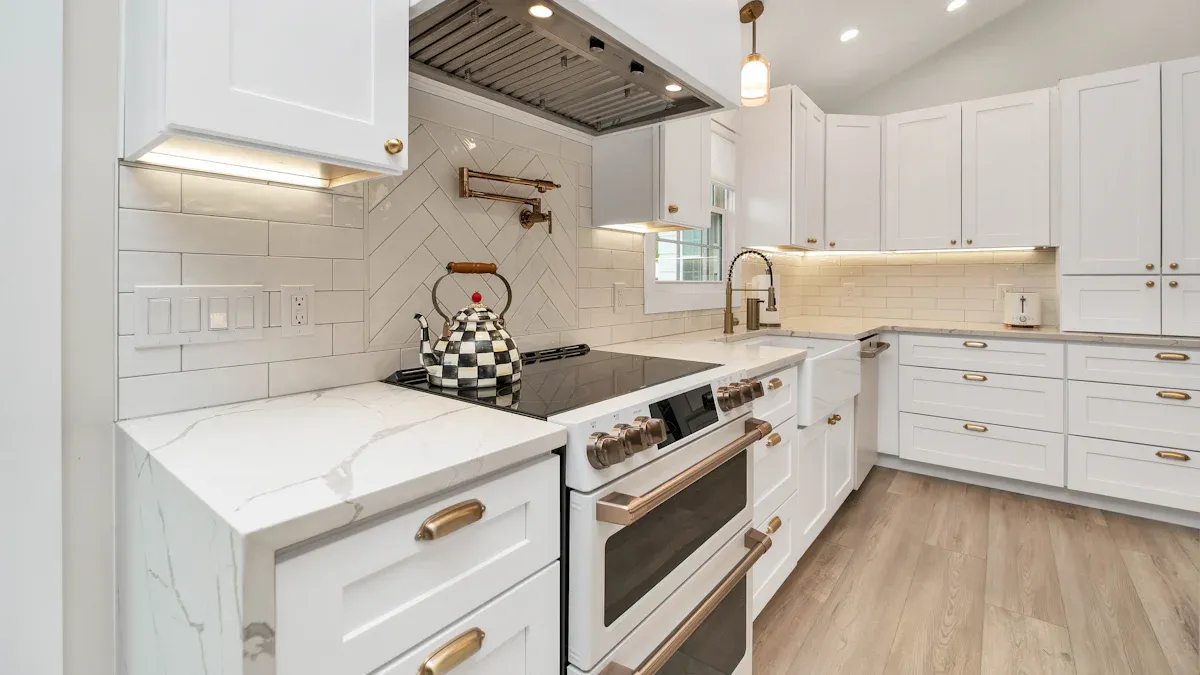
Have you ever slammed a door and heard a loud bang? It’s a common problem in many homes. Recently, more than 60% of new fancy houses have picked soft close hinges. These hinges let doors close smoothly and quietly. This can change how your home feels. If you are fixing up your home or building a new one, knowing the differences between soft close hinges and regular hinges will help you choose the best option for your home.
Key Takeaways
Soft close hinges close quietly and smoothly. They lower noise and stop damage to doors and frames.
These hinges are safer because they reduce the chance of finger pinching. This makes them perfect for homes with kids and pets.
Traditional hinges are cheaper. They usually cost less than soft close hinges, so they are good for homeowners on a budget.
Think about what your home needs when picking hinges. Soft close hinges are good for busy areas. Traditional hinges work well for entry doors.
You can install soft close hinges yourself, but getting a pro helps with alignment and function.
Functionality of Hinges
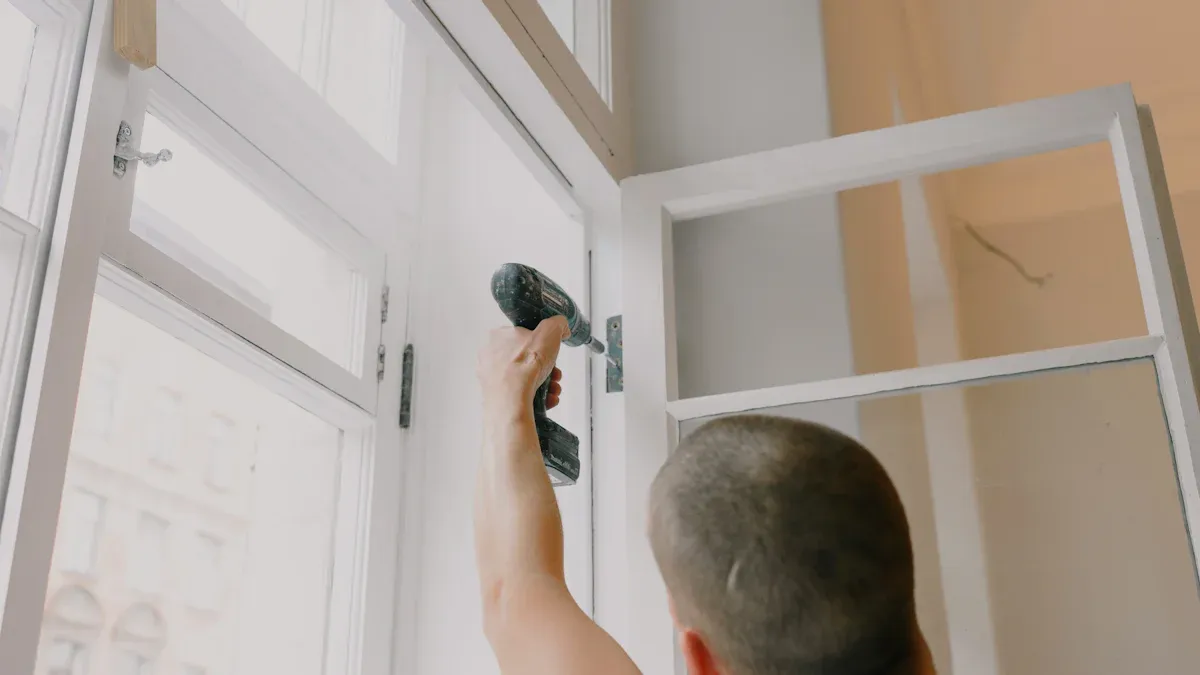
Soft Close Hinge Mechanism
Soft close hinges help doors close smoothly and quietly. They use a special hydraulic system to control how fast the door closes. Even if you push the door hard, it slows down before it shuts completely. This feature makes less noise and helps prevent damage to the door and nearby areas.
Here’s how it works in real life:
When you open the door, the hydraulic system starts working.
As the door gets close to the frame, it slows down.
The door then shuts softly, avoiding loud bangs.
This better function makes soft close hinges great for both home and industrial doors, where quiet is important.
Traditional Hinge Mechanism
Traditional hinges work in a simpler way. They have two plates that connect the door to the frame, letting the door swing open and shut. Unlike soft close hinges, traditional ones do not have a damping system. They depend on gravity and the force you use when opening or closing the door.
Here’s how traditional hinges work:
When you push the door, it swings open easily.
When you let go, the door closes by itself because of gravity or the push.
However, this can cause the door to slam, which might create noise or damage over time.
While traditional hinges are simple and cheap, they do not reduce noise like soft close hinges. They work well for many uses, including heavy industrial doors, where a strong and simple design is needed.
Feature | Soft-Close Hinges | Traditional Hinges |
|---|---|---|
Mechanism | Built-in hydraulic shock absorber slows closure | Simple pivot mechanism without damping |
Function | Controls speed of closure to prevent noise and impact | Relies on gravity and force for closure |
Noise Level | Designed to be quiet during closure | May produce noise during closure |
Installation | Requires precise alignment for hydraulic function | Easier installation, less precision needed |
Soft Close Hinges Benefits
Noise Reduction
One great benefit of soft close hinges is that they cut down on noise. Imagine living in a home where doors close quietly. This creates a calm feeling. With soft close hinges, you can make that happen! These hinges have a hydraulic system that slows the door as it gets close to the frame. So, there are no more loud bangs or slams that can disturb your peace.
Tip: If you want a quiet home, think about using soft close hinges. They improve the atmosphere and help prevent damage from slamming doors.
Child and Pet Safety
Soft close hinges are also very good for child and pet safety. These hinges lower the chance of finger pinching. This is very important for homes with kids, pets, or older family members. The gentle closing of soft close hinges means little fingers and curious pets are less likely to get caught in the door.
Here are some important points about safety benefits:
Preventing Accidents: The slow closing helps stop accidents that can happen with traditional hinges.
Peace of Mind: You can feel relaxed knowing your loved ones are safer around doors.
Pet-Proofing the Home: Soft close hinges are a smart choice for pet owners. They help keep pets safe from sudden door movements.
By choosing soft close hinges, you make your doors work better and create a safer space for everyone in your home.
Traditional Hinges Benefits
Cost-Effectiveness
Traditional hinges are great for saving money. They usually cost between $3 and $10 each. This makes them a smart choice if you want to stick to a budget. On the other hand, soft-close hinges can cost from $20 to $50 each. While soft-close hinges have special features, traditional hinges are a dependable and cheap option for many doors.
Tip: If you have a big project, using traditional hinges can save you a lot of money!
Another good thing about traditional hinges is that they need less upkeep over time. Soft-close hinges might help reduce wear, but they can be more expensive to fix if they break. Traditional hinges are simple and strong, making them a good choice for many uses.
Classic Look
Traditional hinges also add a classic style to your home. Their designs, like ball-tipped or Victorian styles, act as decorations that improve the overall look. These hinges add real period details, making them great for classic or vintage homes. They go well with both old and modern furniture, creating a nice and elegant look.
Imagine entering a room where the doors work well and also add to the vintage charm. Traditional hinges can help you get that look easily. Their detailed designs and history make them more than just hardware; they become part of your home’s character.
Cost Comparison
Soft Close Hinges Pricing
Soft close hinges come in different prices based on the brand and features. For instance, Aristokraft hinges usually cost between $3 and $7 each. They are a good mix of quality and price. On the higher side, brands like Blum and Grass can charge $20 to $50 for their advanced soft-close options. These top hinges often use better materials and have extra features that improve how they work.
Here’s a quick look at some popular brands and their price ranges:
Brand | Price Range (per hinge) | Material | Features |
|---|---|---|---|
Aristokraft | $3 - $7 | Steel, some alloys | Standard, soft-close options |
Competitor A | $2 - $5 | Steel | Basic |
Competitor B | $5 - $12 | Stainless Steel | Soft-close, adjustable |
Traditional Hinges Pricing
Traditional hinges are usually cheaper. You can find them for about $3 to $10 each. Their simple design and strength make them a favorite for many homeowners. Here’s a breakdown of average prices for different finishes of traditional hinges:
Finish | Price |
|---|---|
Unlacquered Brass | $615 |
Polished Brass with Clear Coat | $625 |
Satin Nickel | $640 |
Antique Bronze | $750 |
While traditional hinges cost less at first, think about their long-term value. Soft close hinges might need more care because of their hydraulic parts, which can wear out. However, they often last longer in busy areas since they reduce damage to doors.
On the other hand, traditional hinges are easier to fix or change, making them a smart choice for many situations. In the end, your choice should consider both the starting price and the possible long-term savings based on how long they last and how much care they need.
Installation Process
Installing Soft Close Hinges
Installing soft close hinges can seem tricky, but you can do it yourself with the right tools and steps. Here’s how:
Measure Old Hinges: Use a tape measure to get the dimensions of your existing hinges.
Order New Hinges: Find soft close hinges that match your measurements.
Remove Old Hinges: Unscrew the old hinges and support the door to prevent it from falling.
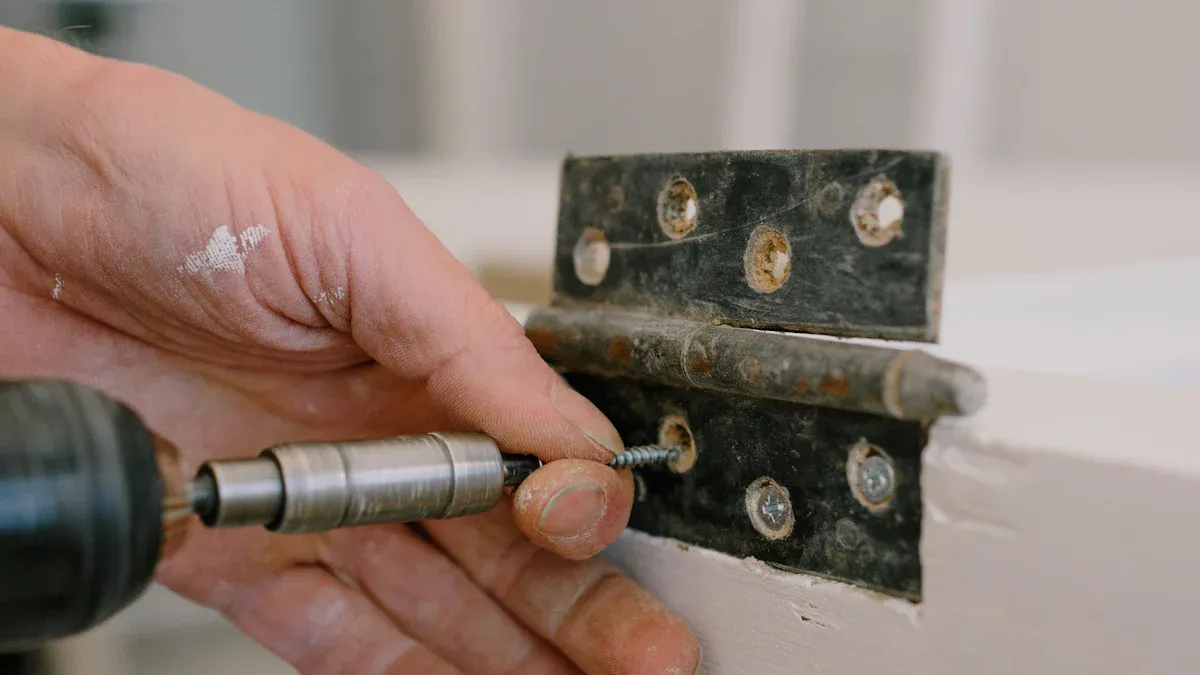
Install New Hinges: Attach the new hinges using screws. Make sure they fit snugly.
Adjust Hinges: Use a screwdriver to adjust the hinges for proper alignment.
Tip: You’ll need a few tools for this job, like a #2 Phillips bit, wood screws, and a drill bit for pre-drilling holes to avoid cracking the wood.
Installing Traditional Hinges
Installing traditional hinges is generally simpler. Here’s a quick guide:
Position the Hinge: Place the hinge on the door where you want it.
Mark Screw Holes: Mark where the screws will go.
Screw the Hinge: Secure the hinge into place with screws.
Adjust as Needed: Tighten the hinge and make any necessary adjustments.
Installation Steps | |
|---|---|
Traditional Hinge | 1. Position the hinge on the door. |
Soft-Close Hinge | 1. Remove the old hinge. |
When it comes to installation, you have options. If you’re handy, you can tackle this as a DIY project. However, if you prefer a professional touch, hiring someone can save you time and ensure everything is perfectly aligned. For soft close hinges, professional installation can cost between $300 to $800 for about 20 hinges, depending on your location and the complexity of the job.
Choosing between DIY and professional installation often depends on your comfort level with tools and your budget. Either way, both hinge types can enhance your doors, providing durability and functionality.
Suitability for Home Needs
Best Uses for Soft Close Hinges
Soft close hinges are great in places where safety and quiet are very important. Here are some good spots for these hinges:
Kitchens and Bathrooms: These rooms often have a lot of activity, especially in homes with kids or older people. Soft close hinges help stop accidents by lowering the chance of pinched fingers. You can relax knowing that little kids and pets are safe around closing doors.
Busy Households: If your home is full of life, soft close hinges can make it quieter. They stop doors from slamming, which is helpful when you are doing many things at once.
High-Use Areas: In places where doors are used a lot, like laundry rooms or playrooms, these hinges help keep the doors in good shape. Their slow closing helps reduce wear and tear over time.
Best Uses for Traditional Hinges
Traditional hinges also work well in your home. Here’s where they do best:
Entry Doors: Their strength makes traditional hinges great for heavy entry doors. They can handle daily use without breaking down.
Aesthetic Appeal: If you want to improve your home’s look, traditional hinges come in many finishes that match your style. They add a classic feel that works with both modern and vintage designs.
Cost-Effective Solutions: For homeowners on a budget, traditional hinges are a smart and affordable choice. They are easy to install and take care of, making them practical for many uses.
Hinge Type | Advantages | Disadvantages | Practicality Recommendations |
|---|---|---|---|
Soft Close Hinges | Safety, noise reduction, longevity | Higher initial cost, may require adjustments | |
Traditional Hinges | Durability, aesthetic appeal, cost-effectiveness | May not reduce noise, less advanced features | Great for entry doors and budget-friendly options |
Choosing the right hinge type depends on what you need and like. Think about the space and how often doors will be used. This way, you can make a smart choice that adds value and usefulness to your home.
Picking between soft close hinges and traditional hinges depends on what you need. Soft close hinges help reduce noise and protect doors, which can make your home more valuable. Traditional hinges are cheaper and strong, so they are a good choice.
Tip: Think about future trends in hinge technology, like smart features and designs you can change, as they might affect your choice. The market for soft close hinges is growing fast, with demand going up by over 30% recently. No matter what you pick, make sure it fits your lifestyle and improves your space!
FAQ
What are soft close hinges?
Soft close hinges use a special system to control how doors close. They slow down the door as it gets close to the frame. This stops slamming and makes less noise.
How do traditional hinges differ from soft close hinges?
Traditional hinges use gravity and force to close. They do not have the damping feature that soft close hinges have. This means they can slam shut and make noise.
Can I install soft close hinges myself?
Yes, you can put in soft close hinges by yourself with simple tools. Just follow the instructions from the maker for correct alignment and adjustments.
Are soft close hinges more durable than traditional hinges?
Soft close hinges usually last longer because of their design, which helps reduce wear. However, they might need more care if the hydraulic parts break.
Where should I use soft close hinges?
Soft close hinges are great for inside doors, especially in busy areas. They improve safety and comfort in places where quiet is very important.