Top Eco-Friendly Materials for Green Printmaking

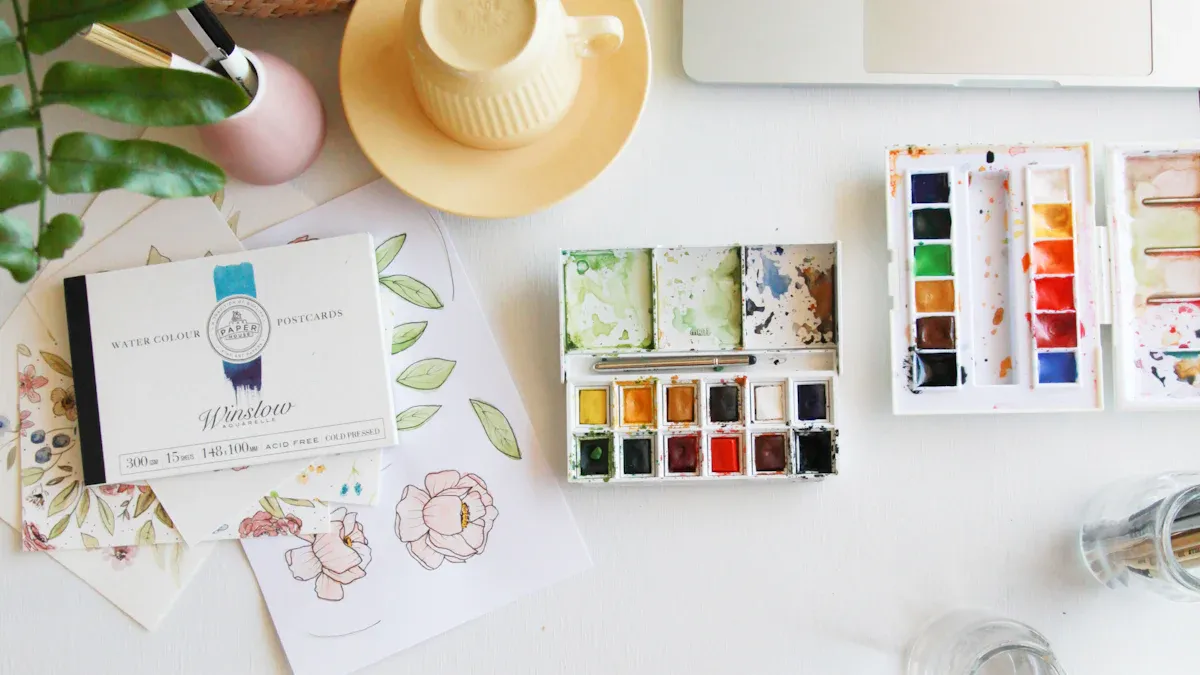
Sustainability in art is very important now. Artists like you are more interested in eco-friendly materials. These materials help reduce harm to the environment. Green printmaking lets you make beautiful art and help the planet. When you choose sustainable options, you improve your skills and protect our environment.
Key Takeaways
Pick eco-friendly inks. Use water-based and soy-based inks. They help reduce harmful emissions. They also create bright art.
Choose sustainable papers. Use recycled, handmade, or tree-free types. This helps save forests and cut down waste.
Use eco-friendly tools. Bamboo brayers and non-toxic cleaners are great choices. They improve your printmaking and protect the environment.
Eco-Friendly Inks
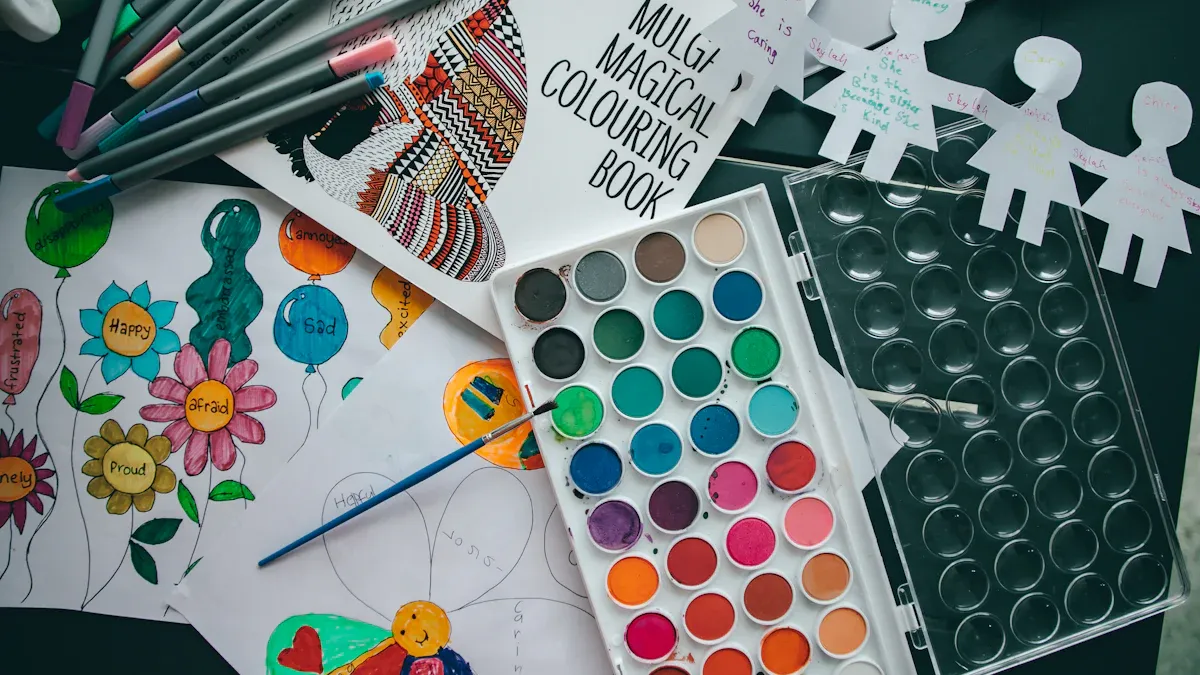
When you print, the ink you choose is very important. It affects how your art looks and how it impacts the environment. By using eco-friendly inks, you can make beautiful art and help the planet. Let’s look at some of the best choices.
Water-Based Inks
Water-based inks are great for artists who want to help the environment. These inks use water as the main ingredient. This means they release much less volatile organic compounds (VOCs) than regular inks. Here are some good things about water-based inks:
Non-toxic formulation: You can feel safe knowing these inks are non-toxic. They lower health risks for you and others.
Reduced VOC emissions: Choosing water-based inks helps improve air quality and cut down pollution.
Minimal hazardous waste: These inks create less hazardous waste, making them easier to throw away in a safe way.
Biodegradable: Many water-based inks break down naturally, which helps with eco-friendly waste management.
Also, new technology has made their colors brighter and longer-lasting. You’ll see that water-based inks give vibrant finishes and feel soft, especially on fabrics.
Soy-Based Inks
Soy-based inks are another great choice for eco-friendly artists. They are mostly made from soybean oil. This makes them a better option than petroleum-based inks. Here’s why you should think about using soy-based inks:
Lower VOC emissions: Soy-based inks release less than 5% VOCs, which helps cut air pollution.
Vibrant colors: They create sharper and brighter colors than regular inks, making your prints look better.
Versatility: You can use soy-based inks on many surfaces, so they work for different printmaking methods.
To make soy-based inks, they take oil from soybeans and mix it with pigments, resins, and waxes. This process helps reduce the use of fossil fuels and makes the inks more biodegradable. So, when you pick soy-based inks, you help both your art and the environment.
Natural Dyes
Natural dyes give a special and eco-friendly way to color your prints. They come from plants, fruits, and other natural materials. These dyes are not only good for the environment but also offer a wide range of colors. Common sources for natural dyes include:
Leaves
Flowers
Berries
Bark
Using natural dyes can be a fun experience. They are usually safer for you and the planet than synthetic dyes. For example, natural dyes break down naturally, which helps prevent water pollution. They also need less energy to make, making them a better choice.
When you compare natural dyes to synthetic ones, you’ll see that natural dyes are less likely to cause allergies and breathing problems. They create a healthier workspace, letting you focus on your art without worrying about harmful chemicals.
Sustainable Papers

The paper you pick is very important for printmaking. Choosing eco-friendly papers helps the environment and makes your art better. Let’s look at some of the best choices.
Recycled Paper
Recycled paper is a great option for artists who want to help. It comes from waste that people have already used. This means you are giving materials a new life. Here are some good things about using recycled paper:
Energy Conservation: Making recycled paper uses 40-50% less energy than making new paper. This helps lower greenhouse gas emissions.
Forest Preservation: Choosing recycled paper helps save forests. This means fewer new trees need to be cut down, which protects wildlife homes.
Waste Reduction: One ton of 100% post-consumer waste paper stops seven cubic meters of waste from going to landfills. This choice helps reduce landfill waste and supports a circular economy.
Modern recycled paper is almost as good as regular paper. In fact, it often has better opacity, which can make your prints look nicer. You’ll see that it works well for many printmaking methods, making it a flexible choice.
Handmade Paper
Handmade paper is a special and eco-friendly choice for your printmaking. This paper is made from natural fibers like cotton and hemp, which are often recycled. Here’s why you should think about using handmade paper:
Durability and Texture: Handmade mulberry paper is very strong and has a nice texture. It can handle the moisture and heat of the EcoPrinting process without ripping.
Environmental Impact: Making handmade paper uses at least 50% less energy than machine-made paper. It also needs 75% less water and creates up to 90% less wastewater. This greatly helps the environment.
Using handmade paper supports eco-friendly practices and improves the look of your prints. Its ability to hold botanical dyes well adds a unique touch to your artwork.
Tree-Free Paper
Tree-free paper is another smart choice that helps with sustainability in printmaking. It is made from materials like bamboo and cotton linters. This paper reduces the need for trees and helps fight deforestation. Here’s what you should know:
Material | Percentage | Sustainability Aspect |
|---|---|---|
Bamboo | 75% | Grows fast, captures more CO2, prevents soil erosion, reduces need for new cellulose |
Cotton Linters | 25% | Certified pre-consumer, helps with recycling and biodegradability |
Bamboo is the fastest-growing plant, making it a renewable resource. It captures four times more CO2 than regular forestry, helping to lower carbon footprints. While tree-free paper might cost more to make, its benefits for the environment are very important.
Eco-Friendly Tools
The tools you use for printmaking can really matter. Choosing eco-friendly tools helps your art and the planet. Let’s look at some sustainable options that can improve your printmaking.
Bamboo Brayers
Bamboo brayers are a great choice for artists who care about the environment. Bamboo grows really fast—up to three feet each day! You can cut it down in just 3-5 years, making it a renewable resource. Here’s why bamboo brayers are special:
Durability: Bamboo is as strong as steel, so your brayer lasts longer.
Environmental Impact: Bamboo grows quickly, which means less pressure on forests compared to regular wood.
Recycled Printmaking Plates
Using recycled printmaking plates is another smart way to cut down on waste. These plates help lessen the impact of your art on the environment. Here are some benefits:
Benefit | Description |
|---|---|
Waste Reduction | Printing services recycle thousands of pounds of metal plates each year, which greatly reduces waste. |
You can also make gelatin plates from food and medical materials, which helps the planet while letting you be creative.
Non-Toxic Cleaners
Cleaning your tools is important, but you don’t need harsh chemicals. Non-toxic cleaners work well and are safe for you. Here’s what you should know:
Cleaner Type | Description | Effectiveness |
|---|---|---|
Vegetable Cleaning Agents (VCA) | Made from vegetable oil and alcohol, these cleaners are safe to breathe and work well on different printmaking materials. | They clean without harming your tools. |
Using non-toxic ingredients keeps your workspace healthier. You avoid harmful chemicals that can cause breathing problems, making it safer for your art.
By picking these eco-friendly tools, you improve your printmaking and help create a better future.
New Sustainable Substrates
Using new materials can really help green printmaking. Let’s look at some cool options that let you make art and care for the planet.
Rigid Paper Board
Rigid paper board is a great choice for artists who want to cut down on waste. This material can be recycled and composted completely. It usually has about 10% recycled content from FSC-certified sources. By picking rigid paper board, you help support recycling and keep our forests healthy.
Foamless Foamcore
Foamless foamcore is another good eco-friendly choice. Like rigid paper board, it can also be recycled and composted. This material is FSC certified, which means it comes from forests that are managed well. Using foamless foamcore lets you make strong prints without hurting the environment.
Biodegradable Plastics
Biodegradable plastics are becoming more popular in printmaking. They can break down into safe materials, making them better than regular plastics. But remember, how fast they break down can depend on different things. Here are some important points to think about:
Biodegradable plastics can decompose in the right conditions, but they might take longer in other places.
Some biodegradable plastics may not be as safe as you think. They can still harm wildlife if they don’t break down all the way.
Making these plastics can compete with food production, so it’s important to choose carefully.
By using these sustainable materials in your printmaking, you can make beautiful art while helping the environment.
Finding Eco-Friendly Materials
Looking for eco-friendly materials for your printmaking can be fun and simple! Here are some tips to help you find sustainable supplies.
Local Stores
Start by checking out local art supply stores. Many of these shops have eco-friendly options. You can ask the workers about their sustainable products. They usually have good suggestions. Plus, shopping locally helps your community and cuts down on shipping waste.
Online Options
If you like shopping online, there are many reliable suppliers with sustainable printmaking materials. Look at this table for some great choices:
Supplier Name | Description | Link |
|---|---|---|
Has a wide range of printmaking supplies and great customer service. | ||
Dick Blick | Known for a large selection of printmaking supplies and often offers free shipping. |
You can also check websites like INTAGIOPRINTMAKER.COM and T.N.LAWRENCE for special equipment and materials.
Community Workshops
Community workshops are great for learning about eco-friendly practices. They provide a place for artists to work together and share green techniques. In these workshops, you can learn safer methods that support sustainability in printmaking. This hands-on experience helps you improve your skills and encourages awareness of the environment. By joining in, you become a supporter of environmental ethics in your art.
By finding materials from local stores, trusted online options, and joining community workshops, you can help the environment while enjoying your printmaking journey.
Choosing eco-friendly materials for printmaking is very important for your art and the Earth. By trying out sustainable inks, papers, and tools, you can make beautiful art while helping the environment.
Here’s a quick look at the benefits of going green:
Description | |
|---|---|
Reduced Carbon Footprint | Using sustainable inks helps lower carbon emissions from printing. |
Lower Emissions of VOCs | Eco-friendly inks give off fewer harmful chemicals during making and drying. |
Decreased Reliance on Hazardous Materials | Sustainable inks remove the need for dangerous chemicals, making your workspace safer. |
Energy Efficiency | Sustainable inks need less energy to dry than regular inks. |
Cost Savings | You can save money on waste disposal and cleaning supplies. |
Your choices can encourage others in the art community to go green. Let’s make a positive change together! 🌍✨
FAQ
What are eco-friendly inks?
Eco-friendly inks come from natural and safe materials. They lower harmful emissions and are better for you and the planet.
How can I find sustainable papers?
You can get sustainable papers at local art supply shops or online. Search for recycled, handmade, or tree-free choices.
Why should I use eco-friendly tools?
Using eco-friendly tools helps cut down on waste and pollution. They also make your workspace healthier for creating art. 🌱